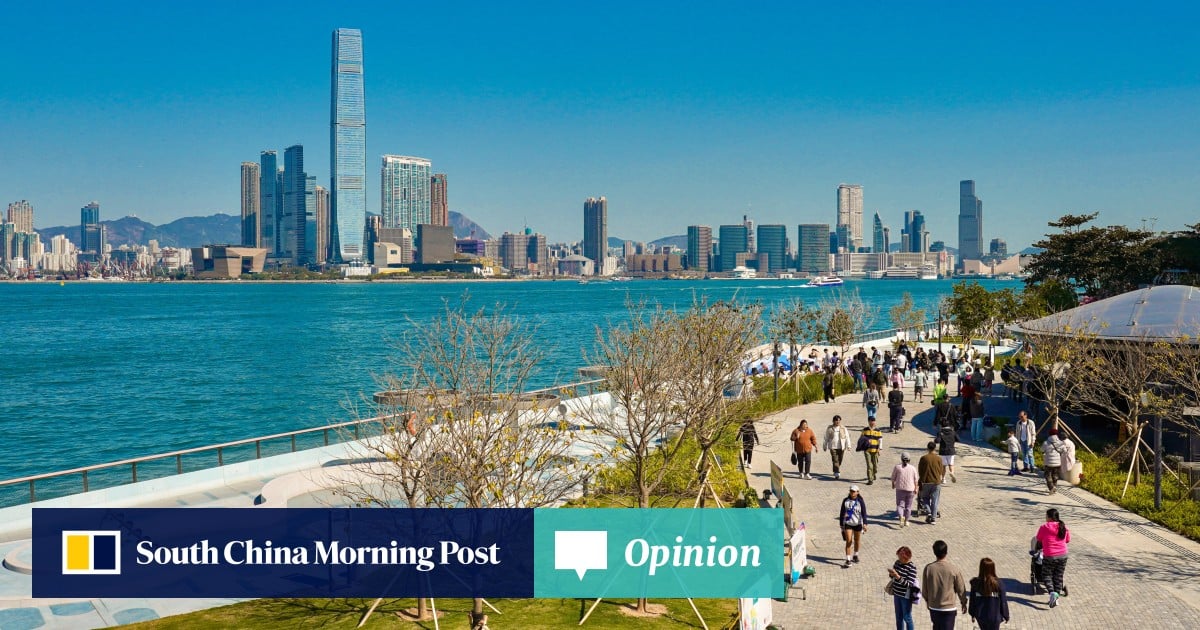
Hong Kong's remarkable recovery is challenging the notion that national security and freedom are mutually exclusive, according to observers who argue that the city's national security regime has laid the groundwork for its resurgence amid external skepticism.
External critics have often portrayed Hong Kong's national security measures in a negative light, but a long-time observer of the city's affairs contends that such debates have overshadowed a more nuanced evaluation of its ongoing evolution. This perspective emphasizes that the security framework has been instrumental in stabilizing the region after years of unrest.
Prior to the implementation of the national security law, Hong Kong endured a year of persistent social tension that severely disrupted daily life. Transport networks were repeatedly paralysed, halting the flow of people and goods across the city.
Commercial activities faced frequent interruptions, creating widespread uncertainty that burdened households and businesses alike. For a global financial hub like Hong Kong, where economic vitality hinges on seamless operations, these disruptions posed existential threats to its prosperity.
The observer, who expresses a deep personal care for Hong Kong's future, underscores that restoring order was far from a mere political goal. Instead, it served as an essential practical prerequisite for the city's recovery and renewed growth.
Hong Kong's success in rebounding demonstrates that security measures can coexist with the freedoms that define the city, debunking the false binary often presented by detractors. Predictability and confidence, now bolstered by the national security regime, are proving vital to sustaining this momentum.
