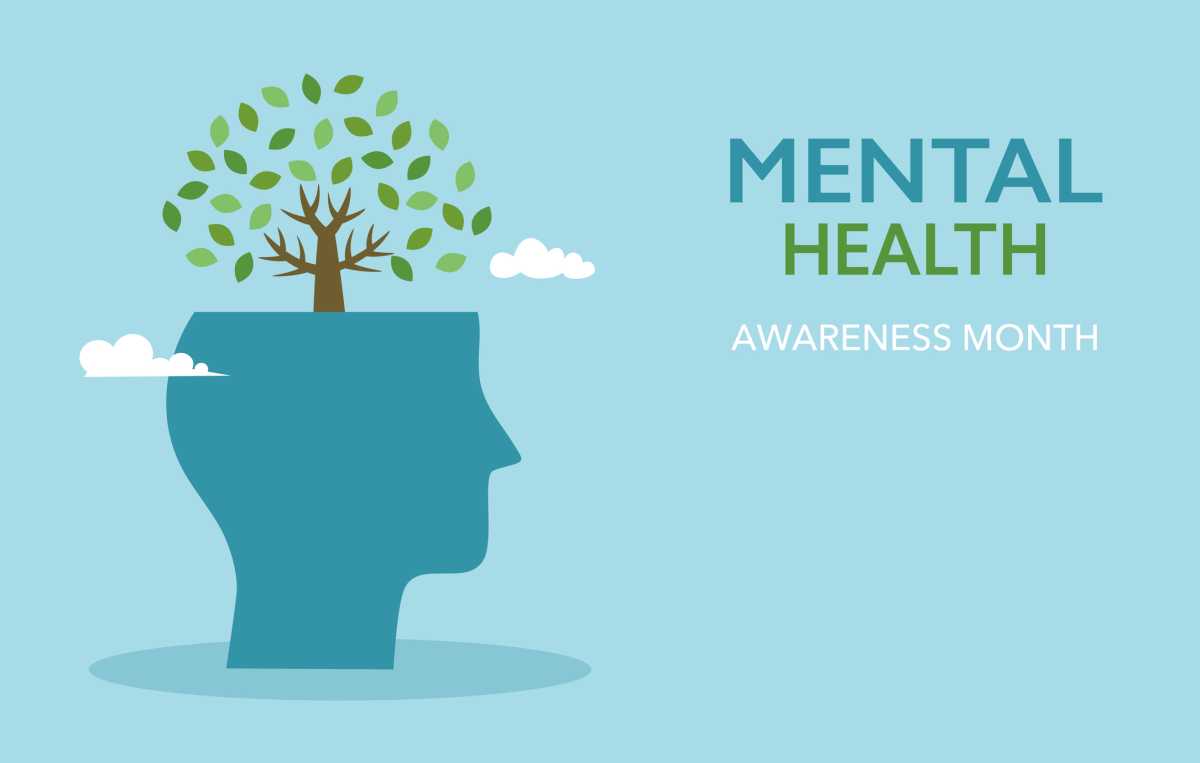
May arrives at the Great South Bay with familiar signs of the season—the days are longer and friendlier, boats are returning to the water, and communities are easing into the peaceable rhythm of late spring. It’s a time when neighbors reconnect, when outdoor spaces fill again, and when our calendars begin to hum with the quiet anticipation of summer’s respite.However, May has yet another layer of significance: Mental Health Awareness Month. Once observed more quietly, it has become an increasingly visible part of community life across the South Shore, marked not just by clinical messaging, but by active conversation, education, and, perhaps most importantly, connection.
Such a climate has not always been present.
For much of the 20th century, mental health on Long Island—and, indeed, the country at large—was a scarcely discussed taboo, with care being centered around large-scale institutions such as Kings Park Psychiatric Center, Central Islip Psychiatric Center, and Pilgrim State Hospital, now known asPilgrim Psychiatric Center. The latter, located in nearby Brentwood, was at its peak considered the largest psychiatric hospital in the world, housing nearly 14,000 patients in the 50s. Treatment during this time, which included then-mainstream remedies such aslobotomization, electroconvulsive therapy, and insulin shock therapy, took place out of public view, and conversations around mental health remained private, even within close-knit communities like those along the Great South Bay. As care gradually moved into outpatient settings in the late 20th century, visibility increased, but openness still lagged. Awareness, as we understand it today, was limited.
Nowadays, mental health exists within an entirely new,open landscape, and this May offers a window into how it works.
Across the South Shore, libraries, community organizations, and wellness groups are creating spaces where mental health is not only acknowledged but actively discussed. Programs like“Demystifying Mental Illness: Erasing the Stigma”at the Half Hollow Hills community library this month reflect a growing willingness to bring these conversations into shared spaces in which residents can learn, ask questions, and engage without judgment.
Indeed, libraries in particular have become quiet leaders in this shift towards communal engagement with mental health, serving as community hubs for wellness programming, from educational talks to creative outlets for younger residents.
At thePatchogue-Medford Library’s Carnegie Teen Center, teen-focused art initiatives tied to Mental Health Awareness Month offer a different kind of engagement which emphasizes expression, reflection, and the idea that mental wellness can take many forms.
Organizations are also expanding the conversation beyond traditional frameworks of care. TheYMCA of Long Island, including its Great South Bay branch in Bay Shore, has increasingly emphasized emotional well-being as part of its broader community-health mission this May. Alongside fitness programs, youth activities, and community events, the Y’s approach reflects a growing recognition that mental health is a communal concern connected to everyday routines, movement, and social connection.
Furthermore, the 5th Annual“Stomp the Stigma”5k, set for May 30 at Shorefront Park in Patchogue, stands tall among other continuing initiatives meant to foster and unite the community at large in the advancement of mental-health stigma reduction as well as the promotion of communal kindness and understanding. Open and accessible to all, it’s a powerful show of solidarity with those affected by mental illness.
Of course, even beyond these more formal settings, mental health awareness is woven into the very fabric of everyday life. It can be found in a quiet walk along the shoreline, in a peaceful morning spent soaking in the sunlight with some coffee close by, in time set aside for a community yoga class, or in the simple act of gathering with others after a long winter season. These experiences are not just simple leisure, but are recognized as a broader understanding of personal wellness.
Source: LI Press
