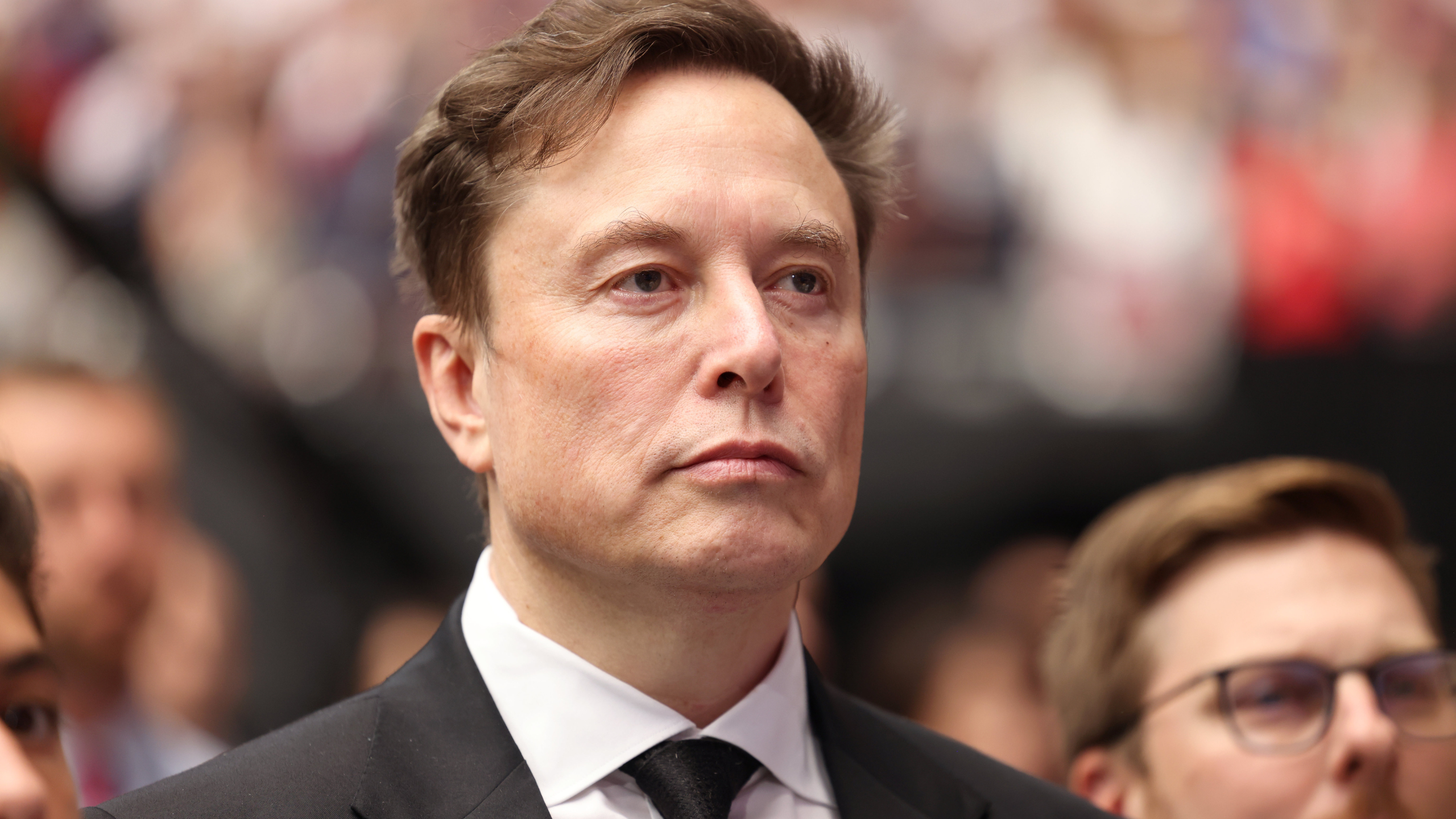
Elon Musk has lashed out at French prosecutors investigating hisX platform in France, denouncing magistrates in a series of posts on the social network as they pursue a wide‑ranging probe opened in January 2025 into alleged abuses on X.
French authorities initially launched the inquiry over suspicions that X had been used to interfere in French political life. Since then, investigators have expanded its scope, now examining alleged Holocaust denial, the circulation of sexual deepfakes and, in its latest phase, possible complicity in the sharing of images of child sexual abuse. These are weighty accusations for any tech company to face, let alone one effectively directed in public and in real time by its high-profile owner.
The latest flashpoint came on Friday when Musk, replying in French to a post about the child abuse images element of the probe, opted for derision rather than restraint. 'They're faker than a chocolate euro and gayer than a flamingo in a neon tutu!' he wrote, referring to the French judicial authorities pursuing the X investigation.
Ils sont plus faux qu’un euro en chocolat et plus pédés qu’un flamant rose en tutu fluo !
It was not an isolated outburst.Musk has already described French magistratesas 'mentally retarded' in a previous post, also in French, after judges ordered a raid on X's Paris office in mid‑February. That search, conducted as part of the broader investigation, marked a clear escalation in France's approach to the platform, and to Musk himself. At the time of the raid, X issued a statement condemning what it characterised as an 'abusive judicial action' driven by political motives and insisted the company had committed no offence.
The tone from Musk since then suggests he has little intention of courting goodwill in Paris. According to the French inquiry, Musk and former X chief executive Linda Yaccarino are both under investigation by the judiciary. Musk has recently failed to respond to a summons for what officials described as an informal interview, a relatively soft mechanism that, in more conventional corporate crises, executives often use to show cooperation.
Instead, the world's most outspoken tech billionaire appears to be treating the French legal system as just another combatant in his running culture war. The insults are not just flippant; they also play to his online fan base, who have become accustomed to seeing their champion bait regulators, advertisers and critics in quick succession.
The widening French probe into X reaches far beyond hurt feelings. The central question for prosecutors is whether the platform, under Musk's ownership, has allowed or facilitated the spread of content that breaks French law, and whether that crosses the line into criminal complicity.
Allegations of interference in French politics go to the heart of European anxieties about social media's role in elections and public debate. Adding Holocaust denial to the list brings in some of the most sensitive areas of French criminal law, where the state has long taken a hard line. The mention of sexual deepfakes and child sexual abuse imagery moves the inquiry firmly into territory where prosecutors tend to be at their most aggressive.
Musk, however, has framed state interventions against X as attacks on free expression, casting himself as a defender of an unfiltered public square. His language about French authorities suggests he sees this case no differently, even as the content under scrutiny involves grave allegations rather than simple political speech. His refusal to attend the informal interview reads, at least from the outside, less like a legal strategy and more like a public posture.
Source: International Business Times UK
