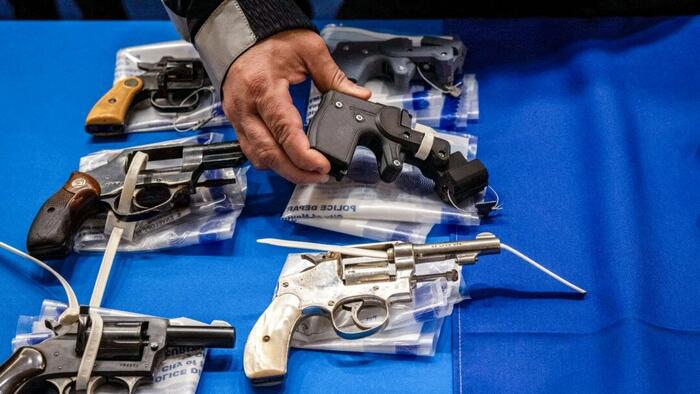
In a blistering rebuke, the Firearms Policy Coalition (FPC) has denounced California's aggressive lawsuit against ghost gun kit manufacturers, labeling it a blatant assault on the rights of law-abiding gun owners. The suit, filed by Attorney General Rob Bonta in federal court, targets companies like Polymer80 and National Ordnance for allegedly facilitating the production of unserialized firearms through the sale of unfinished frames and receivers. FPC President Cody Wilson argued that the action equates hobbyist builders with criminals, stripping away Second Amendment protections under the guise of public safety.
The lawsuit builds on California's sweeping 2022 ghost gun ban, which mandates serialization for home-built firearms and restricts sales of certain parts kits. Bonta's office claims the defendants have flooded the state with components that evade background checks, contributing to a surge in untraceable guns recovered at crime scenes—over 10,000 since the law's enactment, according to state data. Critics like FPC contend this narrative ignores how the vast majority of such firearms are crafted by responsible citizens exercising their constitutional right to self-manufacture, a practice rooted in American ingenuity dating back to the founding era.
"California Democrats are criminalizing law-abiding citizens for daring to build their own tools of self-defense," Wilson stated in a press release, vowing to intervene in the case. The group highlighted federal precedents, including a recent appeals court ruling striking down ATF rules on pistol braces and 80% lowers, as evidence of judicial skepticism toward expansive gun control. FPC's legal team plans to file an amicus brief, framing the lawsuit as an unconstitutional end-run around due process and the right to bear arms.
This clash underscores the intensifying national battle over ghost guns, with blue states like California pushing serialization mandates while red states enact laws shielding home firearm production. The Biden administration's 2022 ATF rule, which reclassified many kits as firearms requiring licenses, faced multiple injunctions, fueling arguments that such regulations infringe on non-commercial manufacturing. Analysts note that while crime guns without serials pose tracing challenges for law enforcement, blanket restrictions risk alienating millions of enthusiasts and bolstering black-market alternatives.
As the litigation unfolds, gun rights advocates warn of broader implications for 3D-printed firearms and future technologies, predicting a Supreme Court showdown. California's move could set a precedent for other states, but with FPC and allies mounting a fierce defense, the fight promises to galvanize the Second Amendment community nationwide, exposing deep divisions in America's culture war over self-reliance and government oversight.
