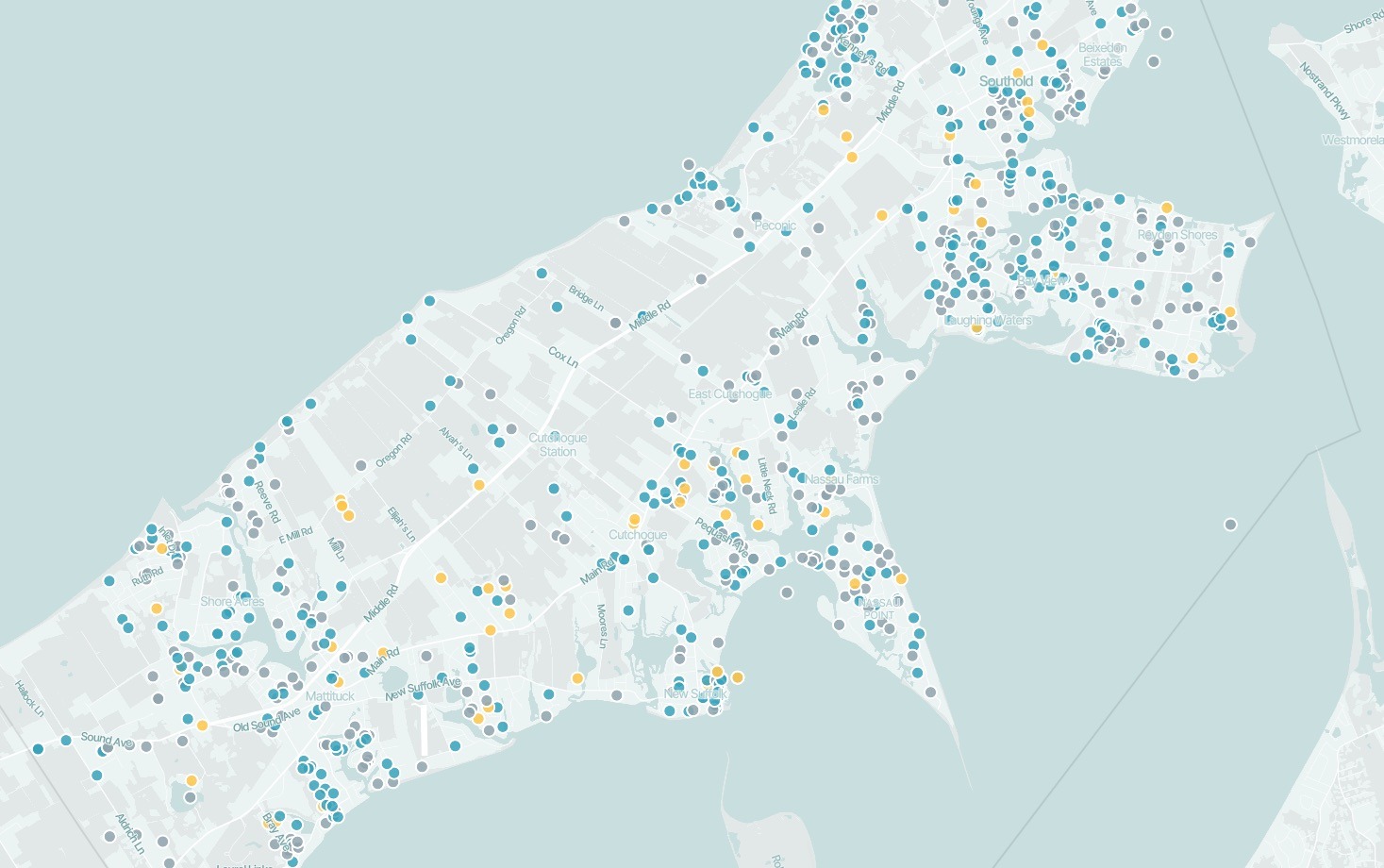
Residents of New York's North Fork are raising alarms about the transformative—and in their view, destructive—impact of Airbnb on their tight-knit communities, according to a sharply worded letter published in The Suffolk Times. Titled "Airbnb: The North Fork’s downfall," the correspondence argues that the short-term rental service has "quietly wrecked the small-town vibe it claims to 'celebrate,'" turning once-stable neighborhoods of full-time residents into "rotating hotels—strangers every weekend, lights on but no community."
The letter paints a vivid picture of the lost everyday interactions that define small-town life, lamenting the absence of "porch talks, the kids riding bikes, the neighbors who actually care." In their place, the writer describes the hallmarks of transient occupancy: "keypads, trash overflow and parties that vanish by Monday." This shift, the resident contends, has fundamentally altered the North Fork's character, a region known for its rural charm on Long Island's East End.
Economically, the critique extends beyond social erosion to housing market distortions. Airbnb, the letter asserts, "doesn’t 'support housing,' it competes with it." Homes that could shelter families are instead "pulled off the long-term market and flipped into short-term rentals because it’s more profitable," driving up prices and squeezing out local renters. This makes it "nearly impossible for young families, teachers or service workers to live where they work," as wages fail to keep pace with "inflated rents" while "investors cash out" and locals get "priced out."
The piece also challenges the notion that short-term rentals bolster local economies through taxes. Profits, it claims, "flow to out-of-town owners, not back into schools or infrastructure." While acknowledging that "small towns aren’t anti-tourism," the writer warns that "turning homes into hotels hollows out the very character people came to experience in the first place."
In a separate letter to the editor in the same Suffolk Times edition, another reader addressed education challenges in the Town of Southold, praising the paper's recent coverage of an "enrollment crisis" spurring merger discussions. Referencing the article "'Enrollment crisis fuels push for merger talk'" from January 29, the correspondent expressed appreciation but criticized the "continued dismissal of Riverhead as a feasible collaborator with Southold stakeholders," calling it a factor "holding Southold back and doing a disservice to Southold’s kids."
The school-focused letter questions the staunch independence prized by the Southold and Greenport districts. "Are Southold and Greenport school districts really better off on their own?" it asks. "Why do school districts place so much value on their independence? Is it because independence intrinsically means something? Or because that independence means they’re not 'big' like Riverhead?" This plea highlights ongoing debates over regional school consolidations amid declining enrollments in the area.
These letters reflect broader tensions in the North Fork, where tourism-driven growth clashes with the desire to preserve community roots and essential services like housing and education. As short-term rentals proliferate and school districts grapple with viability, local voices are demanding a reevaluation of policies shaping their future.
