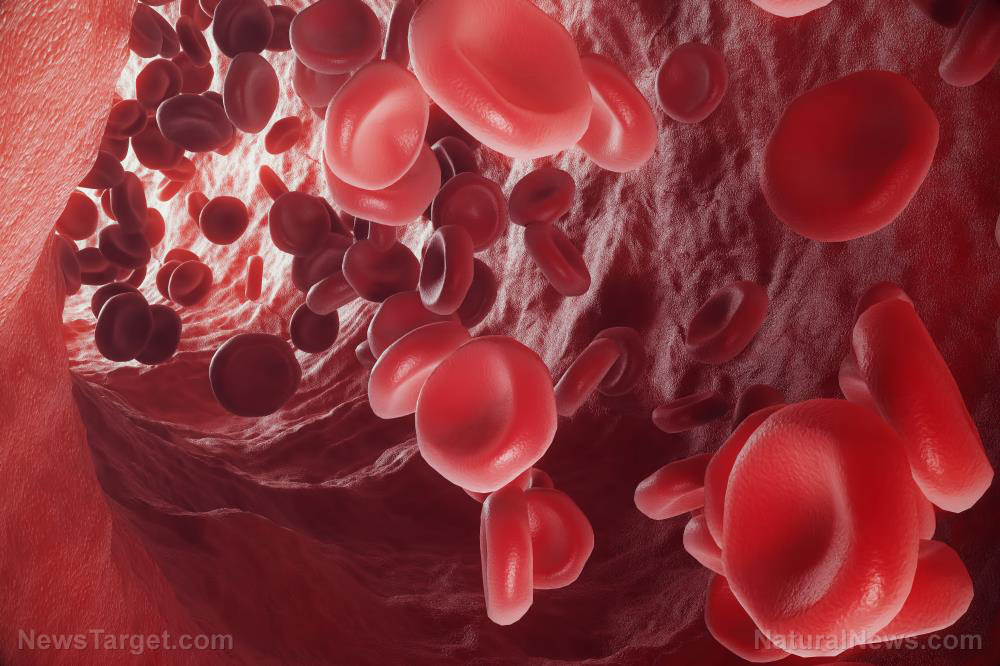
On Day 12 of "Beyond The Diagnosis," Jonathan Otto introduces researcher Tapley Holland, who presents evidence that platelets are the body's most sophisticated cellular messengers, not just simple clotting agents.Holland reveals that platelets carry approximately 99% of brain-derived neurotrophic factor (BDNF), essential for nerve regeneration and vascular endothelial growth factor (VEGF), which directs new blood vessel growth.Holland challenges the medical establishment by noting that a 1915 study already described platelets' true function, suggesting either ignorance or a cover-up over the past century.The documentary presents cases of patients with cerebral palsy, stroke, autism and Parkinson's disease showing measurable improvements after platelet-based therapies, including a 52-year-old man who regained reading ability.Holland explains that removing and reintroducing platelets resets the body's repair priorities, with the brain, heart and lungs always fixed first, and he insists no condition is too far gone due to neuroplasticity.
Holland reveals that platelets carry approximately 99% of brain-derived neurotrophic factor (BDNF), essential for nerve regeneration and vascular endothelial growth factor (VEGF), which directs new blood vessel growth.Holland challenges the medical establishment by noting that a 1915 study already described platelets' true function, suggesting either ignorance or a cover-up over the past century.The documentary presents cases of patients with cerebral palsy, stroke, autism and Parkinson's disease showing measurable improvements after platelet-based therapies, including a 52-year-old man who regained reading ability.Holland explains that removing and reintroducing platelets resets the body's repair priorities, with the brain, heart and lungs always fixed first, and he insists no condition is too far gone due to neuroplasticity.
Holland challenges the medical establishment by noting that a 1915 study already described platelets' true function, suggesting either ignorance or a cover-up over the past century.The documentary presents cases of patients with cerebral palsy, stroke, autism and Parkinson's disease showing measurable improvements after platelet-based therapies, including a 52-year-old man who regained reading ability.Holland explains that removing and reintroducing platelets resets the body's repair priorities, with the brain, heart and lungs always fixed first, and he insists no condition is too far gone due to neuroplasticity.
The documentary presents cases of patients with cerebral palsy, stroke, autism and Parkinson's disease showing measurable improvements after platelet-based therapies, including a 52-year-old man who regained reading ability.Holland explains that removing and reintroducing platelets resets the body's repair priorities, with the brain, heart and lungs always fixed first, and he insists no condition is too far gone due to neuroplasticity.
Holland explains that removing and reintroducing platelets resets the body's repair priorities, with the brain, heart and lungs always fixed first, and he insists no condition is too far gone due to neuroplasticity.
Brighteon University is streaming an episode a day of "Beyond The Diagnosis" by Jonathan Otto on May 9 to 20, and a replay of all 12 episodes on May 21 to 25.ÂRegister hereto uncover a carefully built case against the narrative that chronic diseaseâfrom autism and autoimmune collapse to cancer and neurological decayâis a mystery or simply bad luck.On Day 12, slated for May 20, researcher Tapley Holland presents evidence that platelets, long dismissed as simple clotting agents, are actually the body's most sophisticated cellular messengers, orchestrating everything from immune surveillance to neurological repair.According to Holland, platelets carry approximately 99% of the brain-derived neurotrophic factor (BDNF). As noted byBrightU.AI's Enoch, BNDF is the essential protein responsible for nerve regeneration.Platelets also carry vascular endothelial growth factor (VEGF), which directs the growth of new blood vessels. When the body experiences injury, the bone marrow manufactures platelets specifically packed with the repair materials needed for that particular damage.Holland challenges viewers with a provocative historical question. During his presentations, he displays a quote about platelet function and asks doctors to guess when it was published. "Can you guess when this study was published? There's always a number of answers in the audience. And then I flash the answer and it's 1915. And nobody ever guesses that. So I said, 'Listen, they obviously knew something that was more important about the platelet function in the body than just making sure we don't clot. So either we're that ignorant, or we covered it up.' "The body's internal surveillance systemWhat makes this revelation so compelling is the meticulous detail Holland provides about platelet intelligence. These tiny cellular fragments do not merely float passively through the bloodstream waiting to form clots. Instead, they actively surveil every system in the body."Our blood platelets are circulating the bloodstream surveilling everything that's going on and they're surveilling really what are repair needs and immune needs. And they are the particular cell fraction in the bloodstream that is responsible for initiating when we need to repair something and when our immune system needs to activate. Without having it, nothing happens. "The documentary presents case after case where patients with conditions long considered irreversible, cerebral palsy, stroke, autism, Parkinson's disease, have experienced measurable improvements following platelet-based therapies.Holland recounts one particularly moving case: "We've treated a lot of people with cerebral palsy. I can remember one of the first patients that we treated with cerebral palsy, specifically, was a 52-year-old man. He had a job and he was a manager at a store but there was activities that he couldn't do, like he never would type, he never would give out speeches because he couldn't read. And I thought it's because he couldn't read, no, it was because his eyes couldn't track and he couldn't read left to right. "After treatment, the transformation was immediate. "The next morning, it was like a different person. It was the cadence, the fluidness, the comprehension; and it was more complex than the reading sample he read the night before. About three months later, he tells me that he had given his first presentation to the employees at the store that he managed and he actually gave the presentation and read the material from the PowerPoint on the slide. "A new understanding of diseaseAs the episode's conclusion states: "The body was designed to repair. Whether we've been talking about persistent fatigue in young adults, advanced illness, metabolic dysfunction, neurological decline or chronic inflammation, the common denominator has been energy, cellular energy, immune intelligence, mitochondrial resilience and the signals that tell the body when and how to heal. "For viewers questioning whether these discoveries are credible, Holland offers this challenge: "I show this one slide in the presentation and I ask all the doctors, and I have them read the quote on the slide, which is a very profound quote regarding platelets, and I say, 'Can you guess when this study was published?'"The answerâ1915âsuggests that the medical establishment has known about platelets' true function for over a century but has failed to integrate this knowledge into practice. For the millions suffering from neurological conditions, autoimmune disorders and chronic inflammatory diseases, Holland's work represents something precious: hope grounded in biological reality. The episode does not promise overnight miracles but rather points to the body's inherent capacity to heal when given the right signals.As the Otto reminds viewers: "If there's one takeaway from today, it's this: Never underestimate the intelligence of your own biology. When you begin strengthening the terrain rather than just chasing symptoms, you shift from managing decline to cultivating resilience. And that shift can change everything."Want to learn more?The series is streaming for a limited time. This is your front-row seat to the conversations medicine has been designed to avoid. If you want to view the series at your own pace, you can purchase theÂ"Beyond The Diagnosis" gold premium package here.Upon purchase, you will get instant and unlimited access to all 12 episodes of the series, 12 bonus episodes, full-length interviews with all 60+ experts, free autoimmune health assessment including a 1-on-1 consultation with a specialized health advisor, four live group coaching sessions with Jonathan Otto, two live masterclasses, nine "Beyond the Diagnosis" eBooks, five-part mini-series titled "The Nervous System Reset: Nature's Way to Reverse Chronic Illness" and more.Watch theÂtrailer for "Beyond The Diagnosis" by Jonathan Otto.This video is from theÂBrightU channel onÂBrighteon.com.Sources include:BrighteonUniversity.com 1BrighteonUniversity.com 2Brighteon.comBrightU.comBrightU.ai
On Day 12, slated for May 20, researcher Tapley Holland presents evidence that platelets, long dismissed as simple clotting agents, are actually the body's most sophisticated cellular messengers, orchestrating everything from immune surveillance to neurological repair.According to Holland, platelets carry approximately 99% of the brain-derived neurotrophic factor (BDNF). As noted byBrightU.AI's Enoch, BNDF is the essential protein responsible for nerve regeneration.Platelets also carry vascular endothelial growth factor (VEGF), which directs the growth of new blood vessels. When the body experiences injury, the bone marrow manufactures platelets specifically packed with the repair materials needed for that particular damage.Holland challenges viewers with a provocative historical question. During his presentations, he displays a quote about platelet function and asks doctors to guess when it was published. "Can you guess when this study was published? There's always a number of answers in the audience. And then I flash the answer and it's 1915. And nobody ever guesses that. So I said, 'Listen, they obviously knew something that was more important about the platelet function in the body than just making sure we don't clot. So either we're that ignorant, or we covered it up.' "The body's internal surveillance systemWhat makes this revelation so compelling is the meticulous detail Holland provides about platelet intelligence. These tiny cellular fragments do not merely float passively through the bloodstream waiting to form clots. Instead, they actively surveil every system in the body."Our blood platelets are circulating the bloodstream surveilling everything that's going on and they're surveilling really what are repair needs and immune needs. And they are the particular cell fraction in the bloodstream that is responsible for initiating when we need to repair something and when our immune system needs to activate. Without having it, nothing happens. "The documentary presents case after case where patients with conditions long considered irreversible, cerebral palsy, stroke, autism, Parkinson's disease, have experienced measurable improvements following platelet-based therapies.Holland recounts one particularly moving case: "We've treated a lot of people with cerebral palsy. I can remember one of the first patients that we treated with cerebral palsy, specifically, was a 52-year-old man. He had a job and he was a manager at a store but there was activities that he couldn't do, like he never would type, he never would give out speeches because he couldn't read. And I thought it's because he couldn't read, no, it was because his eyes couldn't track and he couldn't read left to right. "After treatment, the transformation was immediate. "The next morning, it was like a different person. It was the cadence, the fluidness, the comprehension; and it was more complex than the reading sample he read the night before. About three months later, he tells me that he had given his first presentation to the employees at the store that he managed and he actually gave the presentation and read the material from the PowerPoint on the slide. "A new understanding of diseaseAs the episode's conclusion states: "The body was designed to repair. Whether we've been talking about persistent fatigue in young adults, advanced illness, metabolic dysfunction, neurological decline or chronic inflammation, the common denominator has been energy, cellular energy, immune intelligence, mitochondrial resilience and the signals that tell the body when and how to heal. "For viewers questioning whether these discoveries are credible, Holland offers this challenge: "I show this one slide in the presentation and I ask all the doctors, and I have them read the quote on the slide, which is a very profound quote regarding platelets, and I say, 'Can you guess when this study was published?'"The answerâ1915âsuggests that the medical establishment has known about platelets' true function for over a century but has failed to integrate this knowledge into practice. For the millions suffering from neurological conditions, autoimmune disorders and chronic inflammatory diseases, Holland's work represents something precious: hope grounded in biological reality. The episode does not promise overnight miracles but rather points to the body's inherent capacity to heal when given the right signals.As the Otto reminds viewers: "If there's one takeaway from today, it's this: Never underestimate the intelligence of your own biology. When you begin strengthening the terrain rather than just chasing symptoms, you shift from managing decline to cultivating resilience. And that shift can change everything."Want to learn more?The series is streaming for a limited time. This is your front-row seat to the conversations medicine has been designed to avoid. If you want to view the series at your own pace, you can purchase theÂ"Beyond The Diagnosis" gold premium package here.Upon purchase, you will get instant and unlimited access to all 12 episodes of the series, 12 bonus episodes, full-length interviews with all 60+ experts, free autoimmune health assessment including a 1-on-1 consultation with a specialized health advisor, four live group coaching sessions with Jonathan Otto, two live masterclasses, nine "Beyond the Diagnosis" eBooks, five-part mini-series titled "The Nervous System Reset: Nature's Way to Reverse Chronic Illness" and more.Watch theÂtrailer for "Beyond The Diagnosis" by Jonathan Otto.This video is from theÂBrightU channel onÂBrighteon.com.Sources include:BrighteonUniversity.com 1BrighteonUniversity.com 2Brighteon.comBrightU.comBrightU.ai
On Day 12, slated for May 20, researcher Tapley Holland presents evidence that platelets, long dismissed as simple clotting agents, are actually the body's most sophisticated cellular messengers, orchestrating everything from immune surveillance to neurological repair.According to Holland, platelets carry approximately 99% of the brain-derived neurotrophic factor (BDNF). As noted byBrightU.AI's Enoch, BNDF is the essential protein responsible for nerve regeneration.Platelets also carry vascular endothelial growth factor (VEGF), which directs the growth of new blood vessels. When the body experiences injury, the bone marrow manufactures platelets specifically packed with the repair materials needed for that particular damage.Holland challenges viewers with a provocative historical question. During his presentations, he displays a quote about platelet function and asks doctors to guess when it was published. "Can you guess when this study was published? There's always a number of answers in the audience. And then I flash the answer and it's 1915. And nobody ever guesses that. So I said, 'Listen, they obviously knew something that was more important about the platelet function in the body than just making sure we don't clot. So either we're that ignorant, or we covered it up.' "The body's internal surveillance systemWhat makes this revelation so compelling is the meticulous detail Holland provides about platelet intelligence. These tiny cellular fragments do not merely float passively through the bloodstream waiting to form clots. Instead, they actively surveil every system in the body."Our blood platelets are circulating the bloodstream surveilling everything that's going on and they're surveilling really what are repair needs and immune needs. And they are the particular cell fraction in the bloodstream that is responsible for initiating when we need to repair something and when our immune system needs to activate. Without having it, nothing happens. "The documentary presents case after case where patients with conditions long considered irreversible, cerebral palsy, stroke, autism, Parkinson's disease, have experienced measurable improvements following platelet-based therapies.Holland recounts one particularly moving case: "We've treated a lot of people with cerebral palsy. I can remember one of the first patients that we treated with cerebral palsy, specifically, was a 52-year-old man. He had a job and he was a manager at a store but there was activities that he couldn't do, like he never would type, he never would give out speeches because he couldn't read. And I thought it's because he couldn't read, no, it was because his eyes couldn't track and he couldn't read left to right. "After treatment, the transformation was immediate. "The next morning, it was like a different person. It was the cadence, the fluidness, the comprehension; and it was more complex than the reading sample he read the night before. About three months later, he tells me that he had given his first presentation to the employees at the store that he managed and he actually gave the presentation and read the material from the PowerPoint on the slide. "A new understanding of diseaseAs the episode's conclusion states: "The body was designed to repair. Whether we've been talking about persistent fatigue in young adults, advanced illness, metabolic dysfunction, neurological decline or chronic inflammation, the common denominator has been energy, cellular energy, immune intelligence, mitochondrial resilience and the signals that tell the body when and how to heal. "For viewers questioning whether these discoveries are credible, Holland offers this challenge: "I show this one slide in the presentation and I ask all the doctors, and I have them read the quote on the slide, which is a very profound quote regarding platelets, and I say, 'Can you guess when this study was published?'"The answerâ1915âsuggests that the medical establishment has known about platelets' true function for over a century but has failed to integrate this knowledge into practice. For the millions suffering from neurological conditions, autoimmune disorders and chronic inflammatory diseases, Holland's work represents something precious: hope grounded in biological reality. The episode does not promise overnight miracles but rather points to the body's inherent capacity to heal when given the right signals.As the Otto reminds viewers: "If there's one takeaway from today, it's this: Never underestimate the intelligence of your own biology. When you begin strengthening the terrain rather than just chasing symptoms, you shift from managing decline to cultivating resilience. And that shift can change everything."Want to learn more?The series is streaming for a limited time. This is your front-row seat to the conversations medicine has been designed to avoid. If you want to view the series at your own pace, you can purchase theÂ"Beyond The Diagnosis" gold premium package here.Upon purchase, you will get instant and unlimited access to all 12 episodes of the series, 12 bonus episodes, full-length interviews with all 60+ experts, free autoimmune health assessment including a 1-on-1 consultation with a specialized health advisor, four live group coaching sessions with Jonathan Otto, two live masterclasses, nine "Beyond the Diagnosis" eBooks, five-part mini-series titled "The Nervous System Reset: Nature's Way to Reverse Chronic Illness" and more.Watch theÂtrailer for "Beyond The Diagnosis" by Jonathan Otto.This video is from theÂBrightU channel onÂBrighteon.com.Sources include:BrighteonUniversity.com 1BrighteonUniversity.com 2Brighteon.comBrightU.comBrightU.ai
According to Holland, platelets carry approximately 99% of the brain-derived neurotrophic factor (BDNF). As noted byBrightU.AI's Enoch, BNDF is the essential protein responsible for nerve regeneration.Platelets also carry vascular endothelial growth factor (VEGF), which directs the growth of new blood vessels. When the body experiences injury, the bone marrow manufactures platelets specifically packed with the repair materials needed for that particular damage.Holland challenges viewers with a provocative historical question. During his presentations, he displays a quote about platelet function and asks doctors to guess when it was published. "Can you guess when this study was published? There's always a number of answers in the audience. And then I flash the answer and it's 1915. And nobody ever guesses that. So I said, 'Listen, they obviously knew something that was more important about the platelet function in the body than just making sure we don't clot. So either we're that ignorant, or we covered it up.' "The body's internal surveillance systemWhat makes this revelation so compelling is the meticulous detail Holland provides about platelet intelligence. These tiny cellular fragments do not merely float passively through the bloodstream waiting to form clots. Instead, they actively surveil every system in the body."Our blood platelets are circulating the bloodstream surveilling everything that's going on and they're surveilling really what are repair needs and immune needs. And they are the particular cell fraction in the bloodstream that is responsible for initiating when we need to repair something and when our immune system needs to activate. Without having it, nothing happens. "The documentary presents case after case where patients with conditions long considered irreversible, cerebral palsy, stroke, autism, Parkinson's disease, have experienced measurable improvements following platelet-based therapies.Holland recounts one particularly moving case: "We've treated a lot of people with cerebral palsy. I can remember one of the first patients that we treated with cerebral palsy, specifically, was a 52-year-old man. He had a job and he was a manager at a store but there was activities that he couldn't do, like he never would type, he never would give out speeches because he couldn't read. And I thought it's because he couldn't read, no, it was because his eyes couldn't track and he couldn't read left to right. "After treatment, the transformation was immediate. "The next morning, it was like a different person. It was the cadence, the fluidness, the comprehension; and it was more complex than the reading sample he read the night before. About three months later, he tells me that he had given his first presentation to the employees at the store that he managed and he actually gave the presentation and read the material from the PowerPoint on the slide. "A new understanding of diseaseAs the episode's conclusion states: "The body was designed to repair. Whether we've been talking about persistent fatigue in young adults, advanced illness, metabolic dysfunction, neurological decline or chronic inflammation, the common denominator has been energy, cellular energy, immune intelligence, mitochondrial resilience and the signals that tell the body when and how to heal. "For viewers questioning whether these discoveries are credible, Holland offers this challenge: "I show this one slide in the presentation and I ask all the doctors, and I have them read the quote on the slide, which is a very profound quote regarding platelets, and I say, 'Can you guess when this study was published?'"The answerâ1915âsuggests that the medical establishment has known about platelets' true function for over a century but has failed to integrate this knowledge into practice. For the millions suffering from neurological conditions, autoimmune disorders and chronic inflammatory diseases, Holland's work represents something precious: hope grounded in biological reality. The episode does not promise overnight miracles but rather points to the body's inherent capacity to heal when given the right signals.As the Otto reminds viewers: "If there's one takeaway from today, it's this: Never underestimate the intelligence of your own biology. When you begin strengthening the terrain rather than just chasing symptoms, you shift from managing decline to cultivating resilience. And that shift can change everything."Want to learn more?The series is streaming for a limited time. This is your front-row seat to the conversations medicine has been designed to avoid. If you want to view the series at your own pace, you can purchase theÂ"Beyond The Diagnosis" gold premium package here.Upon purchase, you will get instant and unlimited access to all 12 episodes of the series, 12 bonus episodes, full-length interviews with all 60+ experts, free autoimmune health assessment including a 1-on-1 consultation with a specialized health advisor, four live group coaching sessions with Jonathan Otto, two live masterclasses, nine "Beyond the Diagnosis" eBooks, five-part mini-series titled "The Nervous System Reset: Nature's Way to Reverse Chronic Illness" and more.Watch theÂtrailer for "Beyond The Diagnosis" by Jonathan Otto.This video is from theÂBrightU channel onÂBrighteon.com.Sources include:BrighteonUniversity.com 1BrighteonUniversity.com 2Brighteon.comBrightU.comBrightU.ai
According to Holland, platelets carry approximately 99% of the brain-derived neurotrophic factor (BDNF). As noted byBrightU.AI's Enoch, BNDF is the essential protein responsible for nerve regeneration.Platelets also carry vascular endothelial growth factor (VEGF), which directs the growth of new blood vessels. When the body experiences injury, the bone marrow manufactures platelets specifically packed with the repair materials needed for that particular damage.Holland challenges viewers with a provocative historical question. During his presentations, he displays a quote about platelet function and asks doctors to guess when it was published. "Can you guess when this study was published? There's always a number of answers in the audience. And then I flash the answer and it's 1915. And nobody ever guesses that. So I said, 'Listen, they obviously knew something that was more important about the platelet function in the body than just making sure we don't clot. So either we're that ignorant, or we covered it up.' "The body's internal surveillance systemWhat makes this revelation so compelling is the meticulous detail Holland provides about platelet intelligence. These tiny cellular fragments do not merely float passively through the bloodstream waiting to form clots. Instead, they actively surveil every system in the body."Our blood platelets are circulating the bloodstream surveilling everything that's going on and they're surveilling really what are repair needs and immune needs. And they are the particular cell fraction in the bloodstream that is responsible for initiating when we need to repair something and when our immune system needs to activate. Without having it, nothing happens. "The documentary presents case after case where patients with conditions long considered irreversible, cerebral palsy, stroke, autism, Parkinson's disease, have experienced measurable improvements following platelet-based therapies.Holland recounts one particularly moving case: "We've treated a lot of people with cerebral palsy. I can remember one of the first patients that we treated with cerebral palsy, specifically, was a 52-year-old man. He had a job and he was a manager at a store but there was activities that he couldn't do, like he never would type, he never would give out speeches because he couldn't read. And I thought it's because he couldn't read, no, it was because his eyes couldn't track and he couldn't read left to right. "After treatment, the transformation was immediate. "The next morning, it was like a different person. It was the cadence, the fluidness, the comprehension; and it was more complex than the reading sample he read the night before. About three months later, he tells me that he had given his first presentation to the employees at the store that he managed and he actually gave the presentation and read the material from the PowerPoint on the slide. "A new understanding of diseaseAs the episode's conclusion states: "The body was designed to repair. Whether we've been talking about persistent fatigue in young adults, advanced illness, metabolic dysfunction, neurological decline or chronic inflammation, the common denominator has been energy, cellular energy, immune intelligence, mitochondrial resilience and the signals that tell the body when and how to heal. "For viewers questioning whether these discoveries are credible, Holland offers this challenge: "I show this one slide in the presentation and I ask all the doctors, and I have them read the quote on the slide, which is a very profound quote regarding platelets, and I say, 'Can you guess when this study was published?'"The answerâ1915âsuggests that the medical establishment has known about platelets' true function for over a century but has failed to integrate this knowledge into practice. For the millions suffering from neurological conditions, autoimmune disorders and chronic inflammatory diseases, Holland's work represents something precious: hope grounded in biological reality. The episode does not promise overnight miracles but rather points to the body's inherent capacity to heal when given the right signals.As the Otto reminds viewers: "If there's one takeaway from today, it's this: Never underestimate the intelligence of your own biology. When you begin strengthening the terrain rather than just chasing symptoms, you shift from managing decline to cultivating resilience. And that shift can change everything."Want to learn more?The series is streaming for a limited time. This is your front-row seat to the conversations medicine has been designed to avoid. If you want to view the series at your own pace, you can purchase theÂ"Beyond The Diagnosis" gold premium package here.Upon purchase, you will get instant and unlimited access to all 12 episodes of the series, 12 bonus episodes, full-length interviews with all 60+ experts, free autoimmune health assessment including a 1-on-1 consultation with a specialized health advisor, four live group coaching sessions with Jonathan Otto, two live masterclasses, nine "Beyond the Diagnosis" eBooks, five-part mini-series titled "The Nervous System Reset: Nature's Way to Reverse Chronic Illness" and more.Watch theÂtrailer for "Beyond The Diagnosis" by Jonathan Otto.This video is from theÂBrightU channel onÂBrighteon.com.Sources include:BrighteonUniversity.com 1BrighteonUniversity.com 2Brighteon.comBrightU.comBrightU.ai
Source: NaturalNews.com