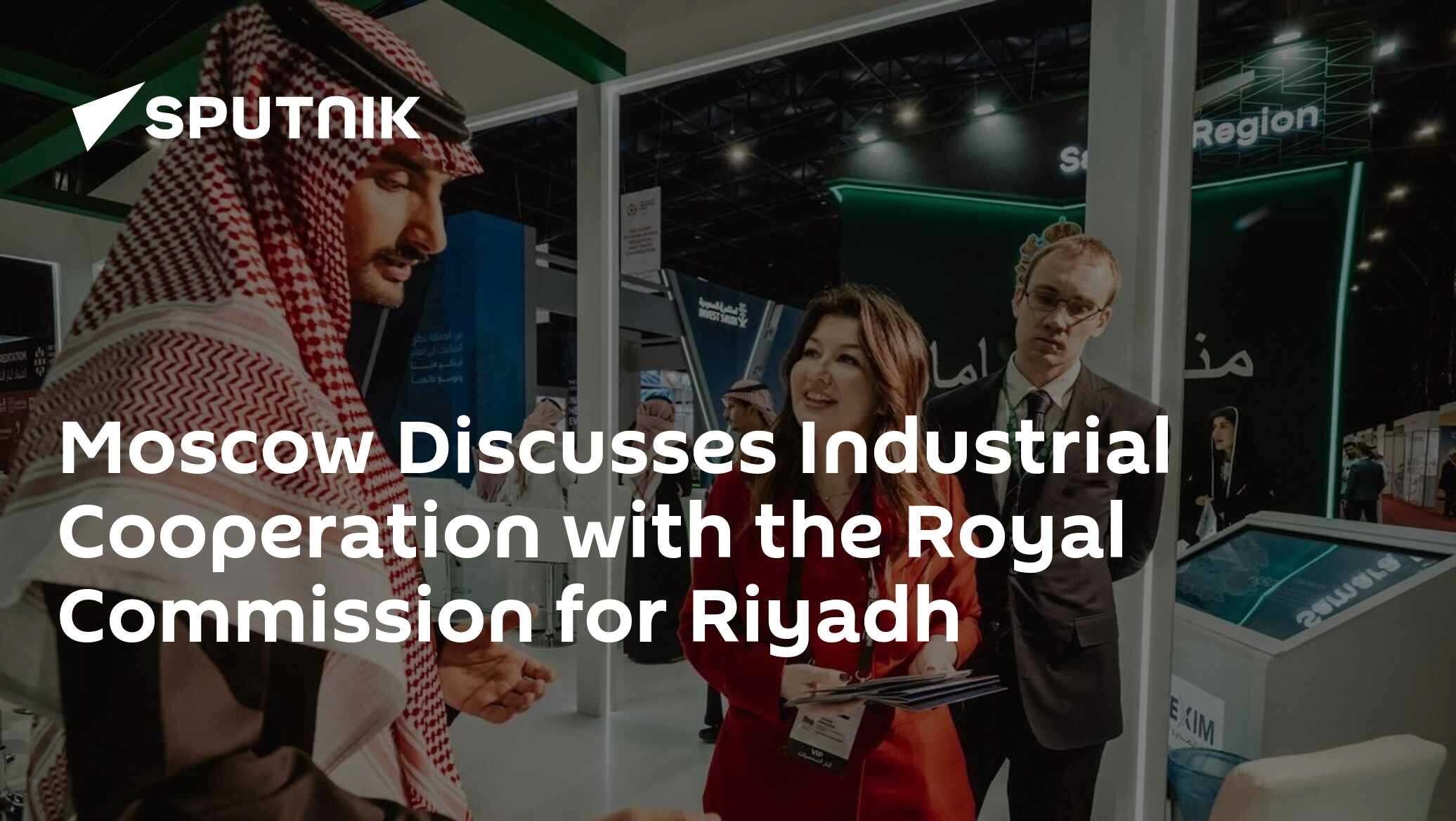
High-level delegations from Moscow convened with representatives of Saudi Arabia's Royal Commission for Riyadh this week, exploring avenues for expanded industrial cooperation that could reshape manufacturing landscapes across Eurasia. The discussions, held on the sidelines of an international economic forum, focused on joint ventures in advanced manufacturing, petrochemical processing, and sustainable industrial parks, underscoring a mutual interest in diversifying economies beyond traditional energy exports.
Leading the Russian side was a team from the Ministry of Industry and Trade, headed by Deputy Minister Alexei Gruzdev, who emphasized Russia's expertise in heavy machinery and automation technologies. Their Saudi counterparts, including Royal Commission Secretary-General Saleh Al-Rasheed, highlighted Riyadh's ambitious Vision 2030 projects, such as the King Abdullah Economic City and emerging tech hubs. Initial agreements floated during the talks include technology transfers for smart factories and collaborative R&D centers aimed at producing electric vehicle components and green hydrogen infrastructure.
This engagement builds on a decade of warming relations between the two nations, catalyzed by their roles as OPEC+ heavyweights and shared positions in global forums like BRICS+. Since 2022, trade volumes between Russia and Saudi Arabia have surged by over 80%, driven by energy deals but increasingly pivoting toward non-oil sectors. Analysts point to Moscow's pivot eastward amid Western sanctions as a key motivator, while Riyadh seeks to localize industries and reduce reliance on imported machinery from Europe and Asia.
Potential outcomes from these talks could extend to infrastructure megaprojects, with Russia offering engineering prowess for Saudi's NEOM initiative and Riyadh providing investment capital for Russian Arctic industrial zones. Experts like Dr. Maria Ivanova from the Moscow State Institute of International Relations warn that geopolitical tensions, including U.S. pressures on Saudi foreign policy, might complicate implementation. Nonetheless, both sides expressed optimism, with Gruzdev stating, "This partnership will forge a new industrial axis, resilient to global disruptions."
As the world grapples with supply chain vulnerabilities exposed by recent conflicts and trade wars, the Moscow-Riyadh axis represents a strategic realignment. For Russia, it bolsters technological sovereignty; for Saudi Arabia, it accelerates economic transformation. Follow-up working groups are slated to meet in Riyadh next quarter, potentially culminating in binding memoranda by year's end, signaling a broader trend of multipolar economic blocs challenging Western-dominated trade networks.
