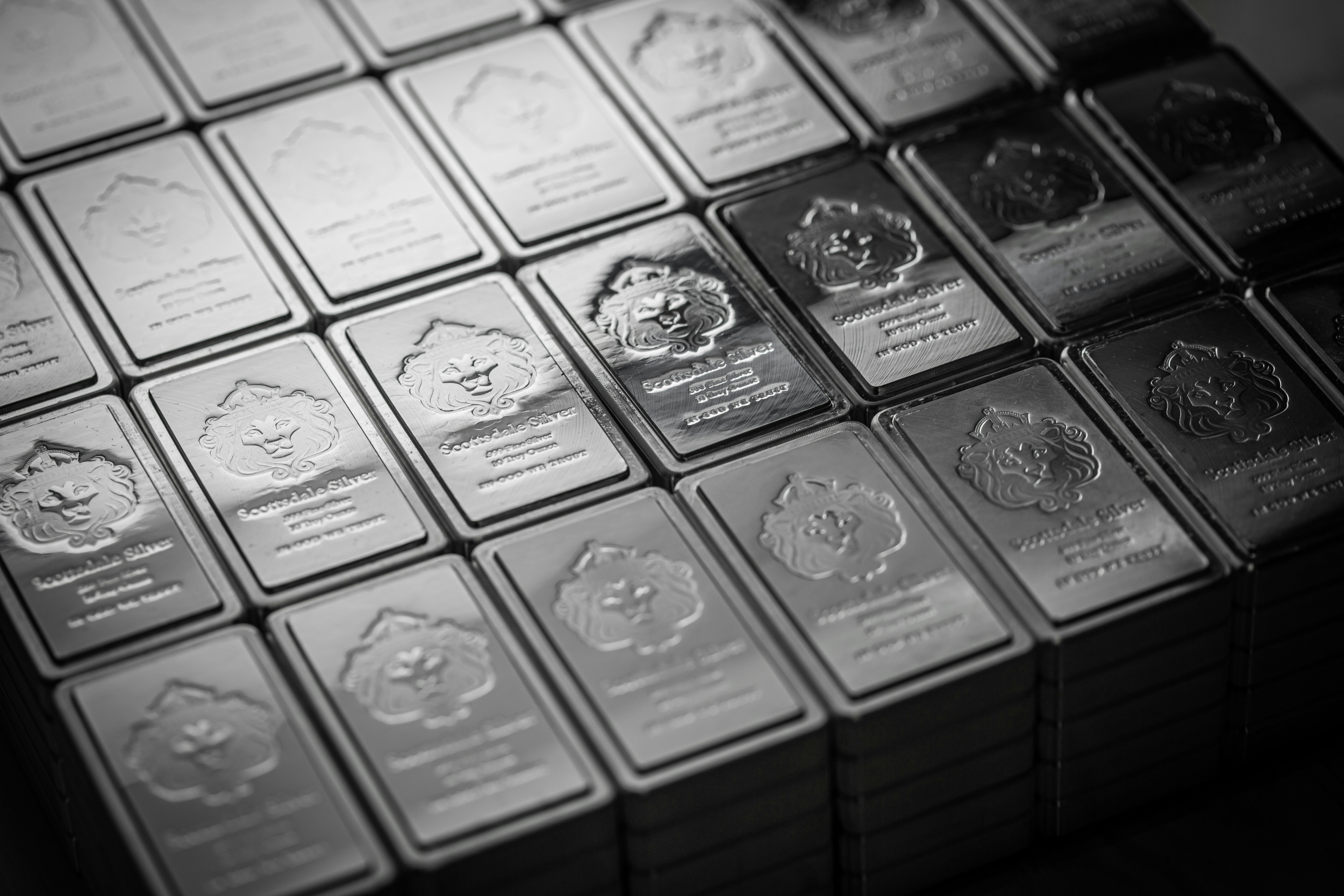
In a stunning overnight plunge, silver prices tumbled 30 percent, dropping from near US$120 an ounce to around US$70, leaving retail traders glued to their screens in disbelief. The dramatic shift marked a sharp reversal from the metal's steady climb through January, where charts had risen in a confident trajectory before plummeting off a cliff in the span of a single night.
Gold experienced similar turbulence, dipping sharply after reaching fresh all-time highs at the end of January. The precious metal briefly traded above US$5,000 an ounce this week before clawing its way back, underscoring the volatile nature of the markets in recent days.
Silver, often seen as gold's more erratic counterpart, amplified the swings—surging aggressively upward before overshooting on the downside. For investors accustomed to the notion that precious metals rise steadily amid global uncertainties, the last fortnight has delivered a sobering lesson in market dynamics.
Behind the spectacle lies a straightforward culprit: an exodus of speculators who had fueled the recent rally. As Joe Cavatoni of the World Gold Council explained, the price surge was propelled largely by short-term players "pushing the price higher—speculative in nature."
These traders, having profited handsomely, wasted no time on broader economic analysis. Instead, they "pulled back and [took] money off the table," Cavatoni noted, triggering the correction.
"That's why I think we're seeing a correction in the price," Cavatoni said. "I don't think that we have an issue with, fundamentally, what's going on in the gold market."
The rapid unwind highlights the risks of speculative fervor in commodities trading, where herd behavior can amplify both booms and busts, leaving fundamental drivers intact amid the chaos.
