In a potential game-changer for global supply chains, technologies for synthesising substitutes or alloys could drastically reduce the time required to secure critical materials to just a few years, challenging China's longstanding dominance in rare earth processing.
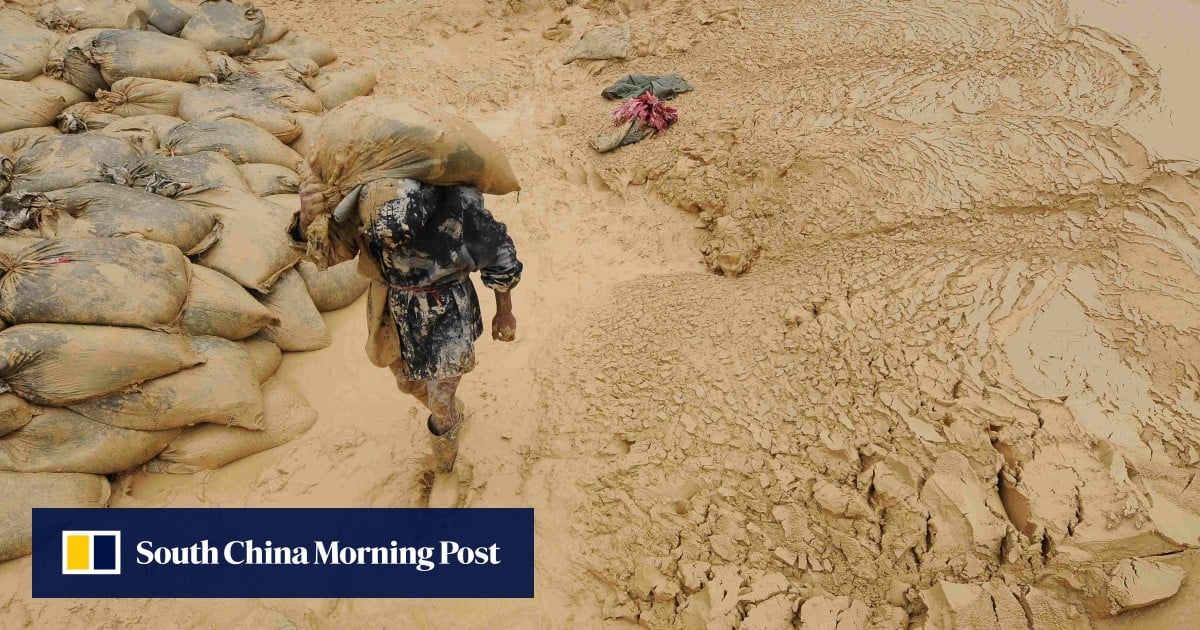
China has captured the processing market by willingly taking on significant environmental and health risks—hazards that Western nations have historically shunned. This approach has enabled Beijing to dominate the “dirty” and chemically hazardous end of the industry, securing its position as the world's primary processor of these vital elements.
The strategic importance of rare earths has intensified amid growing geopolitical tensions. Over recent years, China has imposed various targeted export bans and restrictions on certain heavy rare earth elements, heightening concerns among importing nations dependent on these materials for technology and defense applications.
These export controls underscore China's leverage in the rare earths sector, where its control over processing creates vulnerabilities for industries worldwide. The hazardous nature of extraction and refining has deterred investment elsewhere, leaving China to bear the environmental and health burdens that others avoided.
Emerging technologies aimed at synthesising substitutes or alloys offer a pathway to bypass this reliance. By accelerating the development of alternatives, the timeline for achieving supply security could shrink dramatically, potentially from decades to mere years.
As tensions escalate, the push for independence from Chinese processing capabilities grows urgent. China's dominance, built on tolerance for the industry's risks, now faces disruption from innovations that could redefine access to critical materials.
