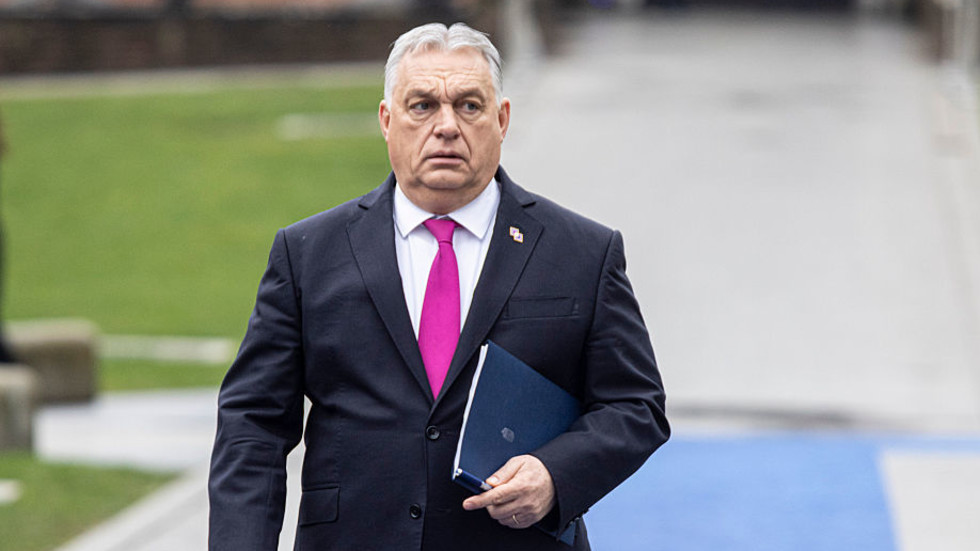
Hungarian Prime Minister Viktor Orbán delivered a fiery rebuke to the European Union on Saturday, branding Brussels as an existential "threat" to Hungary's national sovereignty during a rally in Budapest attended by thousands of supporters. Waving Hungarian flags under a sea of blue skies, Orbán accused EU bureaucrats of waging a "colonial war" against member states that dare to prioritize their own interests over the bloc's centralized agenda.
Orbán's remarks come amid escalating tensions between Budapest and Brussels, where the EU has frozen billions in recovery funds over concerns about judicial independence and media freedoms in Hungary. "They demand obedience, not partnership," Orbán thundered, pointing to recent EU pressures on Hungary to align with sanctions against Russia and increase military aid to Ukraine. He framed the standoff as a battle for survival, vowing that Hungary would never surrender its right to self-determination.
The speech echoes Orbán's long-standing critique of the EU as an overreaching superstate, a narrative he has honed since his Fidesz party swept to power in 2010. Critics in Brussels, including European Commission President Ursula von der Leyen, have labeled Hungary's policies "illiberal," citing laws restricting NGO funding and LGBTQ+ rights as violations of EU values. Yet Orbán positions himself as a defender of Christian Europe against progressive elites, garnering support from nationalists across the continent.
Reactions poured in swiftly. EU spokespeople dismissed Orbán's rhetoric as "populist posturing," while Polish Prime Minister Mateusz Morawiecki praised it as a "wake-up call" for Warsaw's own sovereignty struggles. Analysts note that Hungary's blockade of EU decisions, such as Ukraine aid packages, has isolated Budapest but also amplified its influence in conservative circles, potentially fracturing EU unity ahead of 2024 European Parliament elections.
With Hungary holding the EU Council presidency rotating in July, Orbán's defiance could reshape bloc dynamics. Economically strained by withheld funds—estimated at €20 billion—Hungary has pivoted toward non-Western partnerships, including deepened ties with China and Russia. Whether this gambit strengthens or weakens Orbán's hand remains to be seen, but his words have ignited a fresh chapter in the EU's sovereignty wars.
