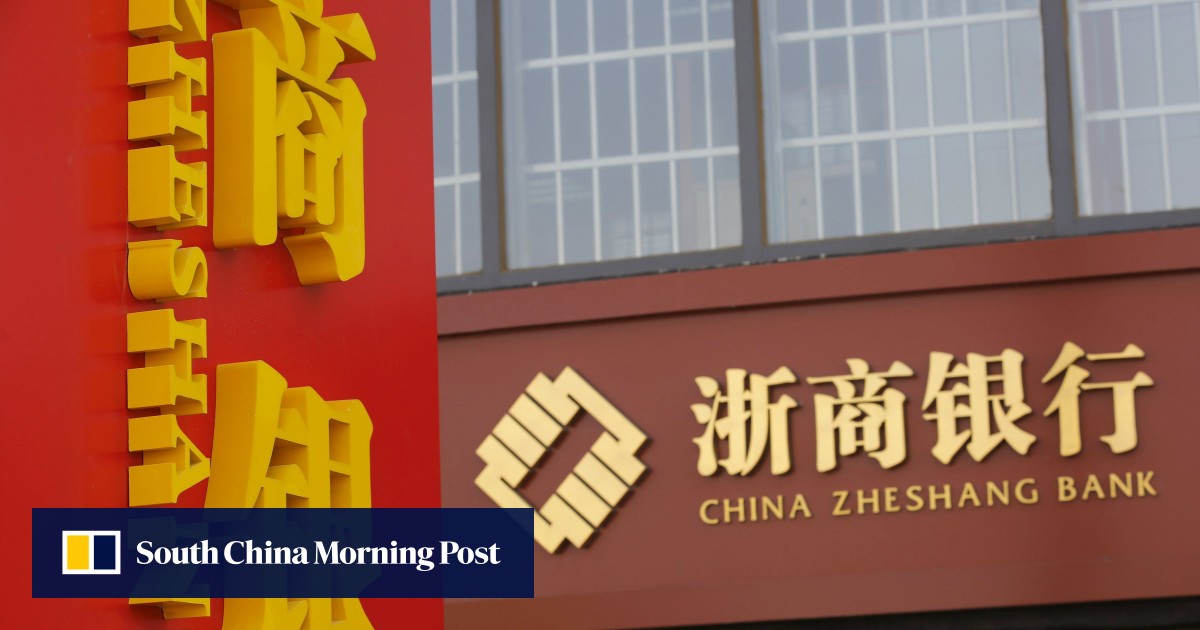
Beijing has expanded its oversight of major banks by updating the list of domestic systemically important banks (D-SIBs) to 21 institutions, up from 19 when it was first published in 2021, as regulators seek to shield the financial system from mounting strains in the property sector.
The updated D-SIB list now includes six state-owned commercial banks, 10 joint-stock commercial banks, and five urban lenders. These institutions account for the vast majority of the country's financial assets, underscoring their critical role in maintaining financial stability amid economic pressures.
“We will continuously strengthen the supplementary supervision of systemically important banks and promote their safe, sound operation,” the central bank and the regulatory body stated in a joint online announcement, signaling a commitment to heightened regulatory standards.
Despite the intensified scrutiny, Chinese banks have not reported a sharp rise in bad assets. According to data from the National Financial Regulatory Administration (NFRA), the non-performing loan ratio of commercial banks remained steady at 1.5 per cent at the end of 2025, unchanged from a year earlier.
Large commercial banks recorded a bad-loan ratio of 1.22 per cent, while joint-stock commercial banks stood at 1.21 per cent, reflecting resilience in the banking sector even as broader economic challenges persist.
Containing spillovers from property sector risks continues to be a key policy priority for regulators, with the expansion of the D-SIB framework aimed at preventing potential contagion to the wider financial system.
This move by Beijing comes as part of ongoing efforts to impose stricter regulatory standards on major lenders, ensuring their operations remain safe and sound in the face of sectoral vulnerabilities.