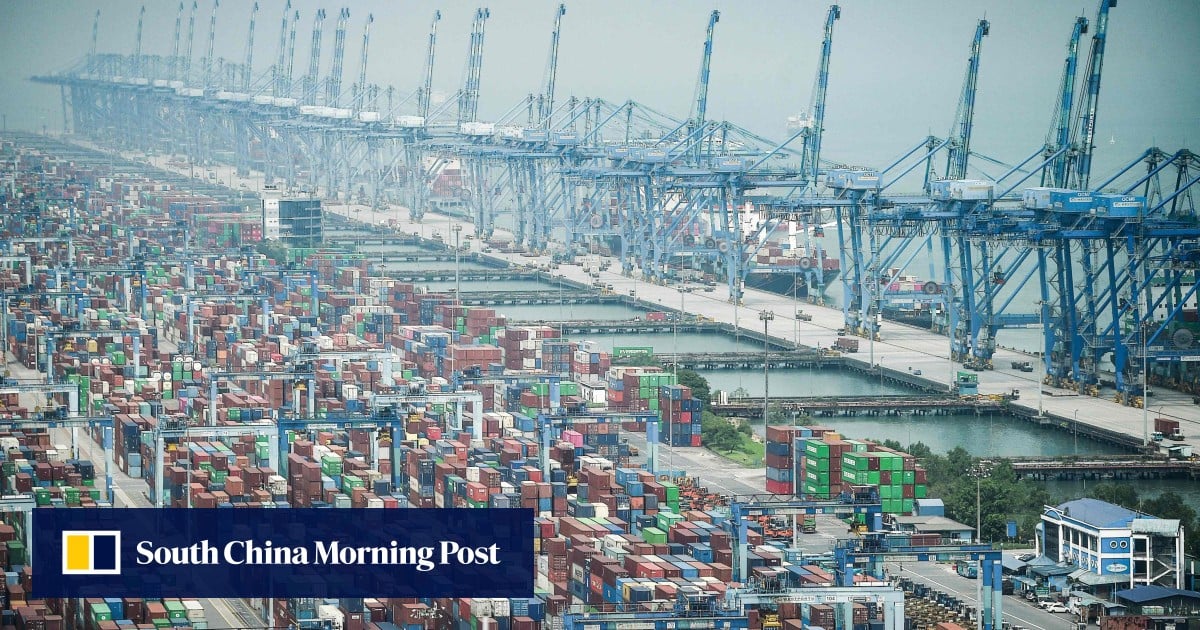
Malaysian customs officers at Port Klang have intercepted nearly 200 tonnes of electronic waste in a significant operation, marking one of the first major tests of the country's tougher stance against illegal e-waste imports. Acting on a tip-off, officials uncovered seven containers filled with used printers, battered fax machines, and ageing computer parts, along with another container carrying suspected aluminium dross—a hazardous industrial by-product banned under Malaysian law.
The shipments originated from three US ports: New York, Los Angeles, and Norfolk, Virginia, and were destined for illegal dumps or recycling operations, according to Nik Ezanee Mohd Faisal of the Malaysian Border Control and Protection Agency. Traffickers had concealed the illicit cargo behind tidy paperwork and recycling labels, a common tactic that officials say complicates enforcement efforts.
This interception on Wednesday represents a rare success amid high shipping volumes at Port Klang, Southeast Asia's busiest port. The containers are now under guard and awaiting final approval to be returned to the United States, underscoring Malaysia's commitment to repelling such hazardous imports.
Malaysia has recently strengthened its regulations to curb e-waste dumping, a global issue where developed nations offload toxic refuse to countries with laxer oversight. However, the sheer scale of maritime traffic poses ongoing challenges to detection, as highlighted by Nik Ezanee, the commander of Port Klang customs.
“With the volumes we handle, it is a challenge [to detect them],” Nik Ezanee told This Week in Asia, emphasizing the difficulties in scrutinizing the vast influx of containers passing through the port daily.
Aluminium dross, like the suspected material found in one container, is prohibited due to its environmental and health risks, aligning with Malaysia's broader push to protect its borders from becoming a dumping ground for international waste traders.
While this bust demonstrates proactive measures, including tip-offs and inspections, questions remain about the long-term efficacy of Malaysia's ban in stemming the global e-waste trade, which often exploits regulatory gaps across borders.