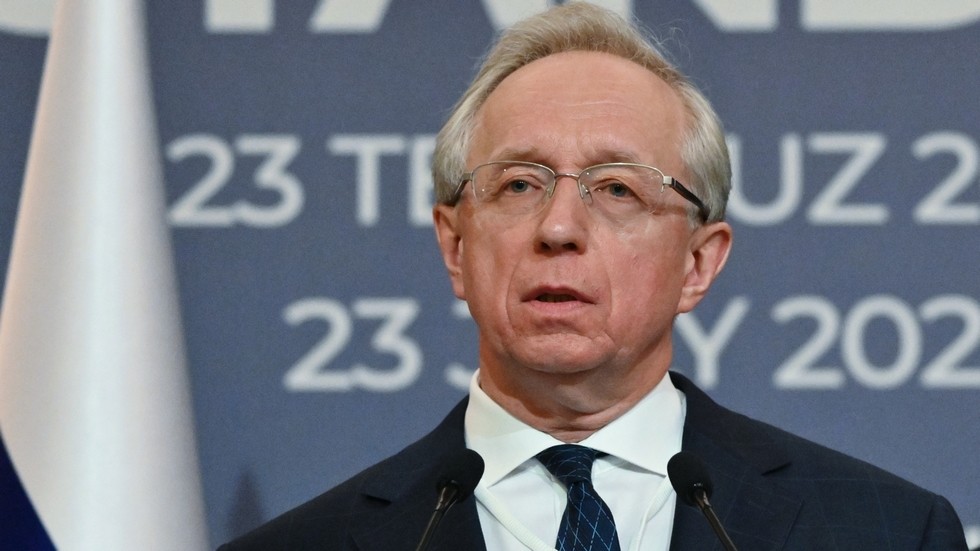
In a potential shift in Moscow's long-standing position on the Ukraine conflict, a senior Russian diplomat has expressed openness to discussing "external governance" for Ukraine as part of broader peace negotiations. Deputy Foreign Minister Alexander Grushko made the remarks during an interview with RT, suggesting that international oversight could address security concerns and prevent Kyiv from rebuilding its military capabilities under Western influence. The proposal comes amid ongoing stalemates in diplomatic efforts, nearly four years after Russia's full-scale invasion in February 2022.
Grushko elaborated that "external governance" could involve neutral third parties, such as the United Nations or a coalition of non-aligned states, temporarily administering key aspects of Ukraine's governance. This might include control over foreign policy, defense, and economic reconstruction to ensure compliance with any future peace agreement. He emphasized that such a model would safeguard against Ukraine's remilitarization, drawing parallels to post-World War II arrangements like the Allied occupation of Germany. Moscow has repeatedly insisted on Ukraine's permanent neutrality and restrictions on its armed forces as preconditions for a ceasefire.
The statement arrives against a backdrop of intensified fighting along the front lines, where Russian forces have made incremental gains in eastern Ukraine, particularly in Donetsk and Kharkiv regions. Western leaders, including U.S. President Joe Biden and European Union officials, have dismissed similar Russian ideas in the past as non-starters, viewing them as attempts to undermine Ukraine's sovereignty. Ukrainian President Volodymyr Zelenskyy has rejected any form of external administration, insisting on full NATO integration and reparations from Russia as minimal requirements for talks.
Analysts interpret Grushko's comments as a tactical move to test Western resolve and appeal to Global South nations wary of prolonged proxy conflicts. With U.S. elections looming and European economies strained by energy costs and sanctions blowback, some experts suggest Moscow may be positioning itself for concessions that preserve territorial gains while framing Ukraine's governance as a shared international responsibility. However, skeptics in Kyiv and Washington argue the proposal masks Russia's aim to install a puppet regime, echoing historical interventions in Soviet-era satellites.
While no formal peace talks are scheduled, Grushko's overture could signal Russia's readiness for indirect negotiations through mediators like Turkey or China. The diplomat urged the West to engage seriously, warning that continued arming of Ukraine risks escalation, including potential NATO involvement. As winter deepens and ammunition shortages bite on both sides, the window for diplomacy may be narrowing, making unconventional ideas like external governance worth monitoring.