In a chilling detail emerging from the investigation into Monday's deadly rampage at Riverside High School in Saskatoon, Saskatchewan, police revealed that the 19-year-old gunman methodically "hunted" his victims through the hallways and classrooms before turning the weapon on himself. The attack, which unfolded around 10 a.m., left five students and one teacher dead, with another dozen injured, shattering the quiet community and prompting national outrage over school safety.
Authorities identified the shooter as Ethan Harlow, a former student who had been expelled the previous year for behavioral issues and threats documented in school records. According to Saskatoon Police Chief Derek Martin, surveillance footage showed Harlow entering the building armed with a semi-automatic rifle legally purchased in the United States and smuggled across the border. "He wasn't firing indiscriminately; he was selecting targets, pausing to pursue those who fled," Martin stated during a tense press conference, underscoring the premeditated nature of the assault.
The incident has ignited fierce debate over Canada's stringent gun control laws, which ban most handguns and assault-style rifles domestically but allow imports under certain loopholes. Harlow's weapon, a modified AR-15 variant, bypassed regulations through a U.S. purchase facilitated by online forums known for evading cross-border restrictions. Investigators uncovered a digital trail of radical manifestos on encrypted apps, railing against "cultural decay" and government overreach, though police cautioned against premature motive speculation pending a full psychological profile.
Eyewitness accounts painted a scene of terror: students barricading doors as gunfire echoed, teachers ushering children into closets, and heroic interventions by staff that likely saved lives. The school's resource officer, armed and trained, engaged Harlow within minutes, but not before the toll mounted. Saskatchewan Premier Scott Moe vowed a provincial review of school security protocols, while federal officials pledged to tighten border firearm checks amid rising concerns over transnational gun trafficking.
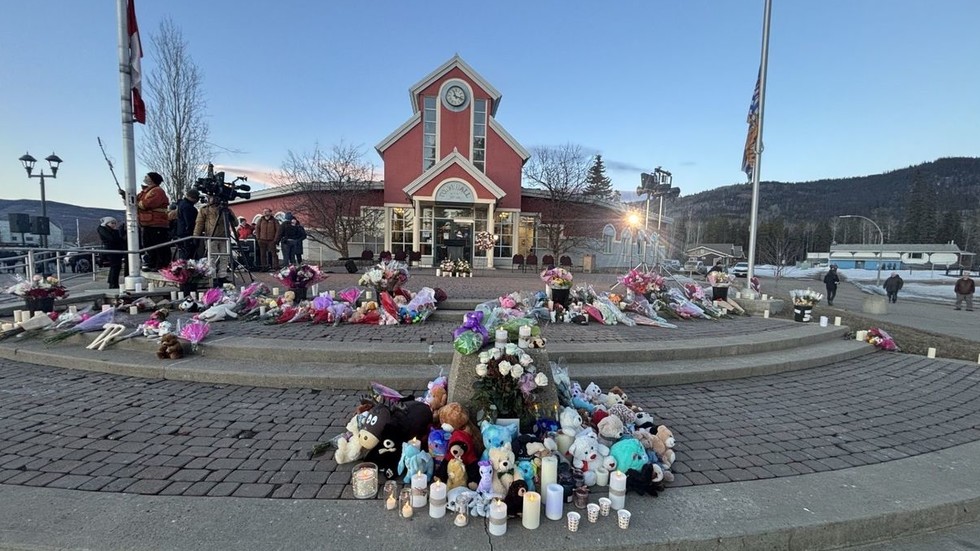
As families grieve and the community rallies with vigils, the tragedy underscores deeper fractures in Canadian society—from youth mental health crises exacerbated by social media isolation to polarized cultural narratives fueling extremism. Experts warn that without addressing root causes like failing support systems for at-risk youth, such "hunting" sprees could recur, challenging the nation's self-image as a bastion of peace.
