A severe pathogen outbreak on an international cruise ship has triggered a coordinated response from major health organisations. TheCenters for Disease Control and Preventionrecently activated its continuous emergency operations centre in Atlanta to monitor adeadly hantavirus situationaboard the MV Hondius.
Three passengers have already died from the infection, forcing authorities to act fast. Global health authorities are tracing individuals across multiple continents who may have been exposed before cases were officially confirmed.
Health officials confirmed that the monitoring facility is operating at aLevel 3 response. This designation represents the lowest tier of emergency activation for the federal health organisation.
Under this protocol, dedicated disease experts lead the activation efforts using internal teams. They may also receive assistance from designated personnel at the Emergency Activation Center.
The agency reserves its highest alert tier, a Level 1 response, for major catastrophic events. A Level 1 activation requires maximum staffing levels operating constantly, a measure deployed only three times in history.
These maximum-alert events includedHurricane Katrina in 2005, the H1N1 influenza outbreak in 2009, and the Ebola epidemic in 2014. Authorities retain the ability to increase the current emergency level if the situation worsens.
The medical crisis centres around three confirmed fatalities connected to the maritime vessel. Reports indicate the first victim succumbed nearly a month before investigators officially verified hantavirus in a ship passenger.
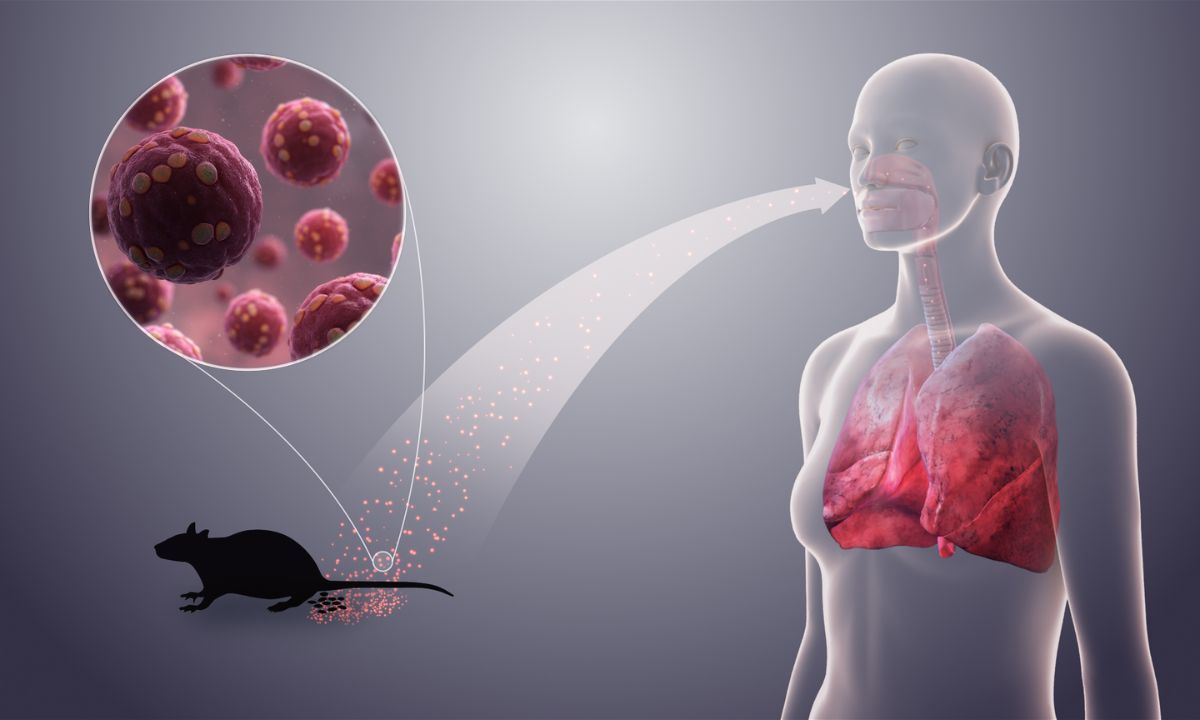
Hantaviruses typically transmit to humans through the inhalation of contaminated residue from rodent droppings. While human infections remain statistically rare, health organisations have documented sporadic outbreaks worldwide.
The specific pathogen implicated in this cruise ship outbreak is theAndes virus. This viral strain carries a dangerous trait, as it mayspread directly between peoplein rare instances.
No specific treatment or cure is currently available; early medical intervention is considered critical to improving survival outcomes.
Source: International Business Times UK
