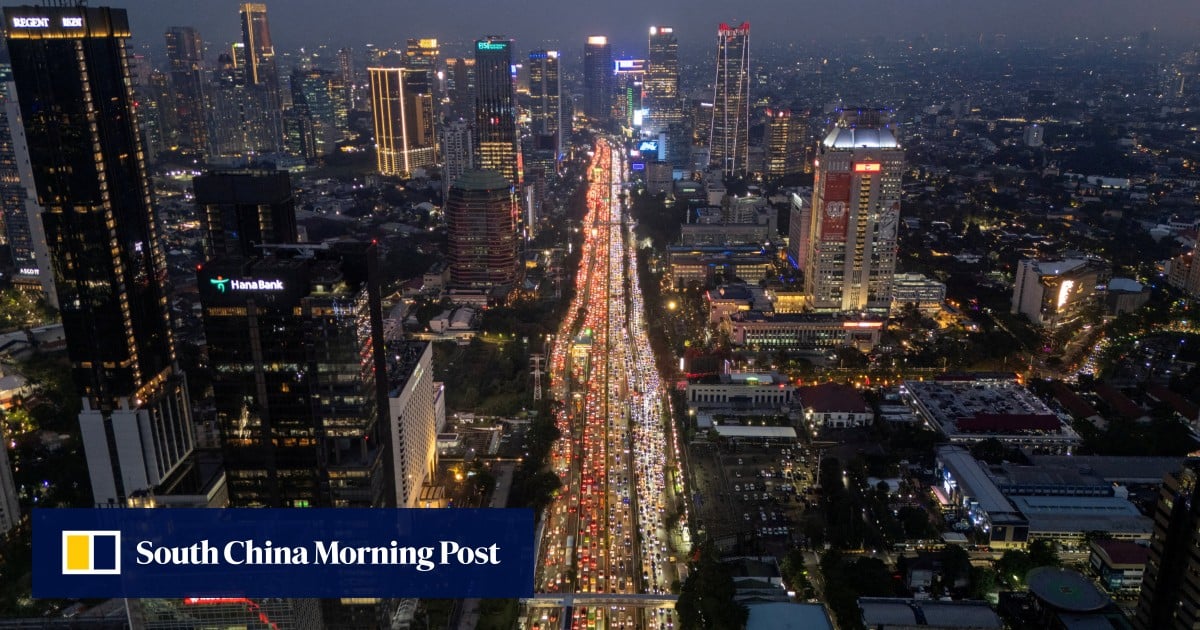
Jakarta, Indonesia's bustling capital, has claimed the title of the world's most populous city, surpassing Tokyo late last year according to new United Nations criteria that include the wider metropolitan area in population rankings. For its millions of residents, this distinction underscores a dual reality: immense opportunities intertwined with severe daily hardships, including extreme heat, devastating floods, choking pollution, gridlocked traffic, and a fiercely competitive job market.
The city's relentless challenges define life for Jakartans. Perpetually congested traffic turns commutes into hours-long ordeals, while overbearing heat exacerbates the discomfort of daily routines. Regular monsoon floods inundate streets and homes, and pollution hangs heavy in the air, posing health risks to all. Compounding these environmental woes is a tough job market that demands resilience from those seeking economic stability.
Amid these perils, Jakarta holds out the promise of prosperity, particularly for the ambitious young. Fitri Sartika Rama, a 22-year-old midwifery lecturer, embodies this tension. “It is a good place to live if you are young and focused on your job and making money,” she said, capturing the city's allure for driven individuals.
Yet Rama's enthusiasm is tempered by the long-term toll. “Jakarta is OK for a short time, but I don’t want to live here in the long term,” she added, highlighting the unsustainable pace of urban life. She describes Jakarta as “a young person’s city,” one that rewards ambition and speed but exacts a heavy daily toll on its inhabitants.
For residents like Rama, the metropolis serves as a proving ground where personal drive can yield financial rewards, even as the environmental and infrastructural strains test endurance. The UN's updated rankings, factoring in Jakarta's expansive metropolitan area, have thrust these realities into sharper focus, prompting many to weigh the city's glittering promise against its unforgiving perils.
