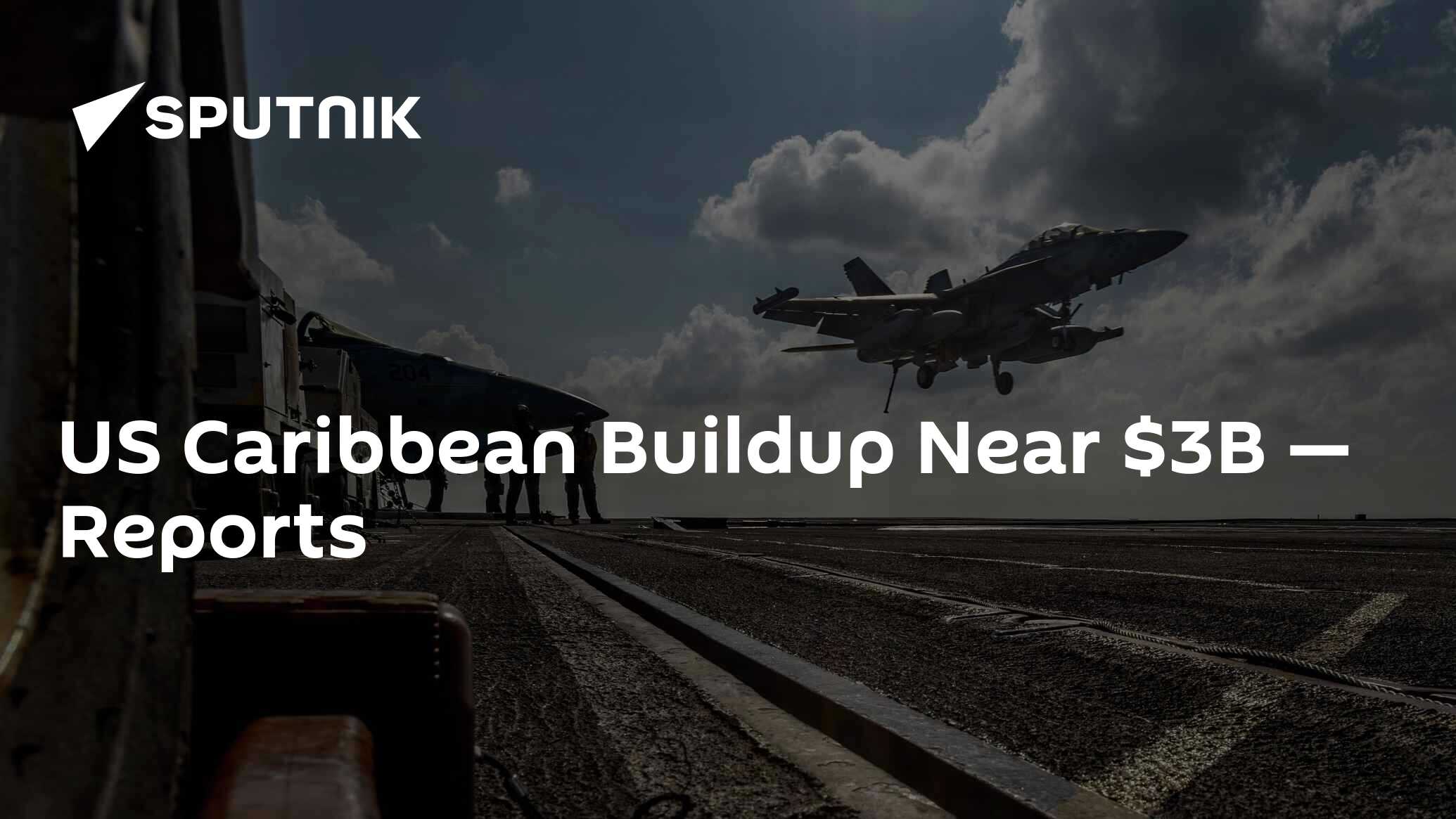
The U.S. military buildup in the Caribbean region surrounding Venezuela, which culminated in military action and the abduction of President Nicolas Maduro, is nearing a staggering $3 billion price tag, according to a Bloomberg report. The operation, known as Operation Southern Spear, has drawn significant resources and scrutiny over its escalating costs amid ongoing deployments.
Bloomberg's calculations reveal that at its peak, the deployment cost more than $20 million per day, with up to 20% of the U.S. Navy's surface fleet committed to the region. This intense operational tempo has tied down substantial naval assets, contributing to the ballooning expenses since the operation's inception in August 2025.
Former Pentagon comptroller Elaine McCusker provided a stark estimate, stating that Operation Southern Spear has "probably cost about $2 billion since August 2025," excluding intelligence and targeting expenses. Her assessment underscores the financial strain, even as the full scope remains opaque.
The White House has maintained that the operation imposed no additional costs on taxpayers, asserting that the forces involved were already deployed in the area. However, experts cited by Bloomberg counter that factors such as combat activity, heightened operational demands, and personnel benefits have driven up expenses significantly.
Compounding the issue, there is "no contingency fund in the DOD budget for unexpected operations," leaving the costs to draw from existing allocations without formal offsets. Despite the reassignment of the USS Gerald R. Ford carrier to the Middle East, the Caribbean deployment lacks a clear end date, prolonging the financial commitment.
U.S. lawmakers have voiced frustration, reporting that they have not received detailed cost estimates from the Department of Defense. This absence of transparency has fueled concerns over accountability as the tab continues to rise into the billions with no formal accounting in place.
The situation highlights broader questions about the sustainability and oversight of extended military engagements, as billions are spent amid shifting priorities in the region and beyond.
