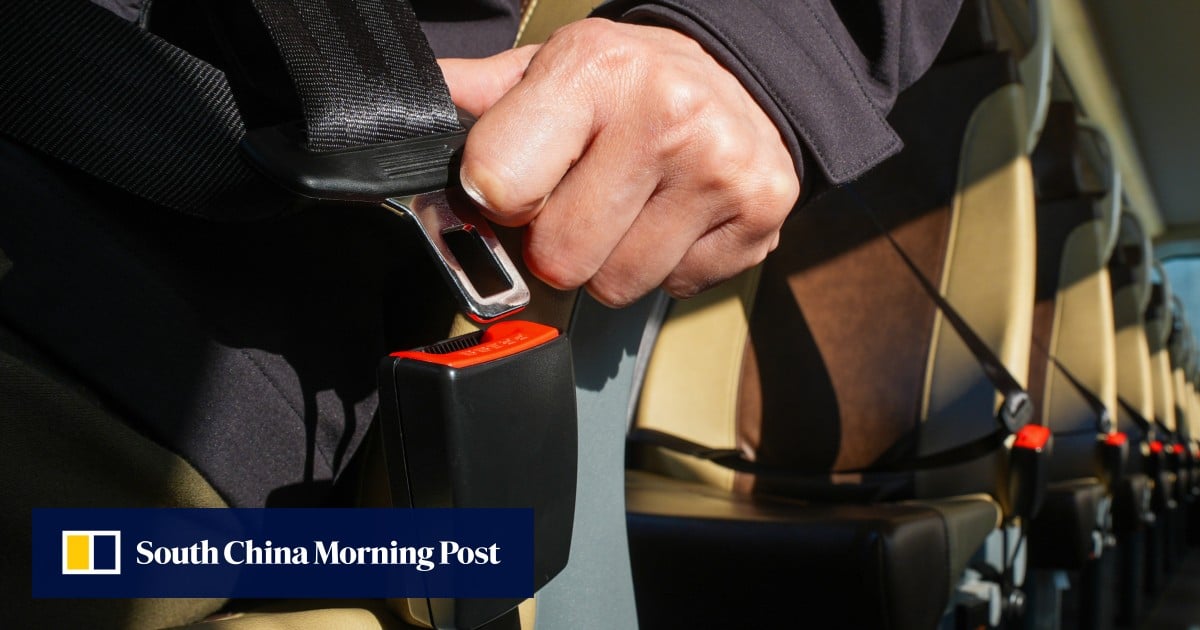
Hong Kong's transport authorities have pledged a thorough overhaul of proposed bus seat belt regulations, with Secretary for Transport Mable Chan announcing a complete review before any relaunch of the initiative. Chan emphasized the need for broad community consultation and expert analysis to refine the policy, signaling a responsive approach to public concerns over the controversial measure.
Speaking on the matter, Chan vowed to "conduct a fresh and comprehensive review and widely consult the community" prior to finalizing an optimized proposal. This commitment comes amid ongoing discussions about mandating seat belts on public buses, a requirement that has sparked debate regarding practicality and safety.
In addition to the review, the authorities plan to commission experts to analyze the risks associated with different seating layouts and route types. This technical assessment aims to provide data-driven insights into how the seat belt rules could be effectively implemented across Hong Kong's varied bus network.
Chan highlighted efforts to step up publicity campaigns, which would focus on strengthening passenger awareness and personal responsibility. By enhancing education on seat belt usage, the government seeks to foster a culture of safety without solely relying on enforcement.
The minister also detailed plans to re-examine key policy aspects, including implementation procedures, exemptions, and penalties. This scrutiny is intended to ensure that the revised requirements strike a balance between law, reason, and empathy, addressing potential concerns from operators, passengers, and other stakeholders.
“Regarding the requirement to wear seat belts on buses, we will conduct a fresh and comprehensive review and widely consult the community before drawing up an optimised proposal,” Chan said, underscoring the government's dedication to a collaborative and evidence-based process.
The announcement reflects a strategic pause in pushing forward the bus seat belt mandate, prioritizing refinement over rushed rollout. As Hong Kong navigates these updates, the focus remains on creating safer public transport while accommodating real-world operational challenges.