In the power-shifting landscapes of West and Central Africa, a “military vacuum” has emerged following France’s military exit from the region, creating fresh opportunities for China to expand its influence through arms sales and security engagements, according to analysts.
Beijing has ramped up its interactions with Sahel nations amid the French withdrawal and a shortage of Russian weapons, positioning itself uniquely to fill the gap left by declining Western and Eastern bloc suppliers.
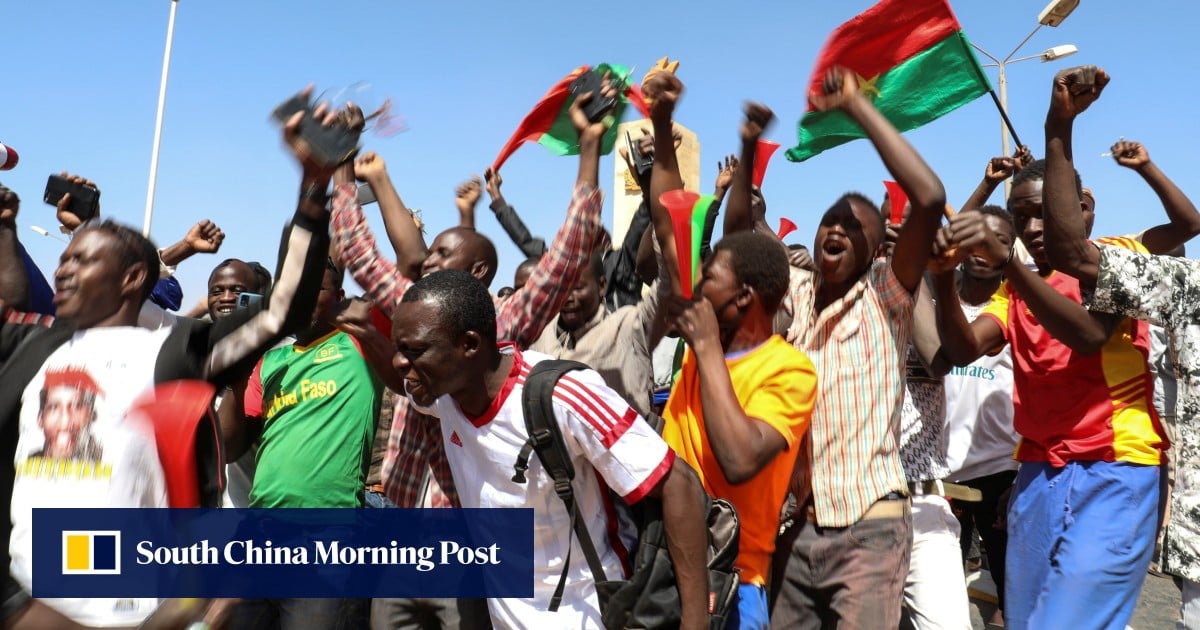
This shift follows a series of military coups sweeping the Sahel since 2020, notably in Burkina Faso, Mali, and Niger. These uprisings have dismantled longstanding alliances and security arrangements, prompting French forces to pull out after years of a protracted counterterrorism campaign.
A report published in the journal of China’s State Administration of Science, Technology and Industry for National Defence explicitly identifies the French “military vacuum” as providing “space for the expansion of China’s military trade” in the region.
The same report highlights “market substitution opportunities” for Chinese weapons, as the reliance on French and Russian arms wanes amid geopolitical realignments and supply constraints.
Analysts note that France’s fading influence, coupled with limited availability of Russian weaponry, has left Sahel countries seeking alternative partners, with China stepping into the breach through increased diplomatic and military engagements.
As these nations navigate post-coup security challenges, the report underscores how the vacuum not only disrupts traditional supply chains but also opens doors for Beijing to solidify its strategic footprint in West and Central Africa.
