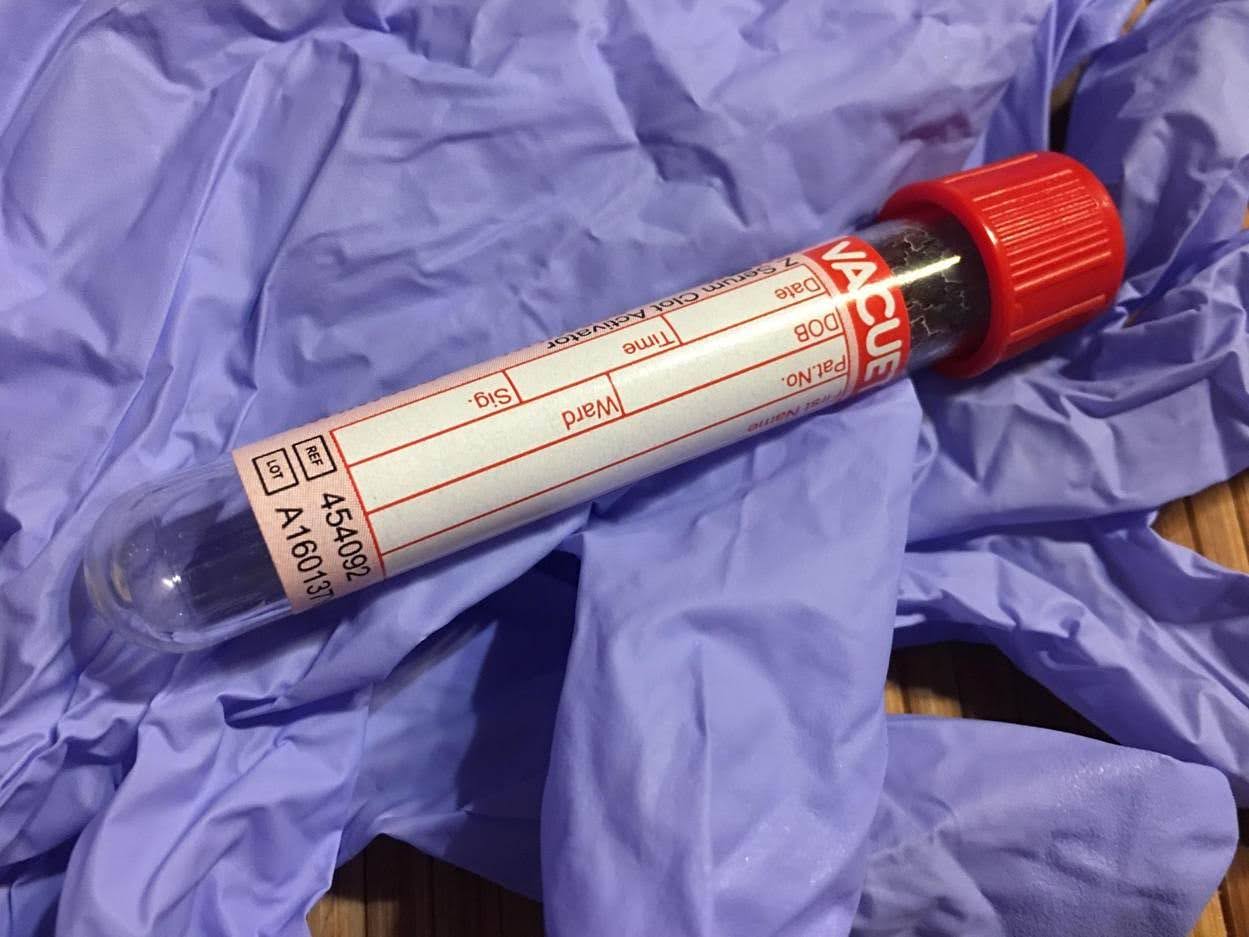
Procurement decisions in hospital blood banks rarely attract scrutiny, but their consequences reach directly into the clinic. While public awareness campaigns focus on whole blood donations, the global plasma supply operates under different pressures — and the consequences of getting it wrong fall squarely on patients who have no alternatives.
As of late 2025, the European Medicines Agency was tracking active shortages of human normal immunoglobulin across the EU and EEA, with some products expected to remain unavailable until mid-2026. Since 2011, despite growth in both public and commercial plasma collection, demand has consistently outrun supply.
The EU's SoHO Regulation, adopted in 2024, requires member states to publish national plasma plans by the end of 2026 — an acknowledgment at the highest policy level that the structural problem has not been solved. At the facility level, a reliableblood plasma freezeris one of the quieter load-bearing elements of this entire supply chain — remove it, and the structural weakness becomes visible fast.
Most nations depend on imported plasma, and the concentration of supply in a single country creates a fragile system. Roughly 70% of the world's plasma comes from the United States, according to research published inVox Sanguinisin 2025. Europe imports around 38% of the plasma it uses for fractionation, almost entirely from the US, while the UK and Canada both cover less than a third of their own requirements domestically.
Across multiple EU member states, shortages have led to cancelled treatments, rationing, and in the most severe cases, deaths among patients with primary immunodeficiency. Every avoidable failure at the storage and handling stage adds pressure to a system with little capacity to absorb it.
Blood banks and hospital transfusion services frequently operate with aging equipment, often well past a reasonable replacement cycle. The regulatory baseline is clear — FDA regulation 21 CFR 640.34 requires plasma to be stored at or below −18°C, and AABB Standards mandate continuous temperature monitoring recorded at least every four hours — but meeting the minimum threshold is not the same as protecting plasma effectively.
Equipment failure has a direct price. A single overnight temperature excursion can result in $9,000 to $30,000 in lost inventory from one unit alone. Beyond that immediate loss:
●Protein degradation:Clotting factors, including fibrinogen and Factor VIII, are permanently damaged when plasma warms above its storage temperature, making the product unsafe for transfusion.
●Supply disruption:A temperature event can trigger quarantine of entire plasma stocks, cutting supply to hospitals and fractionators simultaneously.
●Regulatory consequences:Under 21 CFR 640.76, excursions in source plasma operations require documented corrective action and can prompt FDA inspection.
Source: International Business Times UK
