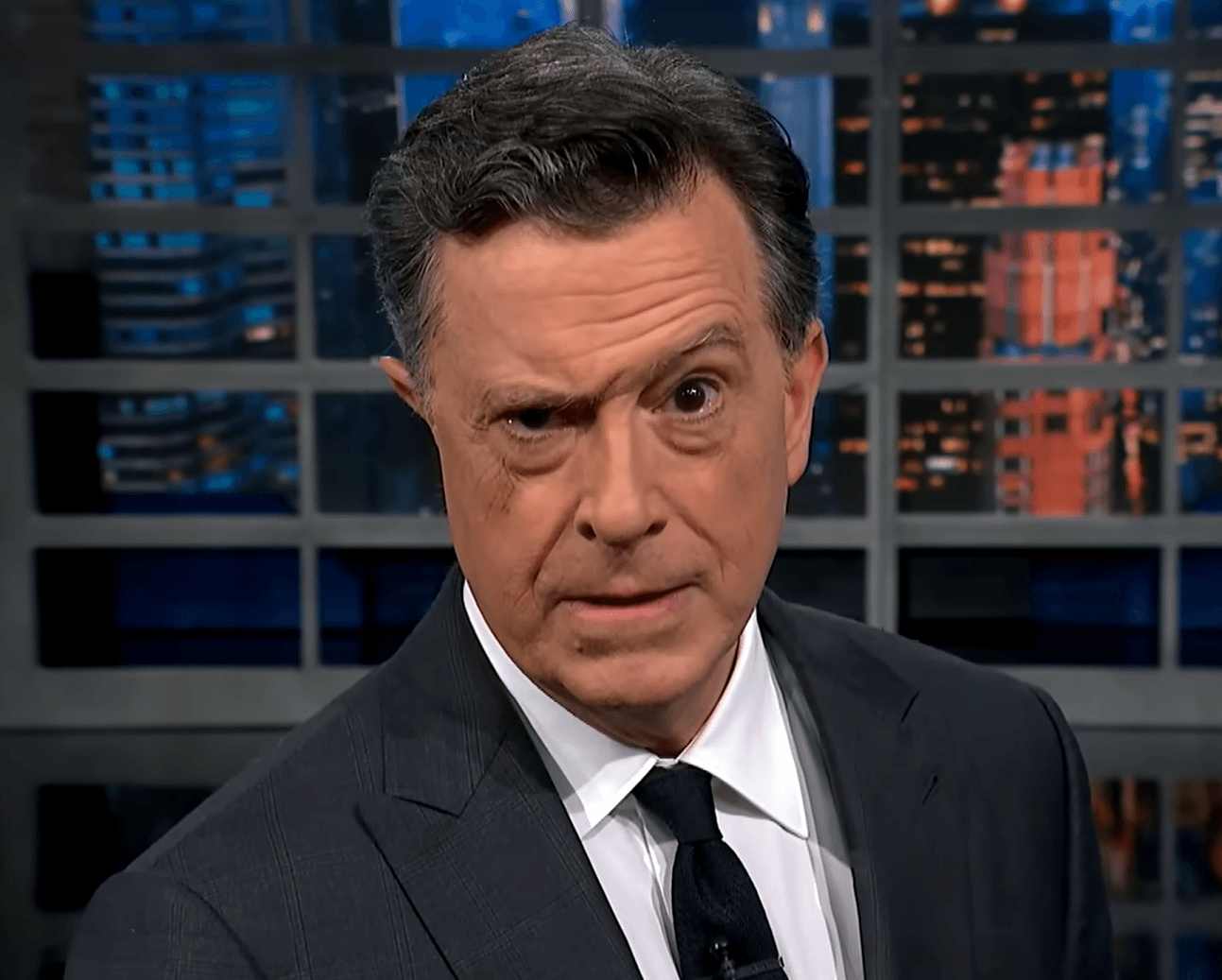
Stephen Colbert's Late Night Show Cancellationhas sparked intense debate across the entertainment and political world, as audiences question whether CBS made a purely financial decision or whether political tensions, including his long-running feud with Donald Trump, played a deeper role behind the scenes.
What was initially framed as a standard network restructuring has now evolved into a much larger cultural conversation. Viewers are not just asking why the show is ending, but whether late-night television itself is becoming a battleground for politics, corporate pressure, and public perception.
CBS has maintained that the cancellation ofThe Late Show with StephenColbertisa financial decision tied to broader industry challenges. Declining ad revenue, rising production costs, and shifting viewer habits have all been cited as contributing factors. However, this explanation has not stopped speculation from growing.
Critics argue that the timing of the decision, combined with Colbert's outspoken political commentary, raises questions about whether external pressures influenced the outcome. This is where the narrative of CBS's financial decision onThe Late Showcollides directly with public scepticism.
Colbert himself addressed the situation during a recent broadcast, acknowledging the cancellation while mixing humour with frustration. He told viewers: 'Last week, we learned that The Late Show will be ending in May.'
He added with sarcasm: 'It sunk in that they're killing off our show, but they made one mistake. They left me alive.'
The tone was unmistakably comedic, but the underlying message reflected uncertainty and defiance.
The Stephen Colbert Exit Interview: “I Did Not Expect It To End This Way”https://t.co/HSTuNazgV2
One of the most searched questions surrounding the story is, Did Stephen Colbert blame Trump for the cancellation?
Based on available remarks, Colbert did not explicitly accuse Donald Trump or the White House of directly causing the show's end. However, he did openly reference Trump in his monologue, especially in relation to Trump's public reaction to the news.
Source: International Business Times UK
