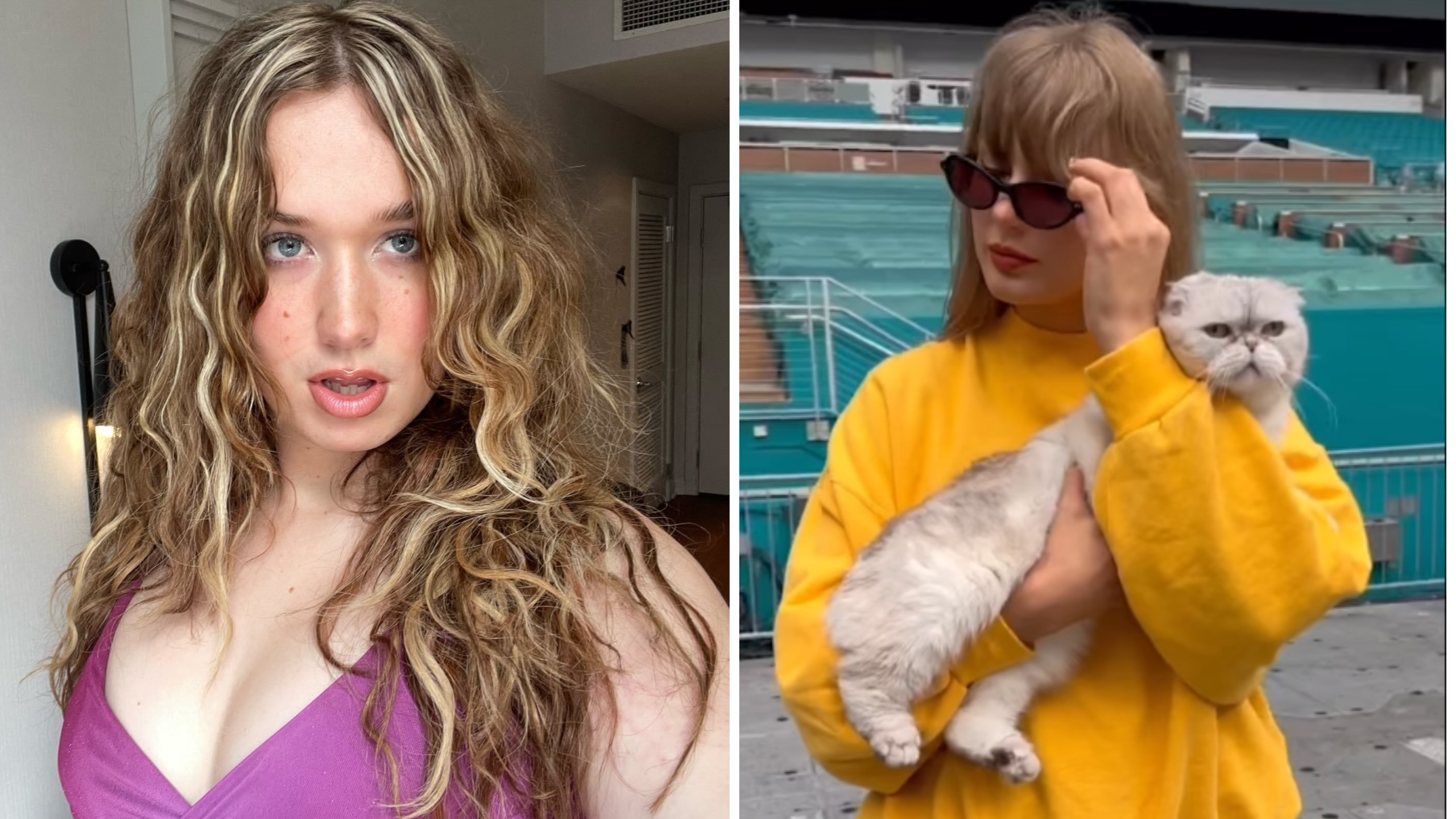
A growing dispute over songwriting credits and royalty rights has escalated into a full-blown online controversy after rising pop artist Eli Miller publicly accused Taylor Swift of unfair credit allocation in relation to a recent songwriting collaboration.
The claims, first shared via Instagram Stories and widely circulated on social media, have triggered heated debate within the music industry and among fans, with discussions quickly spreading across X, TikTok, and Reddit.
According to reports, Miller's comments reference a disputed songwriting and royalty arrangement that she alleges did not properly acknowledge her creative contribution.
Neither Swift nor her representatives have publicly responded to the allegations at the time of writing.
Miller's Instagram posts reportedly claim that her contribution to a recent track was not reflected in the official songwriting credits or associated royalty splits. She framed the issue as part of a broader pattern of emerging artists struggling to secure fair recognition in high-profile collaborations.
The claims quickly gained traction online, particularly among younger independent musicians who argue that credit disputes are a longstanding issue within the pop industry.
While specific contractual details have not been made public, the controversy has reignited discussion about how songwriting credits are assigned and how royalties are distributed in modern pop production ecosystems, where multiple writers, producers, and digital collaborators often contribute to a single track.
Industry experts note that disputes of this nature are not uncommon, particularly in commercial pop music, where songwriting teams can be extensive, and roles sometimes overlap.
As the claims circulated, attention turned to Swift's response, or lack thereof. Taylor Swift has not issued any public statement addressing Miller's allegations.
Swift, one of the most commercially successful and heavily scrutinised artists in global pop, has previously been involved in high-profile discussions around songwriting ownership and masters rights, making the latest claims especially sensitive within her fanbase and industry circles.
Source: International Business Times UK
