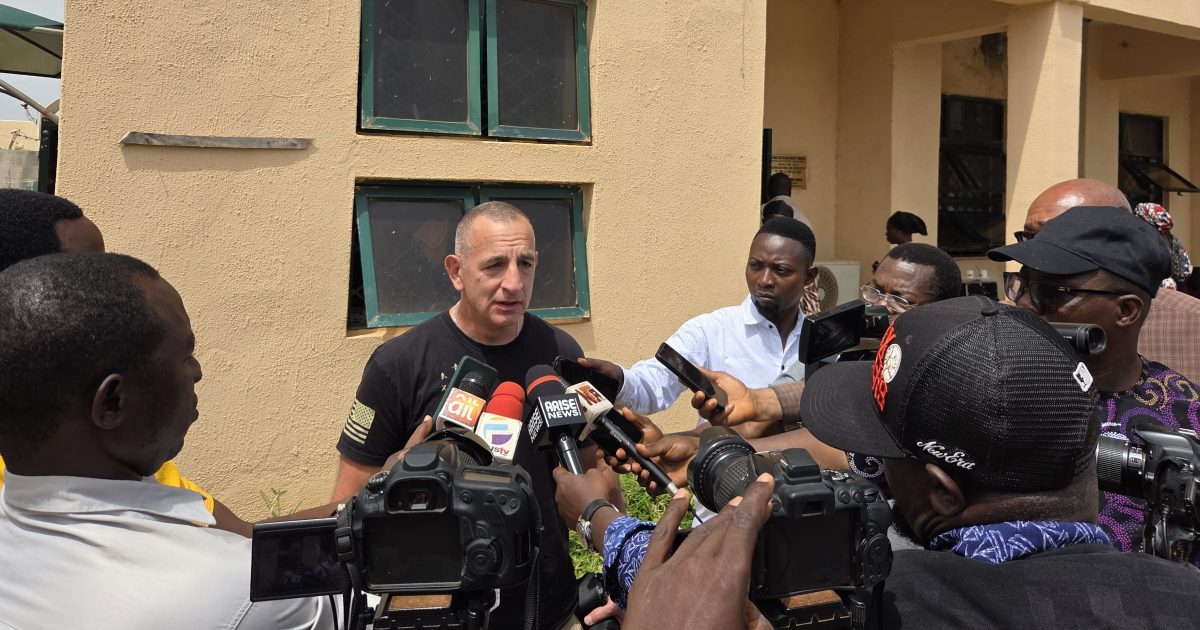
On May 8, while sitting at aChristian conferencein Nigeria preparing to interview victims ofFulani and jihadistattacks, I received a message from one of the local men helping me during my mission that 10 Christianshad been killedin the Miango community, where I had visited just two days earlier to report on previous murders and kidnappings.
Just minutes later, a member of the Palace Alliance, which is co-sponsoring the event with the Christian Awareness Initiative of Nigeria (CHAIN), came and told me that three Christians had recently been kidnapped and that one had escaped. The escapee reportedly said that one of the others had been killed, the body hacked apart, and the two remaining survivors forced to eat the raw meat.
We were waiting to verify the story before I left the conference to interview the survivor at a hospital 35 minutes away.
A similar situation occurred just two days earlier when I woke up to find out that Christians had been killed in a nearby community. While I was writing up the story, reports came inthat the funeralhad been attacked. Simultaneously, the Fulani launched an attack on a different village that I had not yet visited or even heard of.
The killings and kidnappings of Christians are a daily occurrence in Nigeria. The situation is so severe that the international media generally reports only on the most extreme cases, where the number of victims reaches into the hundreds. Local media reports, including posts from Facebook and Instagram users, circulate among Christians across the country, but even locals are becoming numb to the violence.
I have only been here a few days, and already, when they told me that 10 Christians had been killed while I was sleeping, my first instinct was, “Well, it’s only 10. Maybe I won’t report on it.”
Father George, a Catholic priest in a community that experienced abductions almost every day last year, said of the attacks, “One of the ironies is that we have become fatigued from complaining. Violence against us has become a daily, normal thing. Even we, the victims, have normalized it. When you hear that 10 people have been killed, it is no longer shocking news. Because it happens constantly, we have lost the sense of shock. When we hear it now, it feels normal.”
While I was reporting from Jos and Kaduna, attacks were occurring across the country. On May 3 in Benue State, four young men wereambushed and killedaround 7:30 a.m. along the Odugbeho–Aila road in Agatu County as they traveled to a nearby market. A fifth Christian was killed the same day in a separate incident in Gwer West. That same evening in Plateau State, Fulani gunmenkilled five Christiansin Fan village, Barkin Ladi County, ambushing them as they returned home from work. Community leader Rwang Tengwong confirmed that all residents of Fan village are Christians.
The Morning Star News report documenting the Fan village attack also recorded 11 Christians killed and five injured across three villages in Barkin Ladi County over the preceding two weeks.
Parallel to the Fulani attacks across the Middle Belt, the Islamic State West Africa Province (ISWAP) and Boko Haram operate further north, targeting both government forces and Christian villages. In the early hours of May 7, ISWAP attackedFOB Magumeri, a forward operating base in Borno State roughly 35 kilometers from Maiduguri, under cover of darkness.
Source: The Gateway Pundit