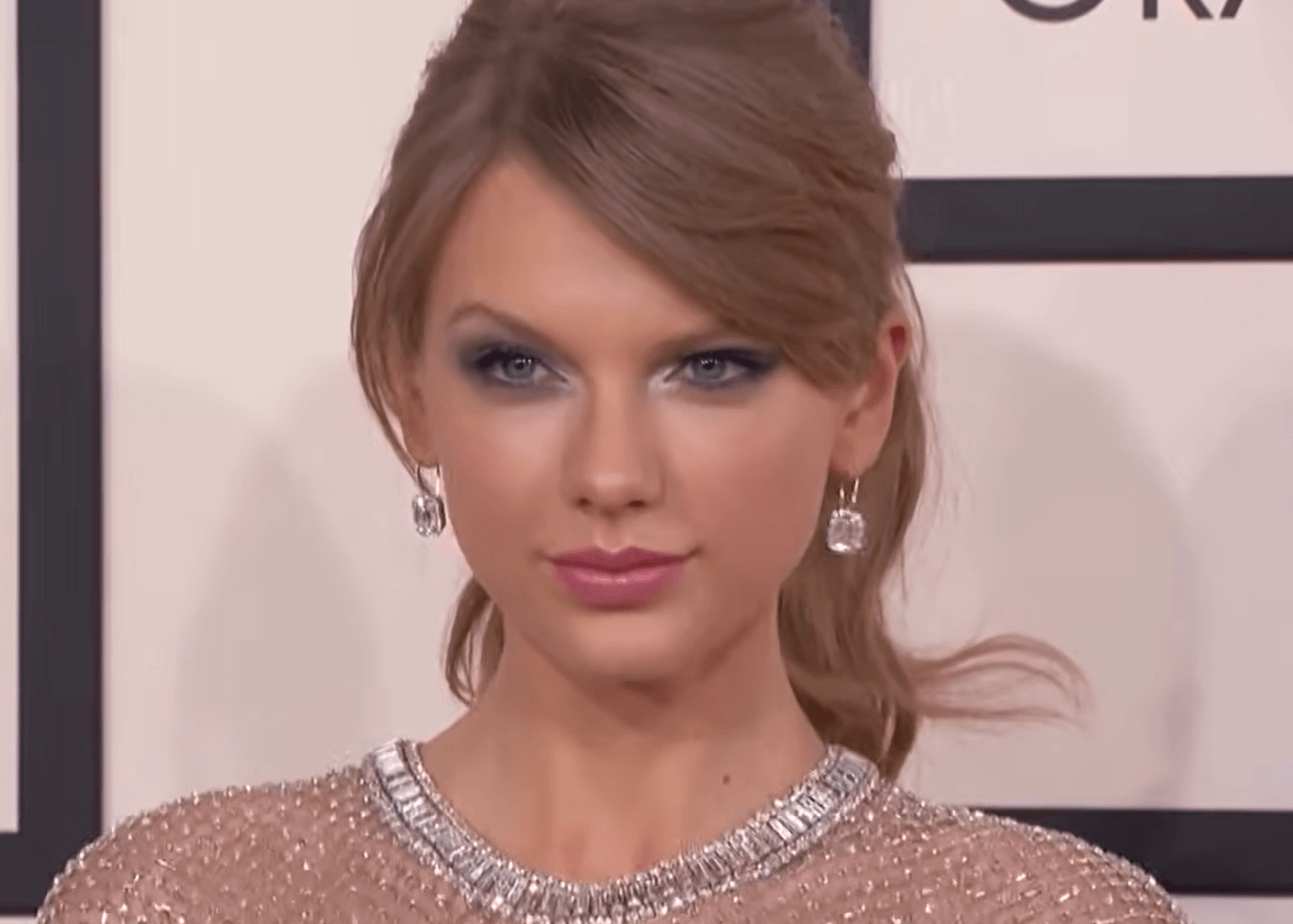
The Taylor Swift trademark lawsuit is quickly turning into one of the pop star's most explosive legal battles in recent years, with Swift's attorneys now accusing a former Las Vegas showgirl of trying to capitalise on the singer's fame while allegedly infringing on Swift's own intellectual property.
At the centre of the dispute is Maren Flagg, a performer professionally known as Maren Wade, who filed a lawsuit against Taylor Swift in California federal court earlier this year over the title of Swift's upcoming project, 'The Life of a Showgirl.'
As reported byVariety, Flagg claims the title infringes on her long-running trademark, 'Confessions of a Showgirl,' which she registered in 2015 and has used for cabaret performances, a podcast, and a newspaper column.
But Swift's legal team is now pushing back aggressively, calling the case 'absurd' and accusing Flagg of attempting to build publicity off Swift's global brand.
Taylor Swift's Attorneys Fire Back in Trademark Lawsuit, Calling Ex-Vegas Showgirl's Claims of Infringement 'Absurd'https://t.co/WL2Lnm2omG
In a sharply worded court filing submitted Wednesday, Swift's attorneys argued there is virtually no chance consumers would confuse the two brands, despite the similarities in wording.
'Plaintiff attempts to broadly lump her cabaret show and defendants' musical album together as 'entertainment services.' That comparison is absurd,' the filing states.
The response was filed by attorneys Max N. Wellman, J. Douglas Baldridge, and Katherine Wright Morrone on behalf of Taylor Swift, TAS Rights Management, UMG Recordings, and Bravado International Group Merchandising Services.
The filing also appeared to take direct aim at Flagg's career profile, contrasting Swift's stadium tours with what the attorneys described as smaller cabaret performances held at venues including a '55+ active community,' an 'RV & Golf Resort,' and a '90-seat cabaret-style venue.'
That language immediately fueled online debate surrounding the Taylor Swift showgirl lawsuit, with some social media users calling the filing unnecessarily harsh while others defended Swift's legal strategy.
Source: International Business Times UK