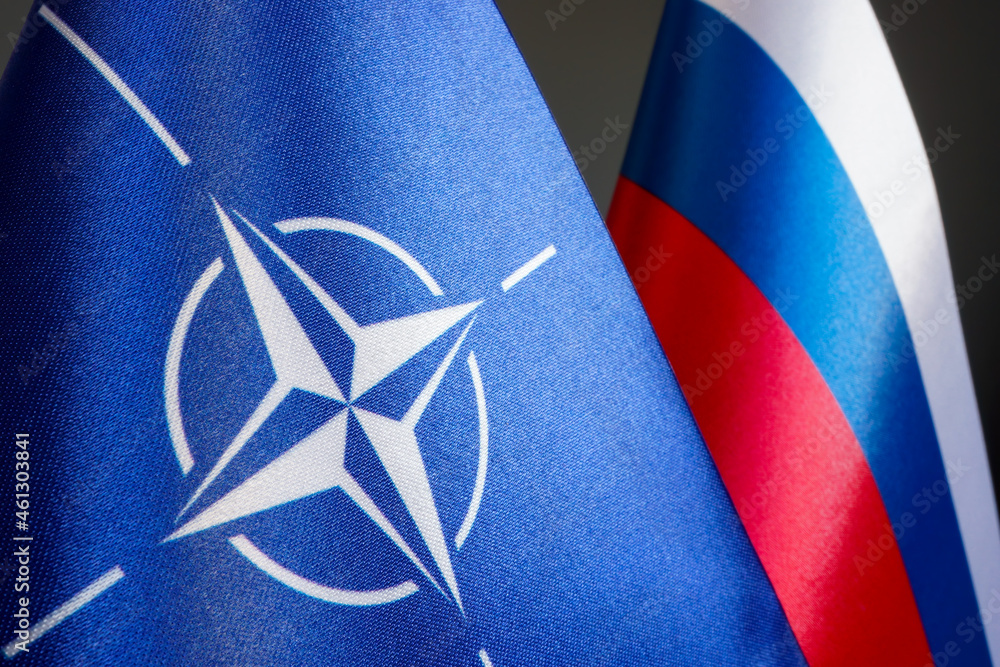
In a bold escalation of its military posture, NATO is pushing for the creation of a dedicated "War Bank" to finance defense initiatives as tensions with Russia intensify across Eastern Europe. The proposal, floated by alliance leaders during recent high-level talks in Brussels, aims to pool billions in funding from member states specifically for armaments, infrastructure, and rapid-response capabilities. Critics have quickly dubbed it a "war chest on steroids," warning it could lock the West into perpetual conflict footing.
The initiative comes amid heightened alerts over Russian military maneuvers near the Baltic states and continued support for Ukraine's defense against Moscow's invasion. NATO Secretary General Jens Stoltenberg highlighted the need for "financial firepower" to match adversaries, citing Russia's war economy bolstered by alliances with China and Iran. Under the plan, the bank would issue bonds and loans backed by NATO guarantees, targeting €100 billion in initial capital to procure advanced weaponry like F-35 jets, missile defenses, and cyber tools.
Contextually, this move builds on NATO's existing mechanisms, such as the €50 billion Ukraine aid package secured last year, but formalizes a permanent structure outside traditional budgets. Proponents argue it's essential for deterrence, pointing to Russia's hypersonic missile deployments and hybrid warfare tactics in the Arctic and Black Sea. Yet, eastern flank nations like Poland and the Baltics are driving the urgency, having already boosted their own defense spending beyond the alliance's 2% GDP target.
Reactions have been polarized. Western European holdouts like Germany and France express fiscal caution, fearing it undermines the European Investment Bank’s civilian focus, while U.S. officials quietly endorse it as a way to share the burden. Russian Foreign Minister Sergey Lavrov condemned the bank as "provocative militarization," accusing NATO of engineering a new Cold War. Domestically, populist voices in alliance countries decry it as elite warmongering amid economic strains from inflation and energy crises.
Analysis suggests the "War Bank" could reshape global security finance, potentially rivaling institutions like the World Bank by prioritizing strategic autonomy over development aid. If approved at the upcoming NATO summit, it might accelerate rearmament across Europe, signaling a shift from post-Cold War peace dividends to sustained confrontation. For now, the proposal underscores a alliance at a crossroads, balancing unity against the specter of direct great-power clash.
