Labour's local election losses have quickly turned from an uncomfortable warning into something far more politically dangerous. Across England and Wales,Nigel Farage's Reform UK has cut through former Labour strongholdswith startling speed, exposing the fragility beneath Sir Keir Starmer's electoral coalition less than two years after Labour swept into government.
By Friday morning, Labour had already lost control of eight councils, including Hartlepool, Wigan and Tameside. Reform supporters celebrated openly as results rolled in from northern towns and Midlands authorities that once formed the backbone of Labour's local dominance. What cannot be ignored is how broad the revolt now looks.
Reform UK's gains were not confined to isolated protest pockets. The party picked up seats in Bolton, Salford, Halton and Tamworth, while taking full control of Newcastle-under-Lyme from the Conservatives and seizing Havering in outer London.
In Hartlepool,Reform won all 12 contested seats.That clean sweep landed heavily inside Labour circles because the town has already become symbolic of the party's erosion among working-class voters over the past decade. This time, the damage spread wider.
Pollsters suggested Labour could lose more than 1,500 council seats before counting concludes. Reform had already gained more than 300 councillors by mid-morning on Friday, with stronger performances still expected in county councils declaring later in the day.
Nigel Farage described the results as a 'historic shift in British politics.' It was not difficult to see why. Reform is no longer behaving like a fringe insurgency built around media moments and protest votes. The party is constructing a genuine local base, and that matters.
Ipsos pollster Keiran Pedleycalled Reform's performance 'highly significant' because it demonstrates support stretching well beyond isolated anti-establishment areas. The party is winning in northern England, parts of the Midlands and southern councils where the Conservatives once dominated comfortably.
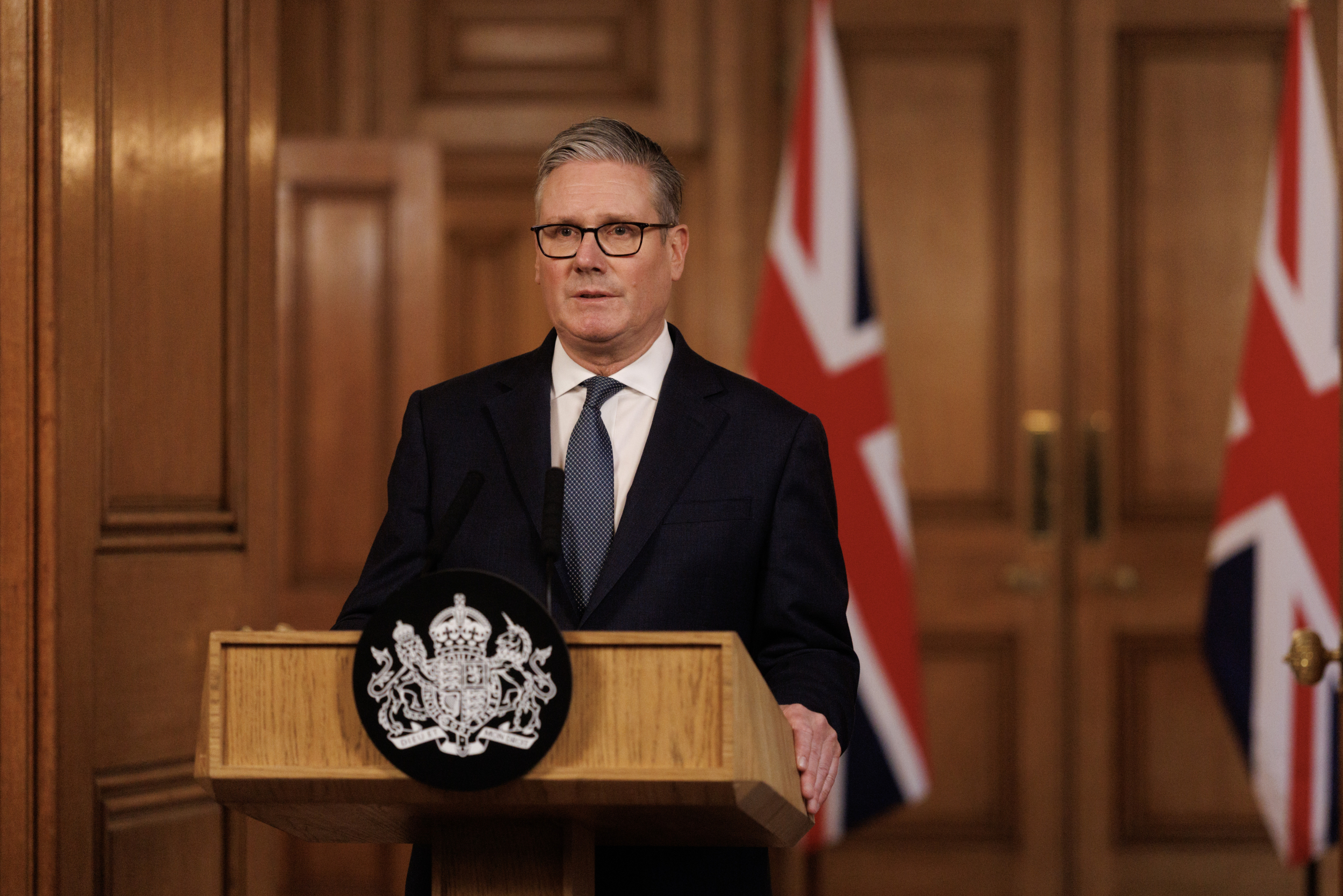
Sir Keir Starmer attempted to project resilience as the scale of the losses became clearer.
'I'm not going to walk away from those challenges,' the prime minister said on Friday morning, admitting voters had sent Labour 'a message about the pace of change.'
The problem for Starmer is that discontent inside Labour no longer sounds private or manageable. Senior figures from multiple wings of the party used the election fallout to question Labour's direction with unusual bluntness.
Source: International Business Times UK
