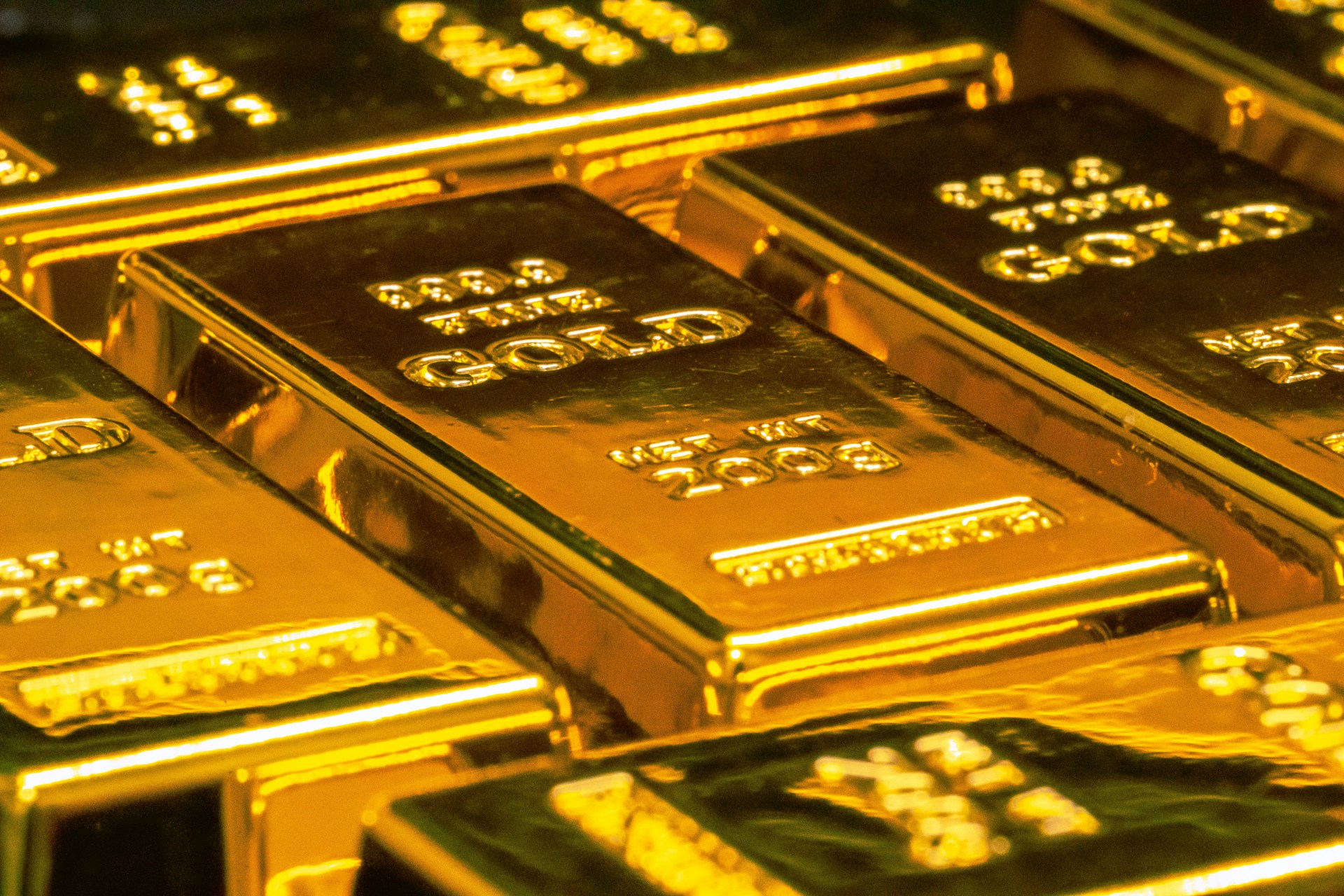
Gold is popularly used as a hedge against inflation and market volatility. Intrinsic factors like its universal demand, scarcity, exchangeability, and even industrial uses appeal to investors worldwide.
Gold prices gained during early trading hours on Friday to hover around $4,720 per ounce. Both gold and silver prices reached new records in 2025, but prices crashed since the onset of the Middle East conflict. Factors like potential for higher interest rates, a strong US dollar from higher oil prices, and profit-booking activity by traders also mounted pressure on precious metals prices.
However, emerging reports that the US is close to reaching a peace agreement with Iran could trigger another rally in gold prices in the near term. While gold's 'safe haven' reputation was tested in recent weeks, Indosuez Wealth Management's Francis Tan told CNBC that 'gold as a safe haven certainly has played its part,' adding that investors with some allocation in gold during March, when equities were in the red, experienced 'pretty strong returns'.
'A peace deal would suggest those tailwinds ease off and we are seeing that just now. It's as if the handbrake has been released from gold and silver,' Tan stated.
Meanwhile, BNP Paribas Fortis' Philippe Gijsels sees that pullback in gold and silver prices as a 'consolidation phase'.
'This time around, precious metals have shown a strong correlation with equities. Both were mostly hurt by fears inflation would drive up interest rates. In our world, interest rates are like gravity. When interest rates rise, gravity increases and all assets are pulled down, including precious metals,' he told CNBC.
Gijsels believes the recent downturn in precious metals was not the end but a 'pause in what will live up to be thestrongest and longest bull market in gold and silver in history.' He expects the 'secular bull market in gold and silver to resume' and prices to reach new all-time highs potentially this year.
Experts believe central banks buying gold, rising US debt, and currency debasement will continue to drive gold prices. Gijsels believes that one must hold 'real assets' like precious metals in a high-inflation environment.
'Central banks and governments will continue to diversify away from US government paper into gold. [And] as the fog of war lifts, investors will come back into the market for gold and silver,' he explained.
Meanwhile, Solomon Global's Paul Williams believes that if a peace deal is finalized, silver would most likely benefit from industrial demand and better economic sentiment.
Source: International Business Times UK