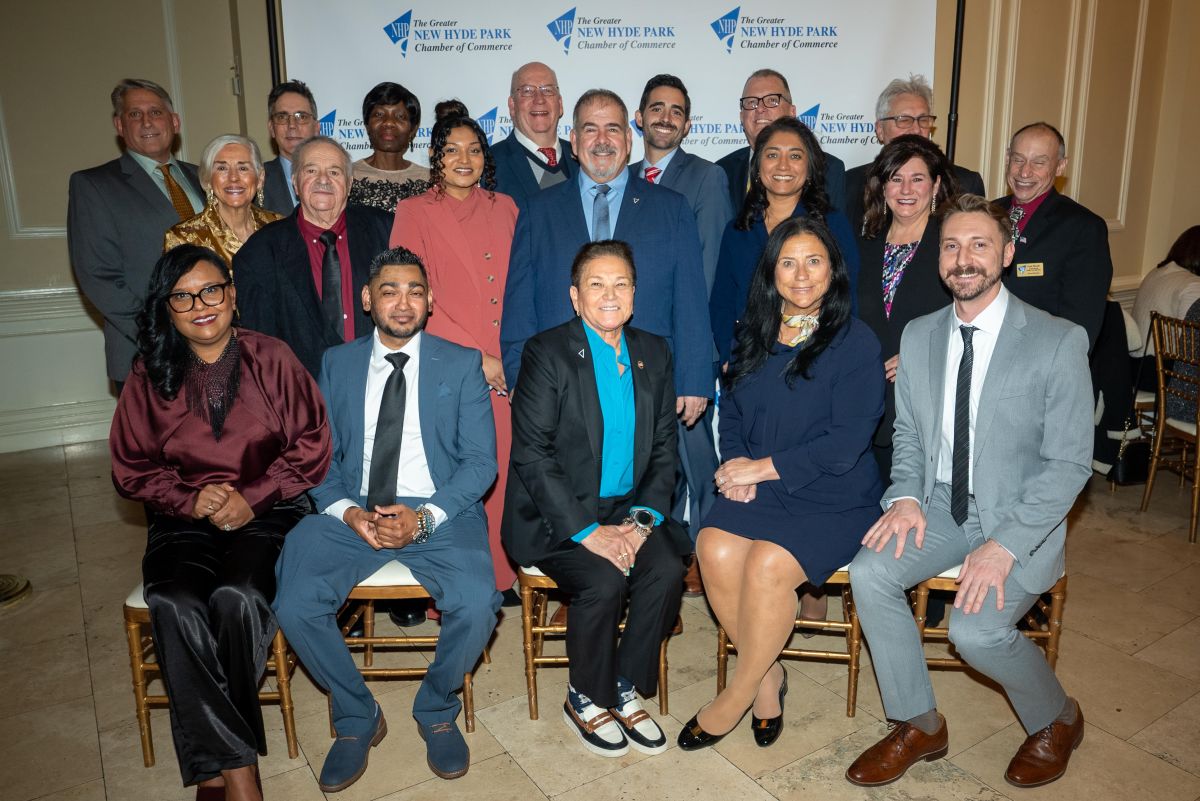
In a packed ballroom at the Long Island Marriott in Uniondale, business magnate and longtime advocate for small enterprises, Maria Gonzalez, was officially sworn in as the new president of the Long Island Regional Chamber of Commerce on Friday evening. The event, marked by applause from over 300 attendees including elected officials and corporate executives, signals a fresh chapter for the organization amid economic headwinds battering the region's post-pandemic recovery. Gonzalez, a second-generation entrepreneur who built a chain of family-owned restaurants across Nassau and Suffolk counties, pledged to champion deregulation and workforce development in her inaugural address.
Gonzalez succeeds retiring president John Hargrove, who helmed the chamber for 12 years and steered it through the COVID-19 crisis, securing millions in federal relief for local businesses. During the ceremony, Hargrove received a standing ovation and a plaque honoring his efforts in lobbying Albany for tax incentives that preserved thousands of jobs. "John's legacy is one of resilience," Gonzalez said, her voice steady as she gripped the podium. "But today, we face new battles—skyrocketing energy costs, labor shortages, and a regulatory thicket that's choking innovation."
The transition comes at a pivotal moment for Long Island's economy, where manufacturing and tech sectors are vying for dominance against New York City's gravitational pull. Gonzalez, 52, brings a no-nonsense approach honed from her service on the chamber's board and her vocal criticism of what she calls "overreach" from state environmental mandates. Sources close to the organization say her election by a wide margin reflects members' frustration with bureaucratic hurdles, including recent pushes for stricter building codes and minimum wage hikes that have squeezed margins for retailers and hospitality outfits.
Local leaders were quick to endorse the shift. Suffolk County Executive Steve Bellone praised Gonzalez as "a fighter for the forgotten businesses on Main Street," while Nassau Comptroller Bruce Blakeman highlighted her potential to bridge divides in a polarized political landscape. Yet, not all reactions were unanimous; progressive activists have already voiced concerns over Gonzalez's past opposition to diversity quotas in hiring, labeling it out of step with modern corporate values. The chamber, representing over 1,800 members, dismissed the critiques, emphasizing its focus on economic growth over cultural debates.
Looking ahead, Gonzalez outlined a three-pronged agenda: forging public-private partnerships for vocational training, advocating for streamlined permitting processes, and expanding the chamber's footprint into emerging industries like biotech and green energy—provided they don't saddle businesses with undue costs. Analysts predict her leadership could reinvigorate lobbying efforts in Albany and Washington, potentially influencing the 2026 state budget cycle. As Long Island grapples with inflation and housing affordability, the chamber's new helm may prove decisive in shaping the region's competitive edge.
