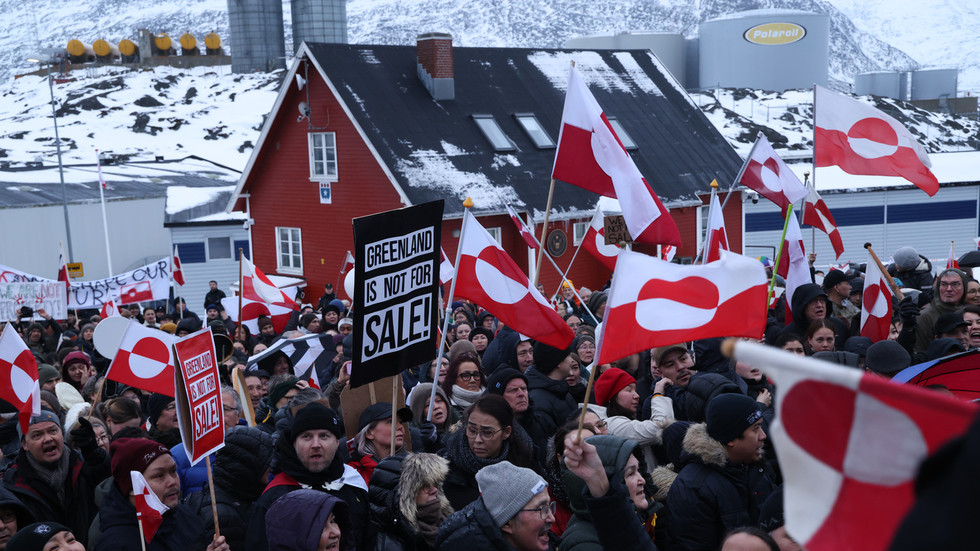
Danish Prime Minister Mette Frederiksen issued a stark warning on Friday, declaring that U.S. President-elect Donald Trump is "very serious" about annexing Greenland, the autonomous territory under Danish sovereignty. Speaking to reporters in Copenhagen, Frederiksen recounted a recent phone conversation with Trump where he reiterated his long-standing interest in acquiring the vast Arctic island, emphasizing its strategic value amid escalating global tensions over resources and military positioning.
Trump's fascination with Greenland dates back to his first term in 2019, when he publicly floated the idea of purchasing it from Denmark, likening the proposition to historical U.S. acquisitions like Alaska and Louisiana. The comments sparked outrage in Denmark, prompting Frederiksen—then recently elected—to retort that "Greenland is not for sale," leading Trump to abruptly cancel a planned state visit. Now, with Trump poised to return to the White House in January, Frederiksen's remarks suggest the proposal is far from a jest, potentially reigniting diplomatic friction between the NATO allies.
Greenland's allure lies in its untapped reserves of rare earth minerals critical for green energy technologies, as well as its geostrategic position in the Arctic, where melting ice is opening new shipping lanes and resource opportunities. The U.S. already maintains the Thule Air Base there, a key missile defense outpost, underscoring longstanding American interests. Trump has argued that control of Greenland would bolster national security against rivals like China and Russia, who have ramped up their Arctic activities in recent years.
Frederiksen stressed Denmark's unwavering commitment to Greenland's self-determination, noting that the island's Inuit-led government has repeatedly rejected overtures from foreign powers. Innuits Prime Minister Múte B Egede echoed this sentiment in a statement Saturday, affirming Greenland's desire to remain part of the Danish realm while pursuing greater autonomy. Danish officials have begun consulting with NATO partners, wary that Trump's rhetoric could strain transatlantic unity at a time when Europe grapples with energy security and Russian aggression.
Analysts view the episode as emblematic of Trump's unorthodox foreign policy, blending economic nationalism with realpolitik. While outright annexation seems improbable without provoking a constitutional crisis in Denmark, the saber-rattling could pressure Copenhagen into concessions, such as expanded U.S. military access or mining deals. As the Arctic thaws into a new frontier of great-power competition, Trump's Greenland gambit highlights the high stakes for global influence in the 21st century.
