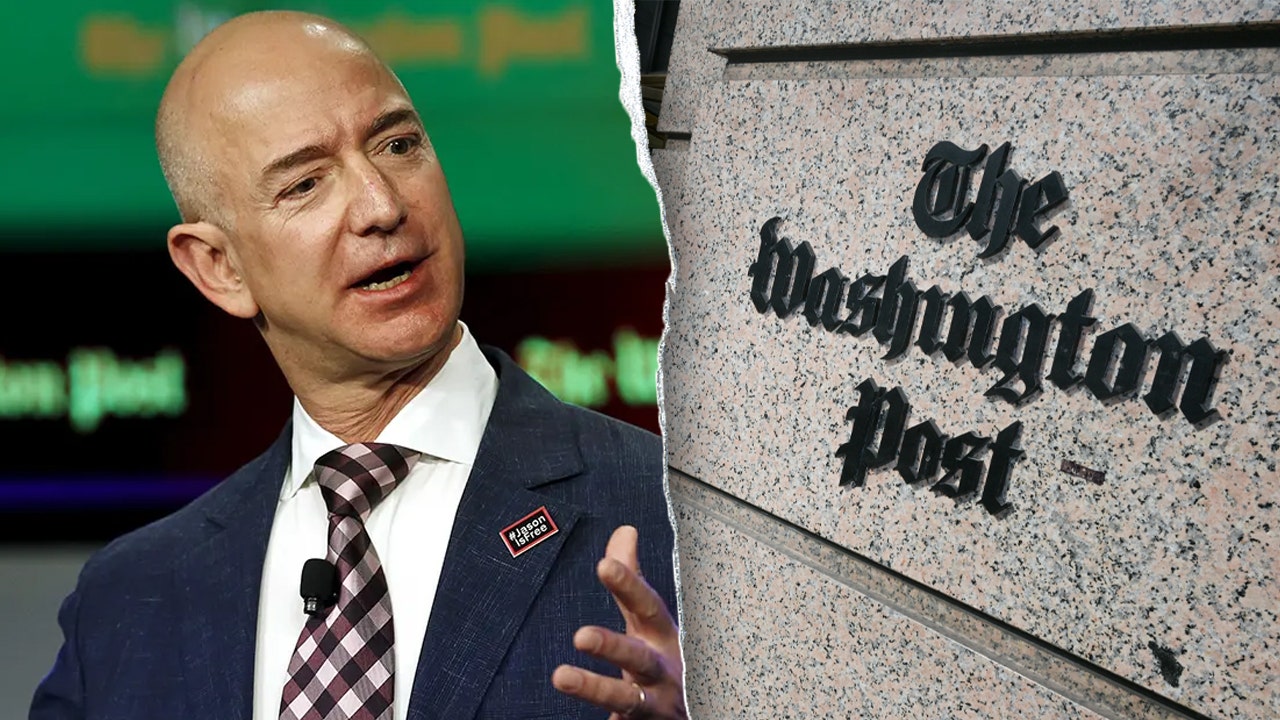
Media critic Howard Kurtz ignited a firestorm in journalism circles this week by urging Amazon founder Jeff Bezos to divest his ownership of The Washington Post, arguing that the billionaire's hands-off approach has fueled the paper's deepening financial and credibility crises. In a pointed column, Kurtz lambasted WaPo's editorial drift under Bezos, claiming the outlet's refusal to endorse Kamala Harris in the 2024 presidential race—coupled with subsequent subscriber hemorrhaging—signals a failure of leadership that only a sale could remedy.
Kurtz, a veteran Fox News analyst and former Post media reporter, detailed WaPo's woes with stark numbers: a reported loss of 250,000 digital subscriptions after the non-endorsement decision, massive layoffs slashing 10% of the newsroom, and ongoing digital ad revenue shortfalls. He accused Bezos of treating the Post as a "trophy asset" rather than a viable business, pointing to the owner's rare interventions—like blocking an endorsement of Trump in 2020—as evidence of inconsistent stewardship. "Bezos bought it for prestige, not profit," Kurtz wrote, suggesting a new owner unburdened by tech mogul baggage could restore balance.
Bezos acquired the 147-year-old institution in 2013 for $250 million, promising editorial independence and investing heavily in digital transformation. Initially, the strategy paid off with subscriber growth and Pulitzer wins, but recent years have exposed vulnerabilities. The Post's overt liberal slant, critics argue, alienated moderates amid polarized media landscapes, while internal upheavals—including the ouster of executive editor Sally Buzbee and clashes over unionization—have eroded staff morale. Bezos himself has remained publicly silent on Kurtz's critique, but a Post spokesperson dismissed it as "uninformed punditry," reaffirming commitment to journalistic excellence.
The call for divestiture resonates amid broader industry turbulence, where legacy outlets like The New York Times thrive on subscriptions while others flounder. Kurtz's proposal echoes debates over billionaire influence in media, from Elon Musk's overhaul of X to Patrick Soon-Shiong's tweaks at the Los Angeles Times. Proponents see a sale as a path to reinvention, potentially attracting investors like Marc Benioff, who bought Time magazine, or even conservative buyers eyeing a counterweight to coastal bias. Detractors warn it risks further politicization, turning WaPo into another culture war battleground.
As The Washington Post grapples with its identity in a post-2024 election world, Kurtz's bold recommendation underscores a pivotal question: Can a profit-driven visionary like Bezos salvage a prestige-driven enterprise, or is it time for fresh blood? With print dying and digital Darwinism ruling, the fate of this American journalistic icon hangs in precarious balance, testing the limits of ownership in an era of unrelenting scrutiny.