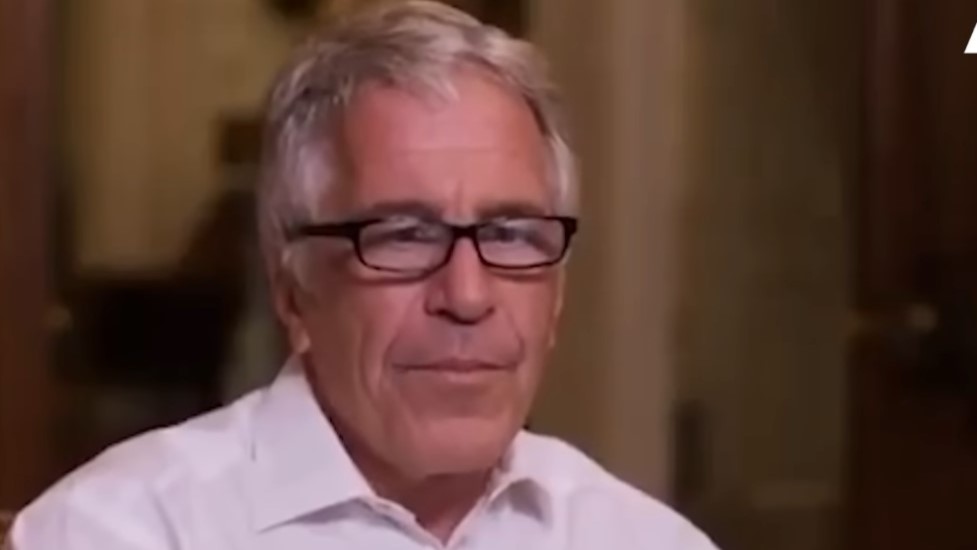
A pivotal FBI interview that reportedly named a co-conspirator in convicted sex trafficker Jeffrey Epstein's criminal network is entirely absent from newly released government files, raising fears of a deliberate cover-up. Victims and legal experts are crying foul after theDepartment of Justice's disclosure of millions of pages of records tied to Epstein's case failed to include crucial interview summaries with survivors that could shed light on alleged associates.
Rather than clarifying the decades-long investigation, themissing documentationhas deepened public suspicion about what remains hidden behind heavy redactions.
When the Justice Department began publicly releasing records under the Epstein Files Transparency Act, attorneys, advocates, and members ofCongresshoped a fuller picture of the convicted sex trafficker's operations would emerge.
Yet survivors were dismayed to discover that manyFBIinterview summaries, known as FD-302 forms, are absent from the files now available online. These documents normally contain detailed accounts of what a witness or victim told agents and can include names, timelines, and evidence linking individuals to wrongdoing—including potential co-conspirators named by victims themselves.
One survivor whose interview reportedly identified an Epstein co-conspirator claims the FBI's version of her interview is nowhere to be found in the released dataset. The omission has led critics to argue that the prosecutor's office is withholding evidence that might implicate influential figures linked to Epstein's sex trafficking network.
The recently disclosed trove of documents has been criticised for its heavy redactions, bizarre omissions, and gaps that defy standard investigative practice. Even as tens of thousands of pages became public, records that typically outline investigative reasoning—including internal Justice Department memos on charging decisions—remain missing or blacked out entirely.
Although some internal FBI communications from 2019 show references to '10 co-conspirators', in which names such as billionaire Leslie H Wexner were at one point redacted and later disclosed, many potentially significant names and interview results are still withheld.
Advocates note that without the full set of interview summaries, the remaining files offer an incomplete and confusing picture. Multiplereportssuggest that even when redacted files were briefly posted, several disappeared from the DOJ's public repository within a day—a situation that has only compounded suspicions of intentional concealment.
Central to the uproar is the alleged identification of individuals who may have participated in or facilitated Epstein's sex trafficking operation. Epstein's network, by most accounts, extended beyond him alone, and victims have long asserted that others profited or played roles in recruiting and transporting minors for sex acts.
Whilst some critics argue there is insufficient evidence to charge powerful men based on currently released materials, the absence of specific victim interview summaries has left a void in the public record that could otherwise inform accountability.
Source: International Business Times UK
