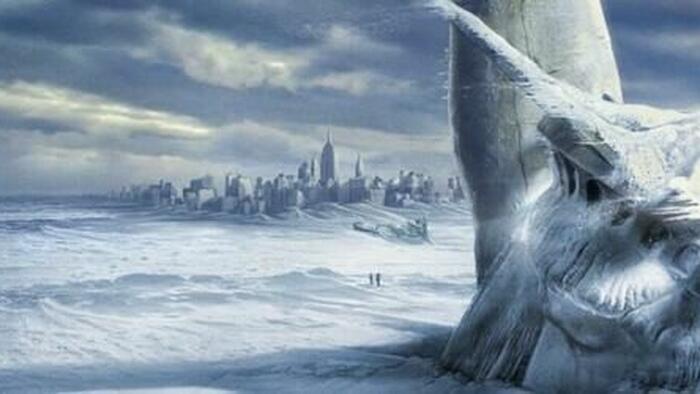
The IPCC has published a new generation of climate scenarios - and buried in the fine print is a remarkable concession:the extreme warming pathways that dominated climate research, policy, and media coverage for decades were never actually plausible. It took a while to notice because almost no one in mainstream media bothered to report it.
"The Intergovernmental Panel on Climate Change (IPCC) has just published the next generation of climate scenarios,"Science policy analyst Roger Pielke Jr.wrote, calling it"big news" that "eliminated the most extreme scenarios that have dominated climate research over much of the past several decades."
The conclusion was unambiguous. "The IPCC and broader research community has now admitted that the scenarios that have dominated climate research, assessment and policy during the past two cycles of the IPCC assessment process are implausible. They describe impossible futures."
Those "impossible futures" formed the backbone of a decade-plus of apocalyptic climate messaging - melting ice caps, submerged coastlines, mass extinctions, widespread crop failures, and global hunger, always around the corner, always demanding immediate, economy-reshaping action to avert a catastrophe that, it now turns out, the underlying science community had assigned to a category closer to science fiction than projection.
The new IPCC framework formally demotes its remaining "HIGH scenario" from expected outcome to "exploratory - a thought experiment, not a projection."
That's a significant institutional retreat.
Pielke noted that the previous framework lacked "any systematic effort to evaluate plausibility of scenarios," meaning the scariest pathways were able to dominate the policy debate for years without anyone in the room applying a basic reality check.
What matters today is that the group with official responsibility for developing climate scenarios for the IPCC and broader research community has now admitted that the scenarios that have dominated climate research, assessment and policy during the past two cycles of the IPCC assessment process are implausible. They describe impossible futures.
Curiously, the revised framework was technically adopted back in 2021, but has only now filtered into public view as related technical and institutional changes caught up. And it’s fair to ask why. The policy consequences of those “impossible futures” were very real.
As theDaily Sceptic'sChris Morrisonopines;
Source: ZeroHedge News
