Authored by Petr Svab via The Epoch Times,
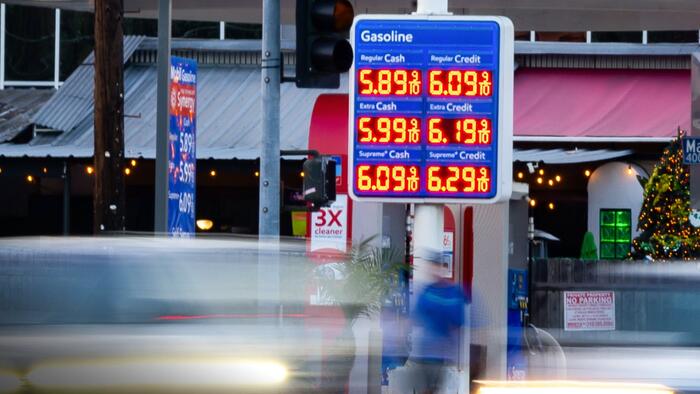
Average gas prices in the United States have gone up by almost 40 percent since March 1.
The reason appears straightforward:Iran has blocked the Strait of Hormuz in response to the U.S. military operation that decapitated its regime and degraded its military. Hundreds of tankers trapped behind the strait cannot deliver their oil, depriving the world of 7 percent to 10 percent of its supply.
Although that explains drastic price increases and even shortages in Europe and Asia, the United States gets almost no oil through the strait. In theory, the country should be energy-independent, as it is a net petroleum exporter.
But in reality, the United States is highly intertwined with the global oil market, and there is little chance it could disentangle itself from it,according to experts who spoke to The Epoch Times.
“Oil is a fungible commodity that can be shipped anywhere in the world, and that is why everyone is impacted by the events,”said Patrick De Haan, petroleum analyst with gas price tracker GasBuddy.
Countries facing shortages are willing to pay top dollar for U.S. oil.
“There’s huge demand to export the product,“said Paul Sankey, an oil market analyst and president of Sankey Research.
If the U.S. government were to impose limits on oil exports, it would likely cause more problems than it would solve, the experts said.
Not all crude oil is made the same. The oil produced in the United States through fracking is called “light sweet.” It is the easiest to refine and contains few impurities such as sulphur.
Source: ZeroHedge News