Visitors to the Monterey Peninsula this summer may be unwittingly participating in an AI experiment to determine how fast or slow they arrive at their destination.
It is a big bet that county transportation officials, in conjunction with Caltrans, are making: an AI signal system pilot program that could eliminate the need for roundabouts along the same corridor.
This week, Caltrans launched theAI signal programalong the storied Highway 68 corridor, which connects the farmlands of Salinas to the ocean shores of Monterey and acts as the main feeder into the area from Highway 101. Adaptive traffic signals are now live between the heavily trafficked 9-mile stretch from San Benancio Road to Josselyn Canyon Road.
Article continues below this ad
The change isn’t visible to the human eye, but whether traffic flows better during the height of the oncoming busy season should be very apparent to all who attempt to navigate their way to their destination, local transit officials said.
“We put it in this week, so it’s in play now,” Doug Bilse, the principal engineer for the Transportation Agency for Monterey County, told SFGATE on Wednesday. “It went live on Tuesday, yesterday. We were analyzing it yesterday, and there’s still some bugs to work out, but it was working. It’s a work in progress. It’s a pilot project we’ll be evaluating for five years.”
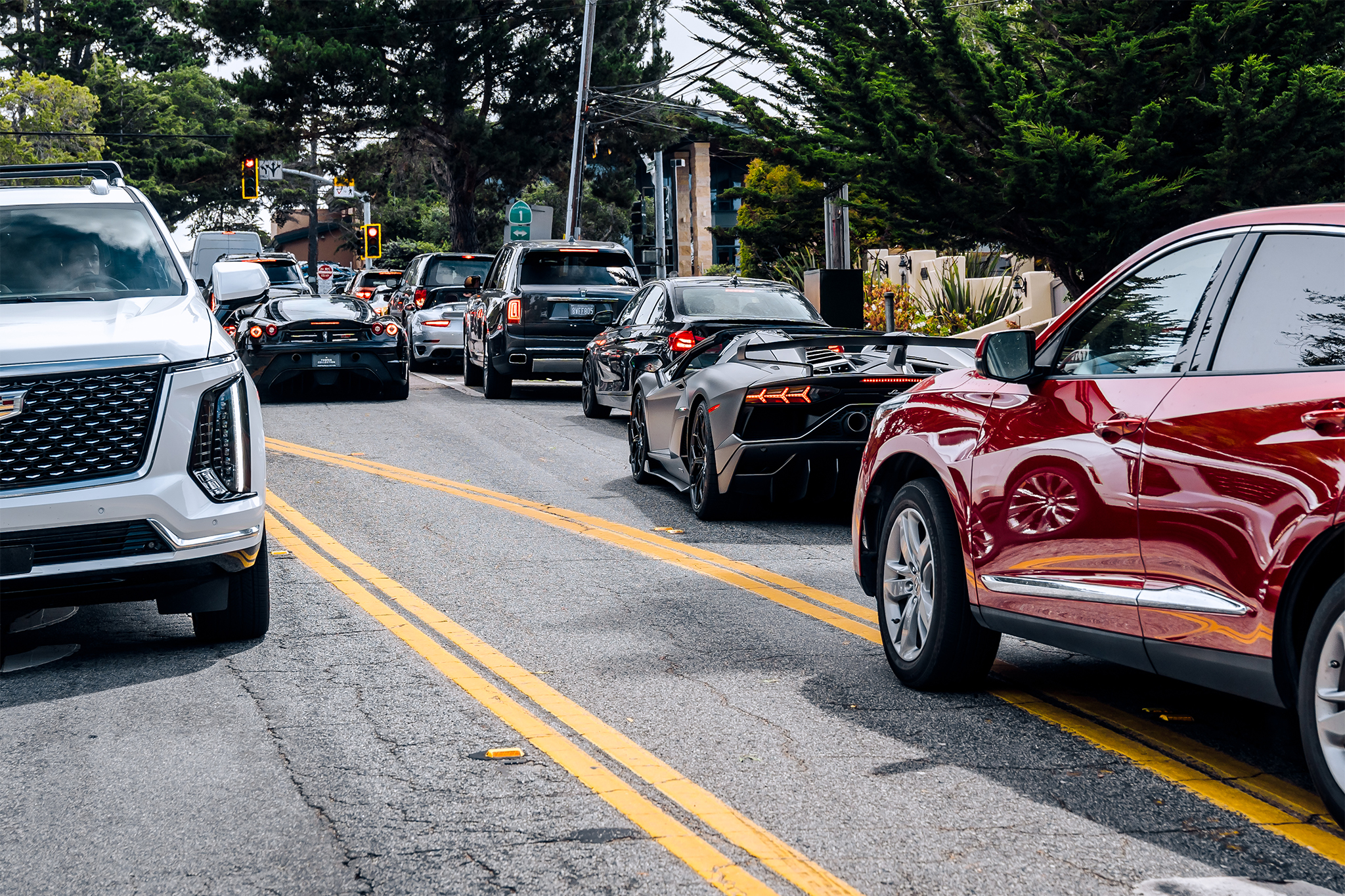
Traffic in Monterey, Calif., on Aug. 20, 2025.
The program deploys adaptive traffic signals, traffic lights that use a combination of AI and sensors that determine and automatically adjust to the current flows of traffic.
Article continues below this ad
Bilse said that the timing for the program’s start — on the cusp of the busy summer travel season — is by design. “In a couple weeks when school lets out, when Laguna Seca has an event or anything unexpected happens, that’s where adaptive shines,” he said.
Source: Drudge Report
