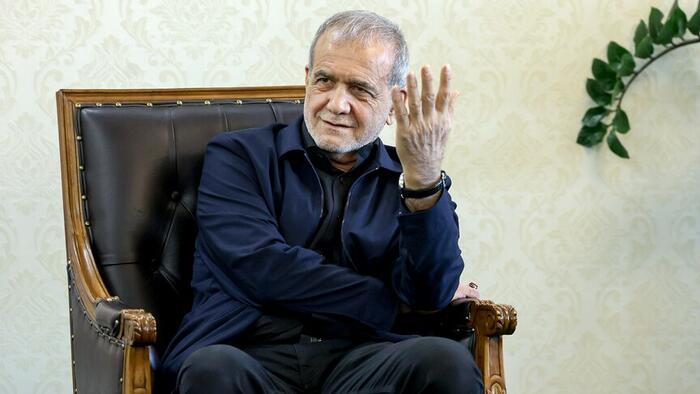
Iran has told other regional countries that it isready to 'prove' that its nuclear program is peaceful in nature, and that it is willing to meet international standards in that regard, according to the Iranian presidency.
This comes as Iran's Foreign Ministryhas insistedthat the nuclear issue be left out of talks related to ending the war with the US, with a statement saying that"at this stage, we do not have nuclear negotiations"- but which remains a key demand by Washington.
Within years after the first Trump administration unilaterally pulling out of the earlier Obama JCPOA nuclear deal, the Iranians hadbooted IAEA inspectors from the country, citing that the deal was collapsing due to Washington policies, which included the reimposition of far-reaching sanctions.
The appeal for international verification that its program is for peaceful nuclear energy and domestic consumption comes via Turkish media thisweek:
Iran is fully prepared to meet global standards to demonstrate the peaceful nature of its nuclear program, the presidency saidon Tuesday.
The remarks came during a phone call between President Masoud Pezeshkian and Iraqi Prime Minister-designate Ali al-Zaidi, according to a statement from Iran’s presidency.
Pezeshkian said Iran had shown full readiness in all negotiations to offer assurances within the framework of international regulations and global monitoring mechanisms. He criticized what he described as contradictory US policies, saying Washington continues to apply pressure while simultaneously calling for negotiations.
Iraq's Zaidi in turn said Baghdad is prepared to support de-escalation efforts and could host talks between Iran and the United States, according to the statement. Iraq itself has been deeply impacted by the war, and Iran has even fired ballistic missiles and drones on the north, reportedly targeting US troop installations in or near Erbil in Kurdistan.
Also, earlier this week widely a Reuters report raised eyebrows and serious questions related to the effectiveness of the 38-day aerial campaign which saw US-Israel bombs unleashed in the many thousands (combined: some 20,000+ munitions expended) on the Islamic Republic.
"US intelligence assessments indicate that the time Iran would need to build a nuclear weaponhas not changed since last summer, when analysts estimated that a US-Israeli attack hadpushed back the timeline to up to a year, according to three sources familiar with the matter,"the reportlays out."The assessments of Tehran's nuclear program remain broadly unchanged even after two months of a war that US President Donald Trump launched in part to stop the Islamic Republic from developing a nuclear bomb," it continued.
Source: ZeroHedge News
