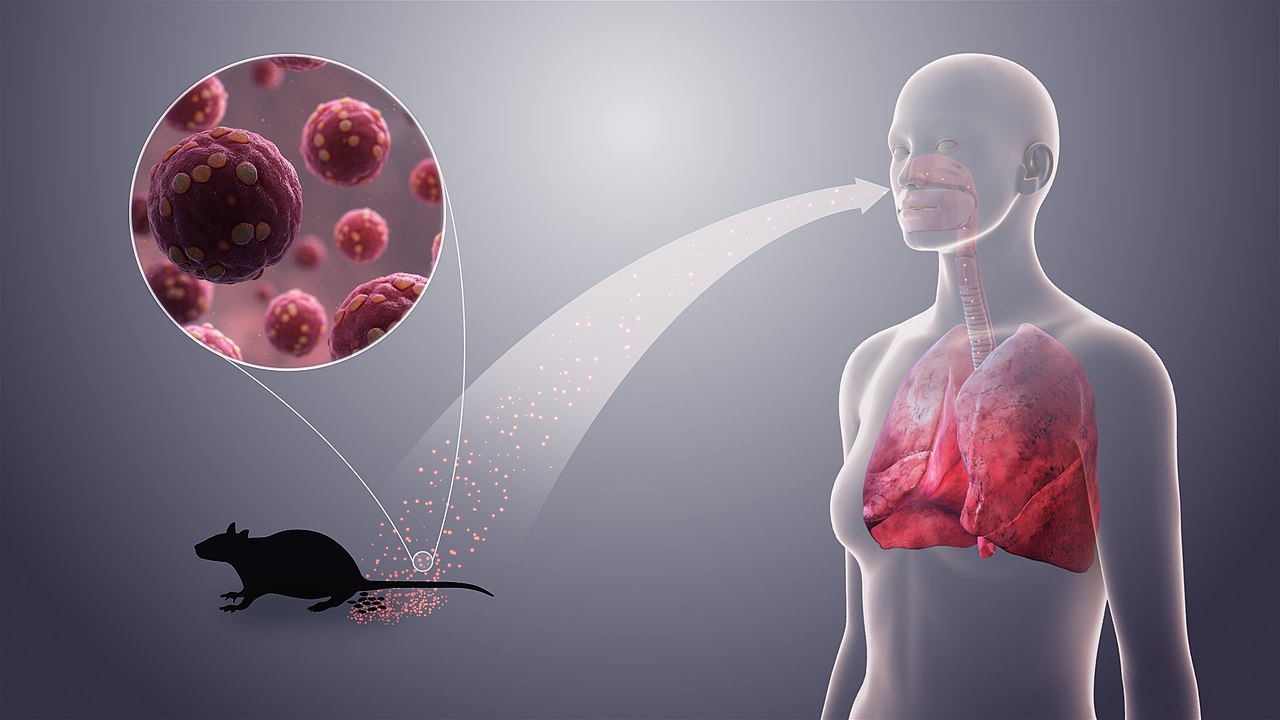
Argentina has launched a widening Hantavirus origin investigation after adeadly outbreak aboard the MV Hondius cruise shipleft three passengers dead, others critically ill, even as international health authorities are racing to trace how a rare rodent-borne virus may have spread across continents.
Officials say the focus is now on whether the infection began in South America before passengers boarded the vessel in Ushuaia in April 2025.
Authorities in several countries are now keeping an eye on passengers who have already left the cruise ship and returned home, including some who are believed to have travelled back to the United States.
Health teams are trying to trace where these people have been and who they may have come into contact with since leaving the MV Hondius.
The World Health Organisation says it is still watching the situation closely, but stresses that the risk to the wider public remains low.
Argentina, where the cruise began, has long had the highest number of Hantavirus cases in Latin America, according to the WHO.
The MV Hondius, a Dutch cruise ship heading to Antarctica, became a concern after several infections were confirmed on board. That led to emergency evacuations and coordination efforts involving health authorities across at least 5 countries.
The Guardian reported that Argentine health officials are focusing on whether passengers may have contracted the virus before boarding the ship in Ushuaia, a southern port city often called the gateway to Antarctica. The country's health ministry has reported 101 Hantavirus cases since June 2025, about double the number from the year before, officials say, a worrying rise.
Hantavirus, especially the Andes strain found in South America, can cause a serious lung disease called Hantavirus pulmonary syndrome. Health officials say that in the past year, nearly one in three infected people died from it in Argentina.
Investigators are now trying to piece together exactly where passengers went before boarding the MV Hondius on 1 April 2025. Some are reported to have travelled through Argentina, Uruguay and Chile in the days before the cruise, which makes it harder to determine where exposure may have occurred.
Source: International Business Times UK
