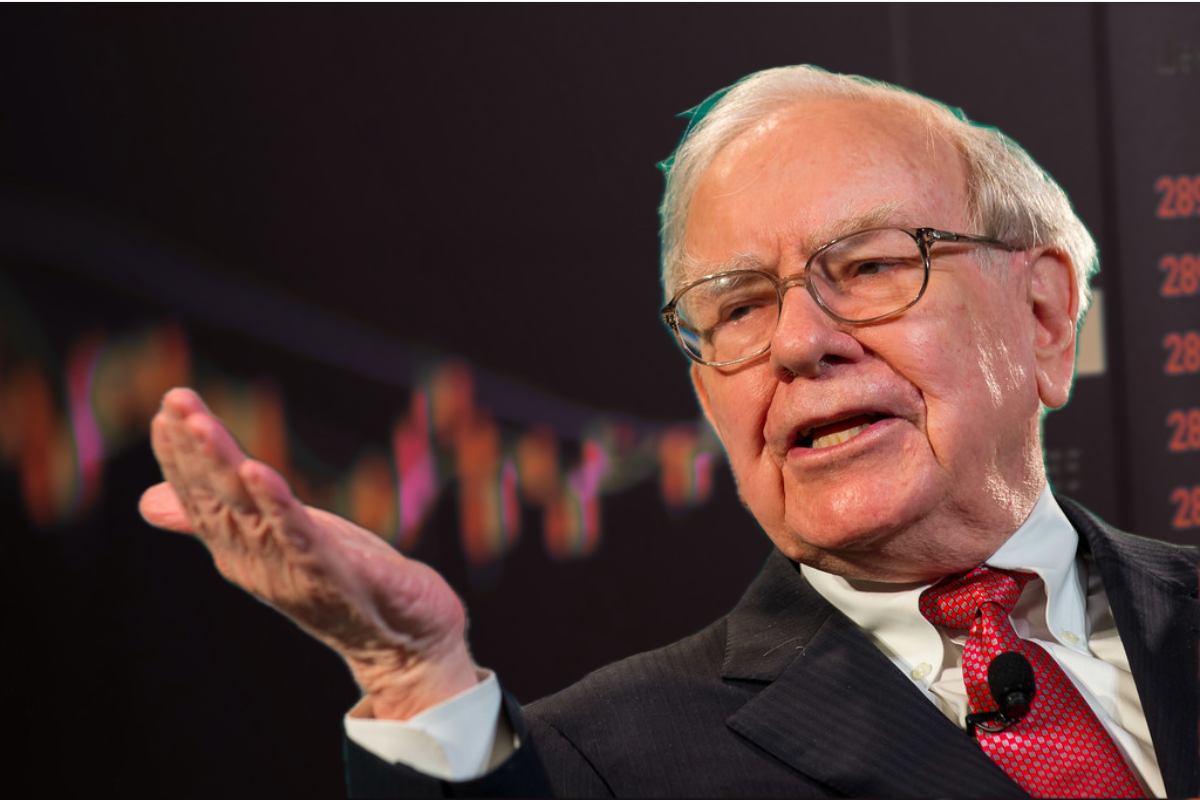
For decades, whenWarren Buffettspoke about markets, Wall Street listened closely. Last weekend in Omaha, even from the audience rather than the stage, the 95-year-old investor reignited one of the sharpest debates in finance this year. Speaking during Berkshire Hathaway's annual meeting, Buffett warned that modern markets increasingly resemble a gambling hall rather than a place for disciplined investing.
ButJim Cramerwas not convinced. Instead of agreeing with Buffett's concerns over speculation, Cramer argued that the deeper risk may already sit inside millions of retirement accounts. According to him, investors have become overly dependent on pouring money into S&P 500 index funds without questioning valuations or concentration risks. The disagreement reflects two very different concerns about modern investing — and both carry implications for ordinary savers.
I know Warren Buffett says that we have never had people in a more gambling mood than now, but i think that is not necessarily the case. We are addicted to S&P 500 buying no matter what. We have been taught to love ETFs no matter what kind. If individual stock investing hadn't...
During the annual meeting, Buffett compared today's investment environment to 'a church with a casino attached,' arguing that the casino side has become increasingly dominant in recent years. His criticism focused heavily on speculative products such as zero-days-to-expiration options, commonly known as 0-DTE trades. These contracts allow traders to bet on intraday market swings within hours.
Speaking to Becky Quick on CNBC, Buffett dismissed the activity as detached from traditional investing principles. 'That's not investing. It's not speculation. It's gambling, just totally.'
Buffett also pointed to the rise of prediction markets and short-term trading culture online, arguing that many investors are chasing rapid profits rather than long-term value creation. The cautious stance is also visible inside Berkshire Hathaway itself. The company ended the first quarter of 2026 holding nearly $400 billion in cash and Treasury bills instead of aggressively buying equities. Buffett noted that genuinely attractive buying opportunities usually emerge during periods of fear and market distress, not during times of broad optimism.
Cramer responded publicly on X, arguing that the bigger issue may be the market's growing dependence on passive investing flows. 'We are addicted to S&P 500 buying no matter what,' he wrote.
Cramer's argument is not that markets are healthy. Rather, he believes passive investing has become so automatic that many investors rarely examine what their funds actually contain. In previous decades, investors typically researched individual companies before making investment decisions. Today, billions of dollars flow automatically into index-tracking ETFs each month regardless of valuation levels.
According to Cramer, that behaviour has created a different kind of herd mentality. He argued that years of discouraging active stock selection pushed investors towards passive strategies that now funnel enormous sums into the same group of mega-cap technology companies.
Market data supports concerns about concentration inside major indices. The Vanguard S&P 500 ETF, commonly known asVOO, attracted roughly $143 billion in inflows during 2025. Across the wider ETF industry, investors added a record $1.46 trillion over the same period.
Source: International Business Times UK
