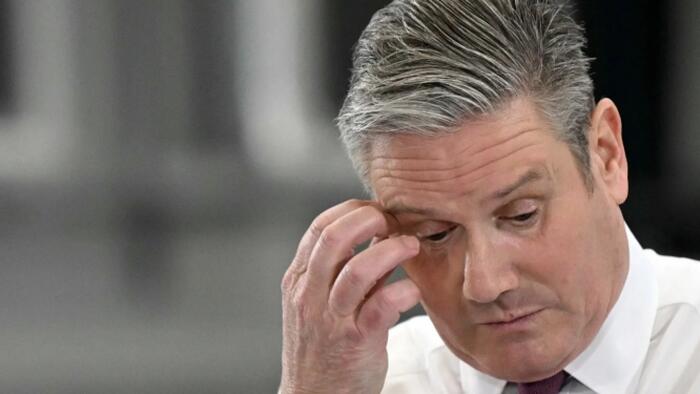
All eyes on UK local elections (Britain's 'Midterms') today.
As JPMorgan's Market Intel desk noted this morning, while the seats up do not influence national policy,Brits have historically used local and regional elections to punish the party in power in Westminster.
Reform UK is expected to come out as the main beneficiary of the elections, with Labour the biggest loser.
The key risk is that Labour’s poor performance causes MPs to push Starmer outin an attempt to improve the party’s standing ahead of 2029 elections.
This could come in the form of a formal leadership challenge or a ministerial resignation that triggers others to follow suit (for the former, Rayner seen as the most likely candidate for now, while Andy Burnham could make another attempt to enter parliament in the summer).
Gilts are especially sensitive to political developments(muscle memory from LDI crisis and the 2024 Autumn Budget) and renewed fiscal concerns could drive further underperformance – risk premia has been building as 30Y yields surged to their highest level since 1998 on Tues, underperforming EA rates by ~35bps since the war.
While risks are skewed bearish for GBP and rates, our economist emphasizes changes to fiscal strategy are not a foregone conclusion.
With the market impact out of the way,LibertyNation.com's Mark Angelides explains below, such small-scale ballots were traditionally focused on garbage collections and potholes, but with the growing disaffection in politics – aimed squarely at the ruling Labour Party and the Conservative Party – politicos and pundits are treating them as a midterm equivalent. And withpotentially the biggest defeat for any establishment party ever as the most likely outcome, UK politics may never be the same again.
Before getting to the almost certain defeat of Sir Keir Starmer’s ruling Labour Party, it’s worth sparing a thought for His Majesty’s loyal opposition, the Conservative Party.
The party of Margaret Thatcher and Winston Churchill, rightly regarded as the most successful political outfit of all time, is on the cusp of no longer being a national party. But how could such a reversal of fortunes happen in a contest that is not even a general election?
Source: ZeroHedge News
