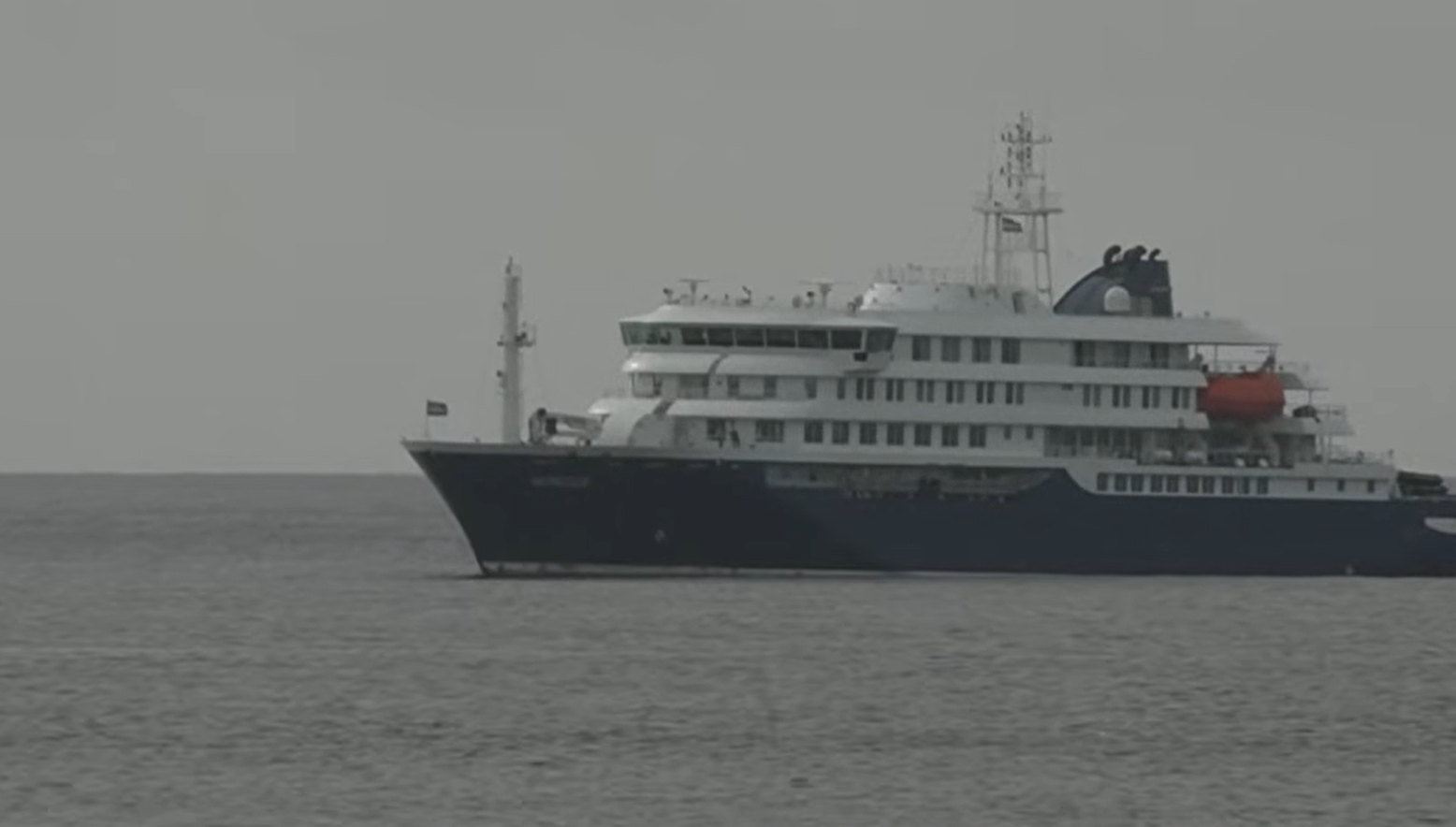
A luxury expedition cruise turned into a nightmare on the high seas as ahantavirus outbreakaboard the MV Hondius has triggered global outrage, with calls mounting to ban cruise ships entirely after claims the vessel continued sailing while passengers fell critically ill and bodies reportedly remained onboard for days.
What began as an elite Antarctic voyage has spiralled into a transcontinental health crisis, multiple deaths, and urgent questions aboutmaritime safety protocols.
The MV Hondiusdepartedsouthern Argentina on 1 April for a high-end expedition cruise costing thousands of dollars per passenger. Within days, the first signs of illness appeared when a 70-year-old Dutch passenger developed fever, headache, and gastrointestinal symptoms on 6 April.
By 11 April, he had died onboard after developing severe respiratory distress. According to the World Health Organization, the vessel was deep in the South Atlantic between remote island territories when the death occurred.
Despite the fatality, the ship reportedly continued its journey for nearly two weeks, passing through isolated waters before reaching St Helena. During this time, concerns have emerged that the body remained onboard for an extended period before disembarkation, raising serious questions about onboard containment and response procedures.
The crisis escalated when the deceased passenger's 69-year-old wife disembarked with his body on 24 April. However, she reportedly began showing symptoms during travel, collapsing later at an airport in South Africa and dying in hospital on 26 April.
Around the same time, a British passenger developed high fever and respiratory distress after the ship left St Helena and headed toward Ascension Island. He was evacuated but remains in intensive care.
A third fatality, a German woman, died on board on 2 May after showing symptoms consistent with pneumonia, which can be associated with hantavirus infection. Reports indicate her body also remained onboard as the vessel continued toward its next destination.
The outbreak has now expanded beyond the ship itself, with passengers testing positive for theAndes strain of hantavirus, a rare but often deadly rodent-borne virus. At least three confirmed deaths and several severe cases have been reported, with evacuations carried out in South Africa and other countries.
Authorities in Argentina, where the voyage originated, are now investigating possible sources of infection and tracking passenger movements across South America prior to boarding. The World Health Organization has warned of potential limited human-to-human transmission in rare cases.
Source: International Business Times UK
