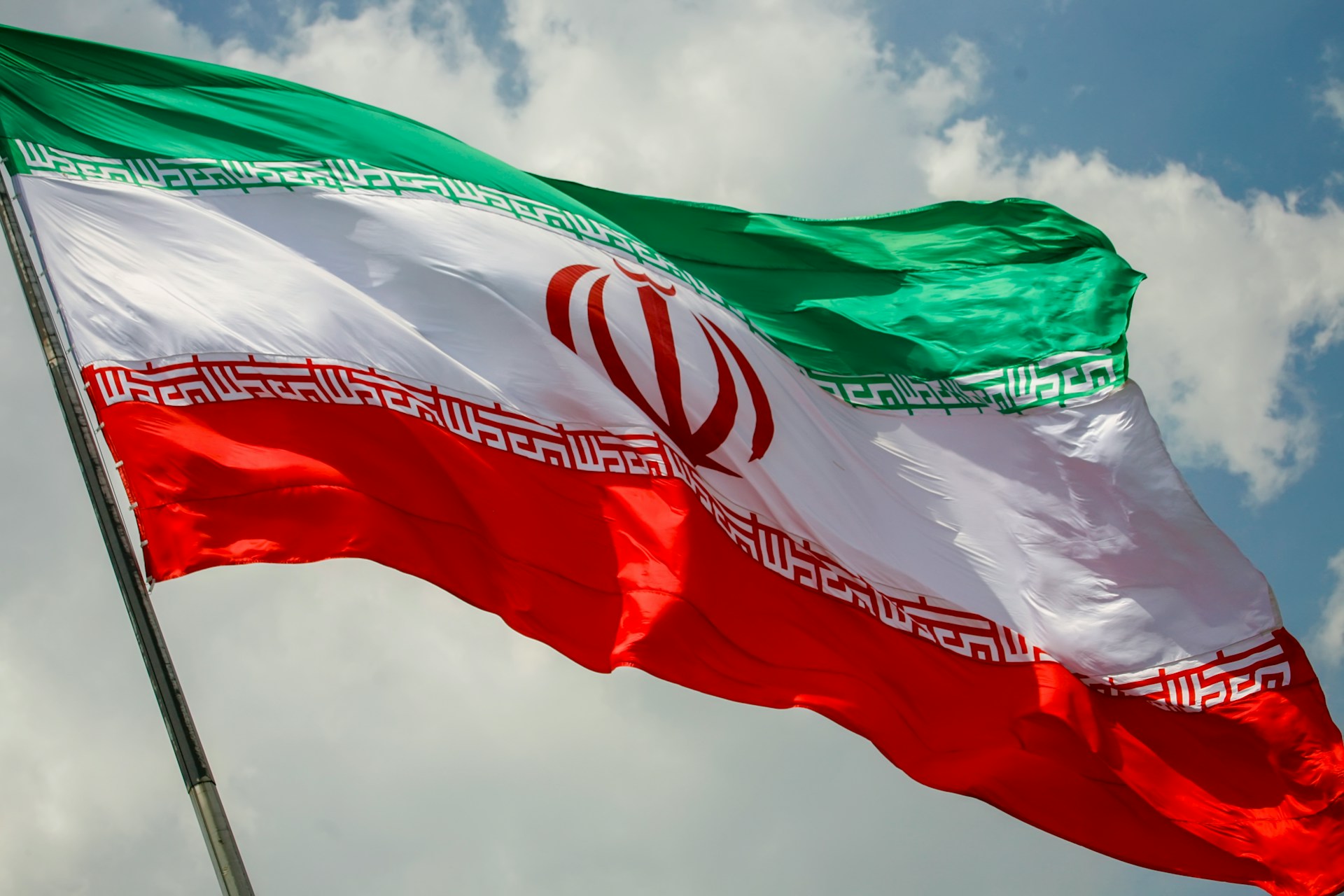
In a stark display of internal crackdown amid diplomatic overtures, Iranian authorities have intensified arrests of dissidents and online activists over the past week, even as Tehran signals optimism for renewed nuclear talks with the United States. Security forces detained at least 47 individuals suspected of anti-regime activities, including prominent bloggers and members of underground women's rights networks, according to human rights monitors. This surge coincides with public statements from Iranian Foreign Minister Abbas Araghchi expressing hope for "constructive engagement" with Washington, highlighting a dual-track approach of repression at home and rapprochement abroad.
The arrests, concentrated in Tehran and Isfahan, target figures accused of spreading "propaganda against the Islamic Republic" via social media platforms. State media reported that several detainees had shared content criticizing economic hardships and calling for greater freedoms, linking them to foreign-backed efforts to destabilize the government. Amnesty International condemned the moves as a "preemptive strike" against potential unrest, noting that many arrests lacked due process and involved forced confessions broadcast on national television. This escalation follows a pattern seen after the 2022 protests, where thousands were jailed in response to public outrage over morality police enforcement.
Despite the domestic clampdown, Iranian officials have struck a conciliatory tone toward the U.S., with President Masoud Pezeshkian reiterating in a state TV interview that Iran remains "open to diplomacy" on its nuclear program. Indirect talks mediated through Oman have reportedly progressed, with both sides agreeing to technical discussions on uranium enrichment limits in exchange for sanctions relief. Araghchi emphasized that Tehran's willingness to negotiate stems from a desire for economic recovery, as inflation soars above 40% and oil exports languish under lingering Trump-era restrictions.
Analysts view this juxtaposition as a calculated strategy by Iran's leadership: bolstering internal security to project strength while pursuing talks to alleviate economic pressures. "The regime is hedging its bets," said Karim Sadjadpour, a senior fellow at the Carnegie Endowment for International Peace. "Arrests deter domestic opposition that could undermine negotiators, ensuring any deal doesn't embolden reformers." Critics in the West, however, decry the hypocrisy, arguing that U.S. engagement legitimizes a government cracking down on its people, potentially echoing the flawed 2015 nuclear accord.
International reactions have been muted, with the European Union calling for the release of political prisoners while urging both Iran and the U.S. to seize the diplomatic window. In Washington, State Department spokespeople expressed cautious optimism but linked progress to verifiable steps on human rights. As talks loom, the arrests underscore the high stakes: Iran's dual messaging tests the limits of American patience and the resilience of its own suppressed civil society.
