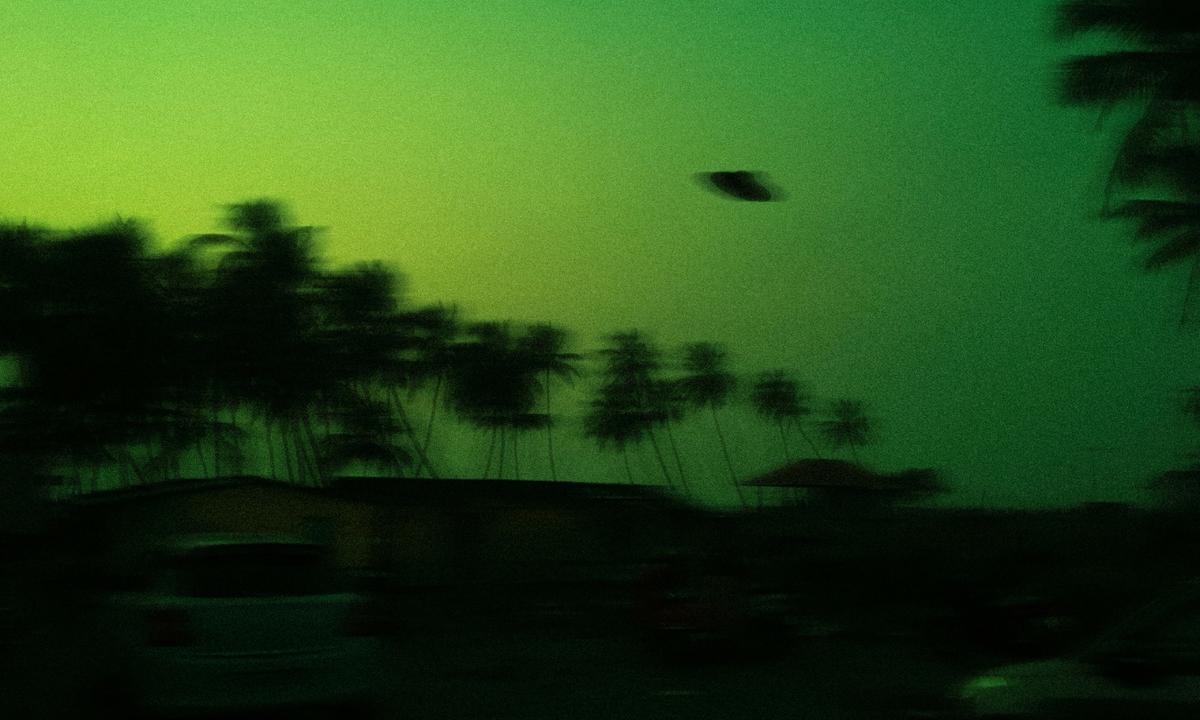
Public impatience is growing about when thegovernment will release its much-awaited UFO documents. The announcement, teased by US President Donald Trump has reignited debate over whether the files will contain evidence of extraterrestrial life or simply confirm decades of speculation.
Scientists and public figures, including former President Barack Obama and astrophysicist Neil deGrasse Tyson, have urged caution. Both argue that extraordinary claims require extraordinary proof, warning that expectations may outpace reality as the disclosure movement gathers momentum.
Former President Barack Obama has become an unexpected voice in the UFO debate after discussing public curiosity surrounding alien life during media appearances linked to the broader 'Disclosure Day' cultural moment.
In a sit-down with Stephen Colbert for CBS' 'The Late Show', Obama firmly dismissed claims that the government is hiding any legitimate evidence about alien life or ships from other worlds, as reported byThe Hollywood Reporter.
He even said that one of the things he learned as President of the US is that 'the government is terrible at keeping secrets.' He said that if aliens are real, the government would struggle to keep evidence of them secret for decades.
'This idea of conspiracy theories – if there were aliens or alien spaceships or anything under the control of the United States government that we knew about, seen, photographs, what have you … I promise you some guy guarding the installation would have taken a selfie with one of the aliens and sent it to his girlfriend to impress her. There would be leaks', he said.
His comments reflect a broader sceptical position shared by many scientists and intelligence officials.
Besides Obama,astrophysicist Neil deGrasse Tysonhas also grown sceptical and anticipates that the files on UFOs and unidentified anomalous phenomena (UAPs) 'will be anticlimactic', arguing that extraordinary claims require extraordinary evidence.
'The impending release of US government files on aliens and UFOs is a good thing, even if it feels like a distraction from other important files we've all been waiting to be disclosed. I expect the alien files will be anticlimactic', Tyson said in an op-ed published on Wednesday by The New York Times, as reported byThe Hill.
Tyson's central argument is simple: despite decades of rumours, no government has publicly presented verified alien technology or biological evidence. He has repeatedly challenged disclosure advocates to produce measurable scientific proof instead of relying on anecdotal accounts or blurry footage.
Source: International Business Times UK
