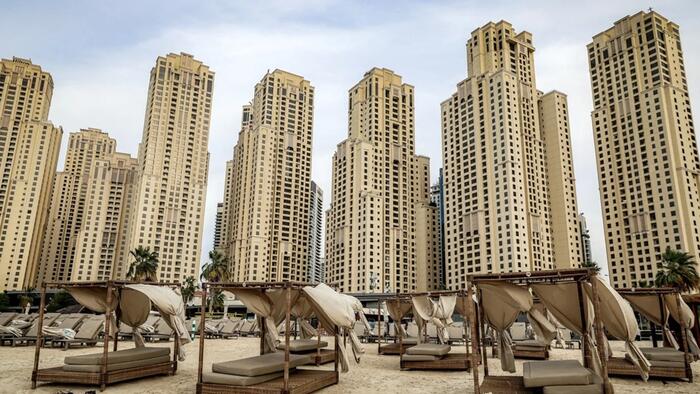
Dubai is facing an existential crisis with the US and Israeli war on Iran forcing tourism numbers to fall sharply, with widespread hotel closures and job losses decimating the global tourism hotspots' hospitality sector.
On Monday, Dubai Airportsreportedthatfirst-quarter passenger traffic was down by at least 2.5 million from the same period in 2025, with March seeing a 66 percent drop in passenger numbers as travelers chose to steer clear of the Gulf.
The company did not specify forecasts for this year but on Saturday, in a bid to kickstart tourism, the UAE announced that all air travel restrictions that were put in place after Iran launched retaliatory strikes on all six Gulf Cooperation Council (GCC) countries that house or cooperate closely with US forces had been lifted.
In a post on their official X account, the Civil Aviation Authoritywrote: "Our decision came following a comprehensive assessment of operational and security conditions, in coordination with the relevant authorities". The statement wasclearly meant to relay confidence to international travelers, especially after several European airlines announced that they would be suspending flightsto the Middle East.
Workers and business owners in Dubai, who spoke to the Middle East Eye on condition of anonymity due GCC-wide restrictions on public statements about the effects of Tehran’s attacks, say it will still take some time to see if the announcement will restore confidence among travelers and investors.
Charity, a Kenyan hotel worker said the mid-priced hotel she works at was definitely affected by the 1.4 million people who travelled through the UAE over the first two weeks of March. During the Muslim month of Ramadan, when Iranian missile and drone attacks were at their worst, the hotel, part of a US-based chain, was full of stranded passengers who would meet with Emirates Airlines representatives in the lobby.
During the month,the hotel's pool was closed to guests and by the final days, guests staying in the higher floors of the 20-floor building were moved to the lower floors as a precautionary measure. After that, though, she said "things really slowed down for a few weeks".
She said she hoped the announcement would provide some assurance to travelers. "We'll see over the next week if people really start to come back," she said while helping a long-time American traveler."We need your people [foreign tourists] to come back,"she added.
So far, even longtime passengers say there has been a noticeable shift in the mood at Dubai International, which has been the world’s busiest airport for international passenger traffic for 12 consecutive years.
Samina, a South Asian NGO worker who travels between South Asia, the Gulf and North America, said the change was particularly noticeable in her most recent trips over the two months.
Source: ZeroHedge News
