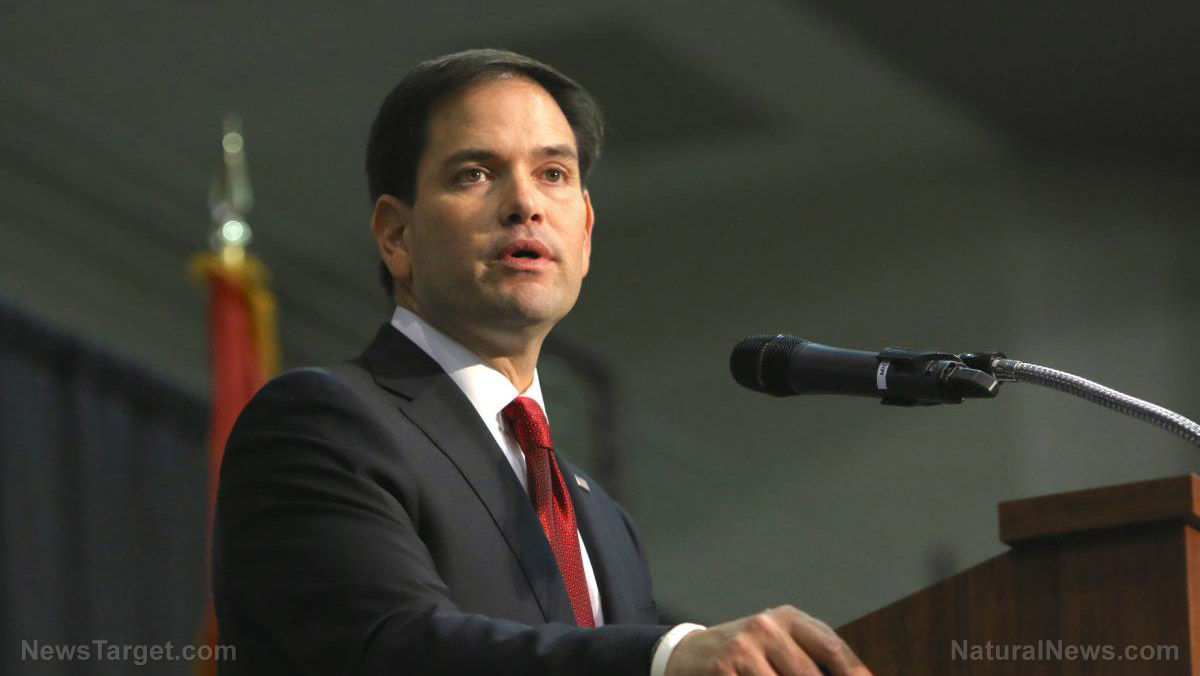
Marco Rubio denied any oil blockade on Cuba despite Trump openly claiming the island has no oil and no money under the embargo.Cubaâs tourism collapsed with only 20,000-25,000 leisure visitors in March versus 170,000-180,000 the previous year.Airlines from Canada, Spain, and Russia abandoned Cuba due to the blockade, leaving hotel workers jobless and desperate.Rubio is set to meet Pope Leo XIV on May 7 to discuss Cuba amid rising tensions with the Vatican.The U.S. oil blockade has pushed Cuba toward humanitarian disaster while Rubioâs testimony contradicts documented reality.
Cubaâs tourism collapsed with only 20,000-25,000 leisure visitors in March versus 170,000-180,000 the previous year.Airlines from Canada, Spain, and Russia abandoned Cuba due to the blockade, leaving hotel workers jobless and desperate.Rubio is set to meet Pope Leo XIV on May 7 to discuss Cuba amid rising tensions with the Vatican.The U.S. oil blockade has pushed Cuba toward humanitarian disaster while Rubioâs testimony contradicts documented reality.
Airlines from Canada, Spain, and Russia abandoned Cuba due to the blockade, leaving hotel workers jobless and desperate.Rubio is set to meet Pope Leo XIV on May 7 to discuss Cuba amid rising tensions with the Vatican.The U.S. oil blockade has pushed Cuba toward humanitarian disaster while Rubioâs testimony contradicts documented reality.
Rubio is set to meet Pope Leo XIV on May 7 to discuss Cuba amid rising tensions with the Vatican.The U.S. oil blockade has pushed Cuba toward humanitarian disaster while Rubioâs testimony contradicts documented reality.
The U.S. oil blockade has pushed Cuba toward humanitarian disaster while Rubioâs testimony contradicts documented reality.
Secretary of State Marco Rubio testified before a Senate Appropriations subcommittee on Tuesday and claimed there is "no oil blockade on Cuba" â despite President Donald Trump openly bragging that the island had "no oil," "no money," and "no anything" under the current U.S. embargo. The contradiction comes as Cuba's tourism industry collapses, airlines have pulled out, and food shortages grip the nation.The reality on the ground tells a far different story than Rubio's testimony. For months, the United States has aggressively targeted Cuba's fuel lifelines, threatening supply routes and using economic collapse as a regime-change tool. The pattern is a familiar one: manufacture a crisis, disclaim any responsibility for it, and point the finger elsewhere.Tourist numbers plummet under blockadeAccording to Cuba's statistics office, just 35,561 visitors arrived in March, with leisure tourists estimated at only 20,000 to 25,000. Compare that to March 2025, when the figure was approximately 170,000 to 180,000 visitors. Jim Hepple of Tourism Analytics confirmed these figures, noting the dramatic scale of the decline.In 2018, nearly 5 million tourists visited Cuba, making tourism one of the Cuban government's most important earners. Today, the estimated 300,000 people who work in tourism have become collateral damage in Washington's political war against the nearly seven-decade-old communist regime.Airlines abandon Cuba, workers sufferWithout access to fuel for refueling, airlines have been forced to abandon Cuba entirely, prompting package holiday operators from Canada, Spain and Russia to withdraw their services. As the last planes flew in February, vacationers wrote of hotel staff crying as they were waved off.One former hotel bartender who lost his work earlier this year spoke about the human cost. "What do I have for breakfast?" he asked. "What do I eat for lunch?"Yet some in the tourist industry still encourage visits. Katya Bleszynska, one of the authors of Lonely Planet's guide to Cuba, said: "I think it's an amazing time to come. There are really good local businesses and private hotels that really want your business. Just make sure you plan and manage your expectations."Rubio to meet pope as tensions riseRubio is expected to travel to Italy and the Vatican this week for a meeting with Pope Leo XIV, where Cuba is on the agenda. The visit would be the first meeting between the Chicago-born pontiff and a senior member of the Trump administration since the president sharply criticized the pope last month. The meeting is scheduled for May 7.State Department spokesperson Tommy Pigott confirmed that Rubio would meet with Holy See leadership to discuss the situation in the Middle East and "mutual interests in the Western Hemisphere." The Vatican has traditionally acted as a mediator with Cuba, a country Trump has mused about taking over. Pope Leo has expressed concerns about rising tensions between the Trump administration and Cuba.The White House is intent on pushing for economic and political reforms in Cuba and has instituted a de facto oil blockade that has brought the island to the brink of humanitarian disaster. In April, the Cuban government announced pardons for 2,010 detainees in what appeared to be a gesture aimed at the White House.The question Americans must ask is simple: When did refusing to acknowledge reality become official U.S. policy? Rubio's denial in the face of overwhelming evidence suggests the administration expects the public to accept contradictions that defy logic. But the Cuban people cannot eat government denials, and their suffering serves as a warning about what happens when political vendettas override humanitarian concerns.Sources for this article include:SputnikGlobe.comUSAToday.comTheGuardian.com
The reality on the ground tells a far different story than Rubio's testimony. For months, the United States has aggressively targeted Cuba's fuel lifelines, threatening supply routes and using economic collapse as a regime-change tool. The pattern is a familiar one: manufacture a crisis, disclaim any responsibility for it, and point the finger elsewhere.Tourist numbers plummet under blockadeAccording to Cuba's statistics office, just 35,561 visitors arrived in March, with leisure tourists estimated at only 20,000 to 25,000. Compare that to March 2025, when the figure was approximately 170,000 to 180,000 visitors. Jim Hepple of Tourism Analytics confirmed these figures, noting the dramatic scale of the decline.In 2018, nearly 5 million tourists visited Cuba, making tourism one of the Cuban government's most important earners. Today, the estimated 300,000 people who work in tourism have become collateral damage in Washington's political war against the nearly seven-decade-old communist regime.Airlines abandon Cuba, workers sufferWithout access to fuel for refueling, airlines have been forced to abandon Cuba entirely, prompting package holiday operators from Canada, Spain and Russia to withdraw their services. As the last planes flew in February, vacationers wrote of hotel staff crying as they were waved off.One former hotel bartender who lost his work earlier this year spoke about the human cost. "What do I have for breakfast?" he asked. "What do I eat for lunch?"Yet some in the tourist industry still encourage visits. Katya Bleszynska, one of the authors of Lonely Planet's guide to Cuba, said: "I think it's an amazing time to come. There are really good local businesses and private hotels that really want your business. Just make sure you plan and manage your expectations."Rubio to meet pope as tensions riseRubio is expected to travel to Italy and the Vatican this week for a meeting with Pope Leo XIV, where Cuba is on the agenda. The visit would be the first meeting between the Chicago-born pontiff and a senior member of the Trump administration since the president sharply criticized the pope last month. The meeting is scheduled for May 7.State Department spokesperson Tommy Pigott confirmed that Rubio would meet with Holy See leadership to discuss the situation in the Middle East and "mutual interests in the Western Hemisphere." The Vatican has traditionally acted as a mediator with Cuba, a country Trump has mused about taking over. Pope Leo has expressed concerns about rising tensions between the Trump administration and Cuba.The White House is intent on pushing for economic and political reforms in Cuba and has instituted a de facto oil blockade that has brought the island to the brink of humanitarian disaster. In April, the Cuban government announced pardons for 2,010 detainees in what appeared to be a gesture aimed at the White House.The question Americans must ask is simple: When did refusing to acknowledge reality become official U.S. policy? Rubio's denial in the face of overwhelming evidence suggests the administration expects the public to accept contradictions that defy logic. But the Cuban people cannot eat government denials, and their suffering serves as a warning about what happens when political vendettas override humanitarian concerns.Sources for this article include:SputnikGlobe.comUSAToday.comTheGuardian.com
The reality on the ground tells a far different story than Rubio's testimony. For months, the United States has aggressively targeted Cuba's fuel lifelines, threatening supply routes and using economic collapse as a regime-change tool. The pattern is a familiar one: manufacture a crisis, disclaim any responsibility for it, and point the finger elsewhere.Tourist numbers plummet under blockadeAccording to Cuba's statistics office, just 35,561 visitors arrived in March, with leisure tourists estimated at only 20,000 to 25,000. Compare that to March 2025, when the figure was approximately 170,000 to 180,000 visitors. Jim Hepple of Tourism Analytics confirmed these figures, noting the dramatic scale of the decline.In 2018, nearly 5 million tourists visited Cuba, making tourism one of the Cuban government's most important earners. Today, the estimated 300,000 people who work in tourism have become collateral damage in Washington's political war against the nearly seven-decade-old communist regime.Airlines abandon Cuba, workers sufferWithout access to fuel for refueling, airlines have been forced to abandon Cuba entirely, prompting package holiday operators from Canada, Spain and Russia to withdraw their services. As the last planes flew in February, vacationers wrote of hotel staff crying as they were waved off.One former hotel bartender who lost his work earlier this year spoke about the human cost. "What do I have for breakfast?" he asked. "What do I eat for lunch?"Yet some in the tourist industry still encourage visits. Katya Bleszynska, one of the authors of Lonely Planet's guide to Cuba, said: "I think it's an amazing time to come. There are really good local businesses and private hotels that really want your business. Just make sure you plan and manage your expectations."Rubio to meet pope as tensions riseRubio is expected to travel to Italy and the Vatican this week for a meeting with Pope Leo XIV, where Cuba is on the agenda. The visit would be the first meeting between the Chicago-born pontiff and a senior member of the Trump administration since the president sharply criticized the pope last month. The meeting is scheduled for May 7.State Department spokesperson Tommy Pigott confirmed that Rubio would meet with Holy See leadership to discuss the situation in the Middle East and "mutual interests in the Western Hemisphere." The Vatican has traditionally acted as a mediator with Cuba, a country Trump has mused about taking over. Pope Leo has expressed concerns about rising tensions between the Trump administration and Cuba.The White House is intent on pushing for economic and political reforms in Cuba and has instituted a de facto oil blockade that has brought the island to the brink of humanitarian disaster. In April, the Cuban government announced pardons for 2,010 detainees in what appeared to be a gesture aimed at the White House.The question Americans must ask is simple: When did refusing to acknowledge reality become official U.S. policy? Rubio's denial in the face of overwhelming evidence suggests the administration expects the public to accept contradictions that defy logic. But the Cuban people cannot eat government denials, and their suffering serves as a warning about what happens when political vendettas override humanitarian concerns.Sources for this article include:SputnikGlobe.comUSAToday.comTheGuardian.com
Tourist numbers plummet under blockadeAccording to Cuba's statistics office, just 35,561 visitors arrived in March, with leisure tourists estimated at only 20,000 to 25,000. Compare that to March 2025, when the figure was approximately 170,000 to 180,000 visitors. Jim Hepple of Tourism Analytics confirmed these figures, noting the dramatic scale of the decline.In 2018, nearly 5 million tourists visited Cuba, making tourism one of the Cuban government's most important earners. Today, the estimated 300,000 people who work in tourism have become collateral damage in Washington's political war against the nearly seven-decade-old communist regime.Airlines abandon Cuba, workers sufferWithout access to fuel for refueling, airlines have been forced to abandon Cuba entirely, prompting package holiday operators from Canada, Spain and Russia to withdraw their services. As the last planes flew in February, vacationers wrote of hotel staff crying as they were waved off.One former hotel bartender who lost his work earlier this year spoke about the human cost. "What do I have for breakfast?" he asked. "What do I eat for lunch?"Yet some in the tourist industry still encourage visits. Katya Bleszynska, one of the authors of Lonely Planet's guide to Cuba, said: "I think it's an amazing time to come. There are really good local businesses and private hotels that really want your business. Just make sure you plan and manage your expectations."Rubio to meet pope as tensions riseRubio is expected to travel to Italy and the Vatican this week for a meeting with Pope Leo XIV, where Cuba is on the agenda. The visit would be the first meeting between the Chicago-born pontiff and a senior member of the Trump administration since the president sharply criticized the pope last month. The meeting is scheduled for May 7.State Department spokesperson Tommy Pigott confirmed that Rubio would meet with Holy See leadership to discuss the situation in the Middle East and "mutual interests in the Western Hemisphere." The Vatican has traditionally acted as a mediator with Cuba, a country Trump has mused about taking over. Pope Leo has expressed concerns about rising tensions between the Trump administration and Cuba.The White House is intent on pushing for economic and political reforms in Cuba and has instituted a de facto oil blockade that has brought the island to the brink of humanitarian disaster. In April, the Cuban government announced pardons for 2,010 detainees in what appeared to be a gesture aimed at the White House.The question Americans must ask is simple: When did refusing to acknowledge reality become official U.S. policy? Rubio's denial in the face of overwhelming evidence suggests the administration expects the public to accept contradictions that defy logic. But the Cuban people cannot eat government denials, and their suffering serves as a warning about what happens when political vendettas override humanitarian concerns.Sources for this article include:SputnikGlobe.comUSAToday.comTheGuardian.com
According to Cuba's statistics office, just 35,561 visitors arrived in March, with leisure tourists estimated at only 20,000 to 25,000. Compare that to March 2025, when the figure was approximately 170,000 to 180,000 visitors. Jim Hepple of Tourism Analytics confirmed these figures, noting the dramatic scale of the decline.In 2018, nearly 5 million tourists visited Cuba, making tourism one of the Cuban government's most important earners. Today, the estimated 300,000 people who work in tourism have become collateral damage in Washington's political war against the nearly seven-decade-old communist regime.Airlines abandon Cuba, workers sufferWithout access to fuel for refueling, airlines have been forced to abandon Cuba entirely, prompting package holiday operators from Canada, Spain and Russia to withdraw their services. As the last planes flew in February, vacationers wrote of hotel staff crying as they were waved off.One former hotel bartender who lost his work earlier this year spoke about the human cost. "What do I have for breakfast?" he asked. "What do I eat for lunch?"Yet some in the tourist industry still encourage visits. Katya Bleszynska, one of the authors of Lonely Planet's guide to Cuba, said: "I think it's an amazing time to come. There are really good local businesses and private hotels that really want your business. Just make sure you plan and manage your expectations."Rubio to meet pope as tensions riseRubio is expected to travel to Italy and the Vatican this week for a meeting with Pope Leo XIV, where Cuba is on the agenda. The visit would be the first meeting between the Chicago-born pontiff and a senior member of the Trump administration since the president sharply criticized the pope last month. The meeting is scheduled for May 7.State Department spokesperson Tommy Pigott confirmed that Rubio would meet with Holy See leadership to discuss the situation in the Middle East and "mutual interests in the Western Hemisphere." The Vatican has traditionally acted as a mediator with Cuba, a country Trump has mused about taking over. Pope Leo has expressed concerns about rising tensions between the Trump administration and Cuba.The White House is intent on pushing for economic and political reforms in Cuba and has instituted a de facto oil blockade that has brought the island to the brink of humanitarian disaster. In April, the Cuban government announced pardons for 2,010 detainees in what appeared to be a gesture aimed at the White House.The question Americans must ask is simple: When did refusing to acknowledge reality become official U.S. policy? Rubio's denial in the face of overwhelming evidence suggests the administration expects the public to accept contradictions that defy logic. But the Cuban people cannot eat government denials, and their suffering serves as a warning about what happens when political vendettas override humanitarian concerns.Sources for this article include:SputnikGlobe.comUSAToday.comTheGuardian.com
Source: NaturalNews.com
