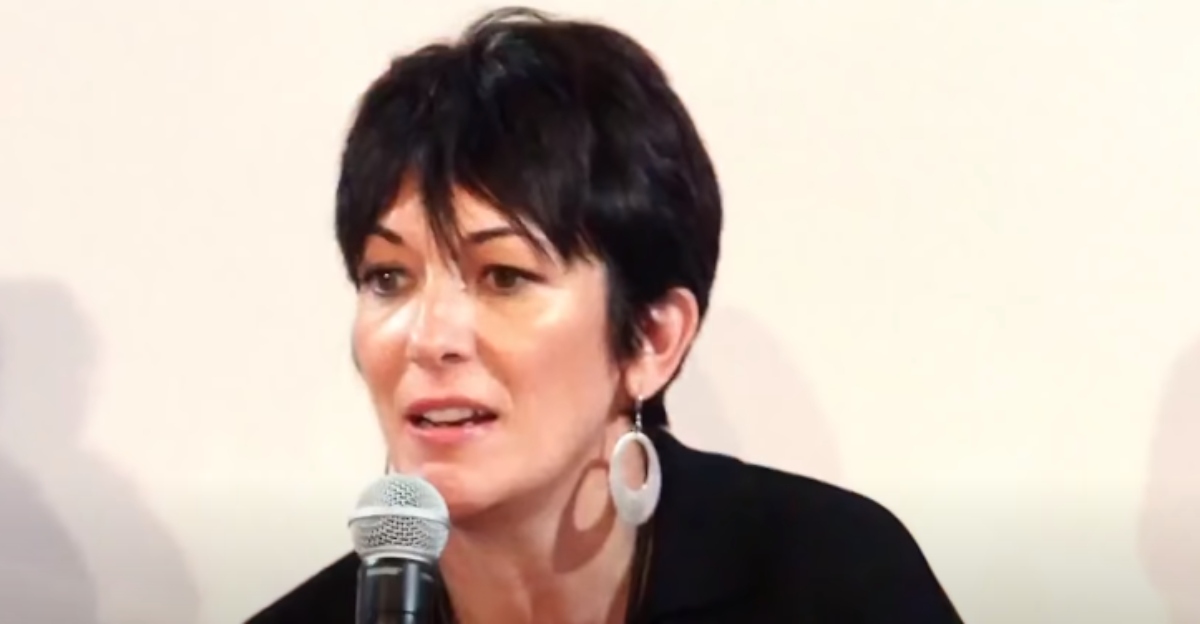
Ghislaine Maxwell, the British socialite convicted of recruiting underage girls for Jeffrey Epstein's sex-trafficking ring, invoked her Fifth Amendment rights more than 100 times during a closed-door deposition before a House subcommittee this week, frustrating lawmakers probing the late financier's web of powerful connections. The session, conducted virtually from a federal prison in Florida where Maxwell is serving a 20-year sentence, marked a rare opportunity for Congress to question one of the few surviving key figures in the Epstein saga. Committee members expressed dismay at her refusal to address queries ranging from Epstein's rumored intelligence ties to the identities of high-profile clients who allegedly partook in the abuse.
The deposition stemmed from a bipartisan House Judiciary subcommittee investigation into Epstein's operations, which lawmakers say extended far beyond sex crimes into potential blackmail schemes implicating politicians, billionaires, and foreign agents. Maxwell, who avoided answering even basic questions about her own role, cited her ongoing appeals and fear of self-incrimination. Sources familiar with the proceedings revealed that Republican Rep. Jim Jordan pressed her on Epstein's infamous "black book" and flight logs from his private jet, the Lolita Express, while Democrats like Rep. Jamie Raskin sought details on unprosecuted enablers. Her silence echoed her strategy during the 2021 trial, where she similarly dodged implicating others.
Epstein's 2019 death in a Manhattan jail cell—officially ruled a suicide—sparked widespread conspiracy theories about a cover-up to protect the elite. Maxwell's conviction provided some closure, but the lack of charges against other associates has fueled demands for transparency. The House probe gained urgency after recent document releases named figures like Bill Clinton and Prince Andrew, though none have been criminally implicated. Lawmakers on both sides argue that Maxwell's non-cooperation hinders accountability, with Jordan accusing her of "hiding behind the Fifth to shield the powerful."
Legal experts view Maxwell's tactic as a calculated move to preserve appeals grounds, but it has intensified calls for legislative action. Proposals under discussion include subpoenaing Epstein's full client list from federal vaults and reforming statutes of limitations for sex trafficking. Public reaction, amplified on social media, splits along partisan lines: conservatives decry "deep state" protectionism, while progressives demand broader scrutiny of wealth and influence. As the subcommittee prepares a report, Maxwell's stonewalling underscores the enduring opacity of Epstein's empire, leaving victims and the public awaiting elusive justice.
Maxwell's attorneys issued a brief statement post-deposition, affirming her right to remain silent amid "politically motivated" inquiries. The full transcript, expected to be released soon, could reignite the culture war over elite impunity, testing whether Congress can pierce the veil of secrecy that has long shrouded this scandal.