(© Antonioguillem - stock.adobe.com)
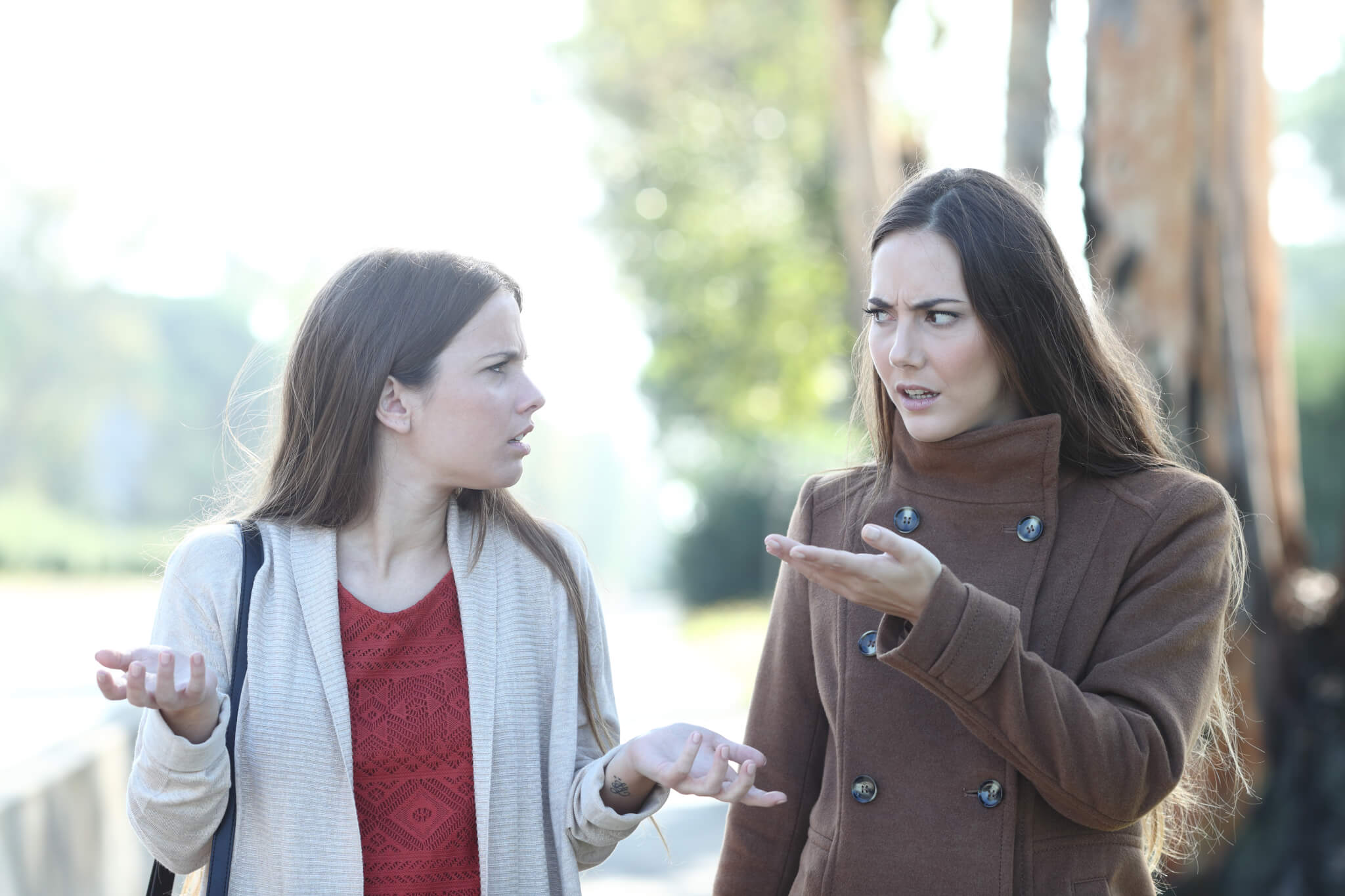
Friendships have ended over it. Family dinners have gotten awkward and stayed that way. For a growing number of Americans, politics hasn’t just created tension; it has cost them relationships entirely.
A large-scale study published inPNAS Nexusfound that 37 percent of Americans reported losing a relationship with a friend, family member, romantic partner, or coworker because ofpolitical differences. That’s roughly four in ten adults who say politics actually ended a relationship. A clear pattern also emerged in who’s doing the splitting: Democrats were more likely than Republicans to report having lost a relationship over politics, and among those who had a breakup in one survey, Democrats were more likely to say they initiated the split.
“Given the role of exposure to opposing views in buildingpolitical tolerance, these ‘political breakups’ are a troubling sign for the health of a democracy,” the researchers wrote. “And given the importance of relationships for well-being, they have implications for the health of citizens as well.”
Psychologists Mertcan Güngör and Peter H. Ditto, both from the University of California, Irvine, drew on four separate datasets with a combined 3,791 participants, supplemented by data from the American National Election Studies. Their most recent dataset came from a nationally representative sample of 1,000 U.S. adults surveyed through YouGov in April 2025.
Among those who reported apolitical breakup, 62 percent said they’d lost a friend, 40 percent a family member, 29 percent a coworker, and 10 percent a romantic partner. More than half said they’d lost more than one type of relationship.
Friendshipsmay be especially at risk. Close enough that political disagreements tend to come up, but without the structural glue of shared finances, children, or decades-long bonds that hold romantic and family relationships together, friendships have fewer reasons to survive a serious political rift.
In the YouGov survey, about 46 percent of Democrats reported a political breakup, compared with roughly 29 percent of Republicans and 39 percent of Independents. Even after accounting for partisan strength and demographic differences, Democrats were still more likely to report having lost a relationship.
In a separate survey of about 950 adults conducted through Prolific the day before the 2024 presidential election, the researchers examined how these splits unfold. Among those who’d had a political breakup, 48 percent said they were the one who ended the relationship, while only 27 percent said the other person did. Twenty percent described it as mutual.
AmongDemocratsspecifically, 66 percent of those who’d experienced a breakup said they were the ones who walked away, compared with just 27 percent of Republicans. Both parties tended to describe the person they split from as sitting at the extreme end of the political spectrum.
Source: Drudge Report