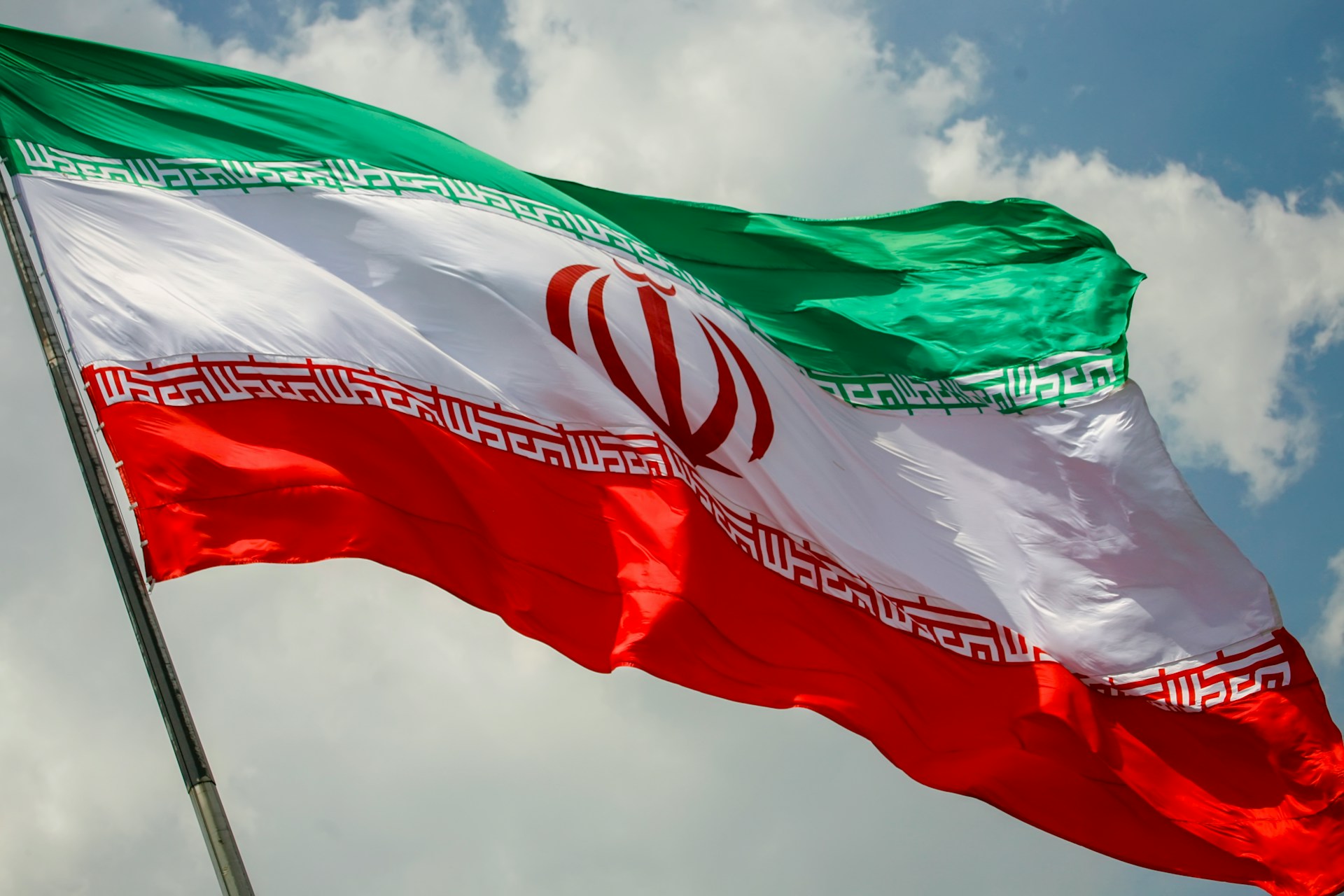
In a potential breakthrough amid stalled nuclear talks, Iran's atomic energy chief announced that the country is prepared to dilute its stockpile of highly enriched uranium if Western sanctions are fully lifted. Mohammad Eslami, head of the Atomic Energy Organization of Iran (AEOI), made the offer during a televised interview, signaling Tehran's willingness to de-escalate its nuclear activities in exchange for economic relief. The statement comes as Iran possesses enough near-weapons-grade material—enriched to 60% purity—to theoretically produce several nuclear bombs if further processed, according to International Atomic Energy Agency (IAEA) assessments.
Eslami specified that dilution would reduce the uranium's enrichment levels to below 5%, aligning with civilian nuclear fuel standards and reversing steps Iran took after the U.S. withdrawal from the 2015 Joint Comprehensive Plan of Action (JCPOA) in 2018. Under the original deal, Iran limited enrichment to 3.67% and capped its stockpile at 300 kilograms. Since then, Tehran has ramped up production at facilities like Fordow and Natanz, amassing over 5,500 kilograms of enriched uranium by late 2025, per IAEA reports. The proposal hinges on the complete removal of sanctions imposed by the U.S., European Union, and United Nations, which have crippled Iran's oil exports and access to global banking.
The offer arrives against a backdrop of renewed diplomatic efforts, including indirect U.S.-Iran talks in Oman earlier this year. European mediators have pushed for a "smaller deal" to freeze Iran's program while broader negotiations continue, but Tehran insists on sanctions relief first. Israeli officials, long skeptical of Iran's intentions, dismissed the announcement as a tactical ploy, with Prime Minister Benjamin Netanyahu's office stating it fails to address IAEA concerns over undeclared nuclear sites and traces of uranium at military facilities.
U.S. State Department spokesperson Matthew Miller responded cautiously, noting that any deal must include robust verification and Iran's return to JCPOA limits. Analysts view the dilution offer as a pragmatic move by Tehran, facing domestic economic pressures and regional isolation after supporting proxy groups in Yemen, Lebanon, and Gaza. However, skeptics argue it buys time for Iran to advance centrifuge technology, potentially enabling faster breakout to weapons-grade material in the future.
As global powers weigh the proposal, the stakes remain high. A successful dilution could pave the way for phased sanctions relief and stabilize oil markets, but failure risks escalation, including potential Israeli strikes on Iranian facilities. With Iran's presidential elections looming and U.S. midterm pressures mounting, the window for diplomacy may be narrowing, underscoring the fragile balance between concession and confrontation in the nuclear standoff.
