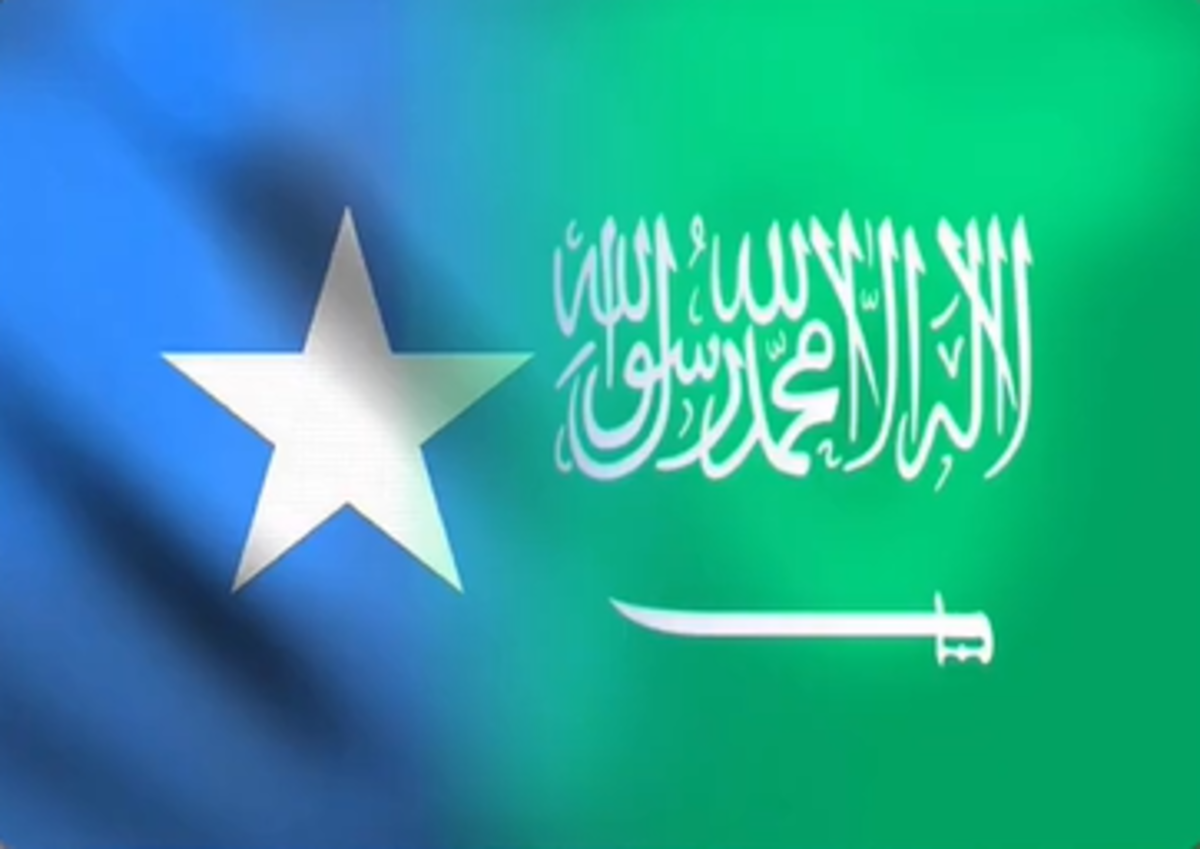
In a significant development reshaping alliances in the Horn of Africa, Somalia and Saudi Arabia formalized a comprehensive defence agreement on Monday, pledging mutual military cooperation amid rising regional tensions. The pact, signed in Mogadishu by Somali Defence Minister Abdulkadir Mohamed Nur and Saudi Ambassador to Somalia Abdullah Al-Khudair, commits Riyadh to providing training, equipment, and intelligence support to bolster Somalia's fight against al-Shabaab insurgents. Officials described it as a "strategic partnership" aimed at enhancing maritime security in the Red Sea and Gulf of Aden, critical chokepoints for global trade.
The agreement comes at a pivotal moment for Somalia, which has grappled with decades of instability following the 1991 civil war. Al-Shabaab, the al-Qaeda affiliate, continues to launch deadly attacks despite African Union and U.S. backing for Mogadishu's forces. Saudi Arabia, seeking to counter Iranian influence and secure its southern flanks, has ramped up investments in the region. This deal builds on existing economic ties, including remittances from over a million Somali expatriates in the kingdom and Saudi aid exceeding $100 million annually for humanitarian efforts.
Details of the accord remain partially classified, but sources familiar with the negotiations reveal provisions for joint naval exercises, establishment of a Saudi-funded military academy in Baidoa, and technology transfers for drone surveillance. Somalia's government hailed the move as a step toward self-reliance, reducing dependence on waning Western support. President Hassan Sheikh Mohamud emphasized during the signing ceremony that the partnership aligns with Somalia's sovereignty and pan-Islamic solidarity, subtly distancing it from Gulf rivals like Qatar and Turkey, which have backed competing factions in the past.
Regional analysts view the pact through the lens of broader geopolitical rivalries. Saudi Arabia's deepening footprint in the Horn follows similar deals with Ethiopia and Sudan, potentially encircling Yemen's Houthi rebels, who have disrupted shipping lanes with drone and missile strikes. Critics in Mogadishu worry about over-reliance on Gulf patrons, echoing concerns from Eritrea and Egypt over Saudi basing rights. Meanwhile, the U.S. State Department welcomed the agreement as a "positive contribution" to counter-terrorism, though it stopped short of endorsing all terms.
Economically, the deal could unlock billions in Saudi investment, including port upgrades at Berbera and Bossaso to facilitate trade. Yet, questions linger about implementation amid Somalia's federal fractures, where semi-autonomous states like Puntland have pursued independent foreign policies. As the ink dries, this alliance signals a realignment in East Africa, where Gulf money increasingly fills voids left by fatigued superpowers, promising stability but risking new proxy entanglements.