On Friday night in America, millions of people did the same small, irrational thing.
They checked their pockets, smoothed a flimsy pink-and-white ticket between their fingers, and glanced – just once more – at the row of numbers that, in their more hopeful moments, they had allowed to stand in for a new kitchen, cleared debts, a different life. Then the balls dropped, the numbers were read out, and reality reasserted itself.
The Mega Millions draw on Friday 13 February produced the kind of result that keeps lottery operators happy and players vaguely irritated: arollover.
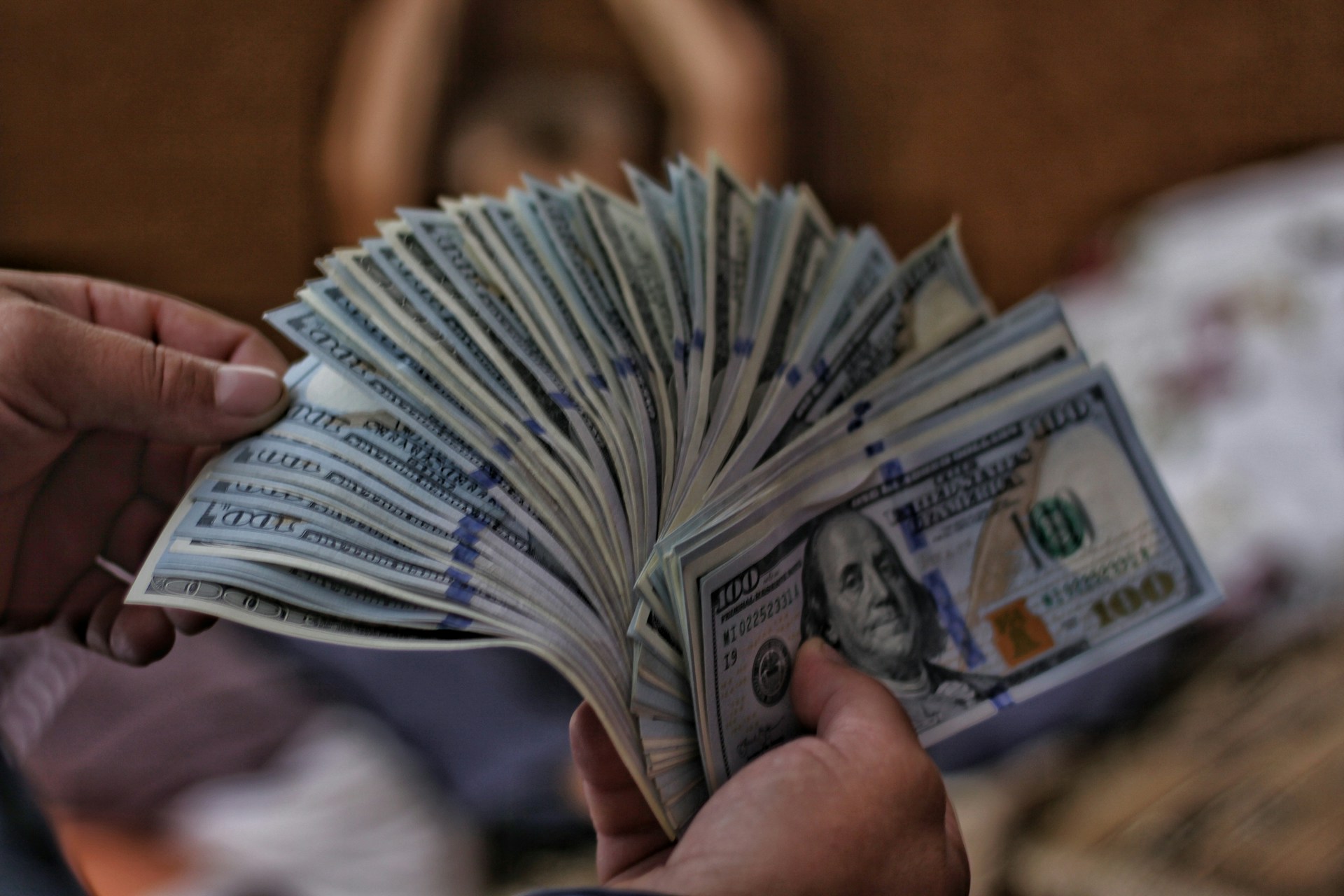
The winning numbers were 34, 40, 49, 59 and 68, with 1 as the gold Mega Ball. Hitting all six would have landed someone a jackpot advertised at $385 million – or $174.2 million if they opted for the lump-sum cash payout. No ticket, anywhere across the 45 participating US states, Washington DC or the US Virgin Islands, matched the full combination.
For the majority of players, of course, this will not be news. The odds of doing what nobody managed on Friday are a cool 1 in 302 million, depending on which state materials you read;Michigan's lottery puts it at 1 in 290,472,336. You are, statistically, more likely to be struck by lightning twice.
Still, the lack of a winner has immediate consequences for the size of the fantasy being sold. The next Mega Millions drawing – scheduled for Tuesday 17 February at 11 p.m. Eastern (10.12 p.m. Central) – will now be worth at least $395 million, with a cash option nudged up to around $183.3 million. If that also rolls, the prize pot edges towards the $400 million threshold that tends to generate breathless national coverage.
For now, though, Friday's decisive fact is painfully simple: no one hit the jackpot.
Friday's draw fell, deliciously or ominously depending on your temperament, on a Friday the 13th. That alone was enough to set off a round of content about "lucky" and "unlucky" numbers – the kind of thing that sits somewhere between entertainment and self-deception.
A fresh analysis by betting site VegasInsider trawled through every Mega Millions draw since 2010 and came up with a leaderboard of most frequently pulled numbers. Top of the pile was 10, which has appeared 224 times. That was followed by 11 (222 appearances), 3 (214), 14 (203) and 4 (202). At the other end of the scale, number 72 had shuffled out of the machine only 20 times in more than a decade; 71 had surfaced 22 times, 75 just 25.
You can already picture the logic some players will wrap around that data. For the magical thinkers, the "hot" numbers surely have momentum. For the contrarians, the "cold" ones must be "due". The official line from Mega Millions staff – and from any statistician not trying to sell you something – is considerably more boring: every draw is random, and past results do not affect future outcomes.
Source: International Business Times UK
