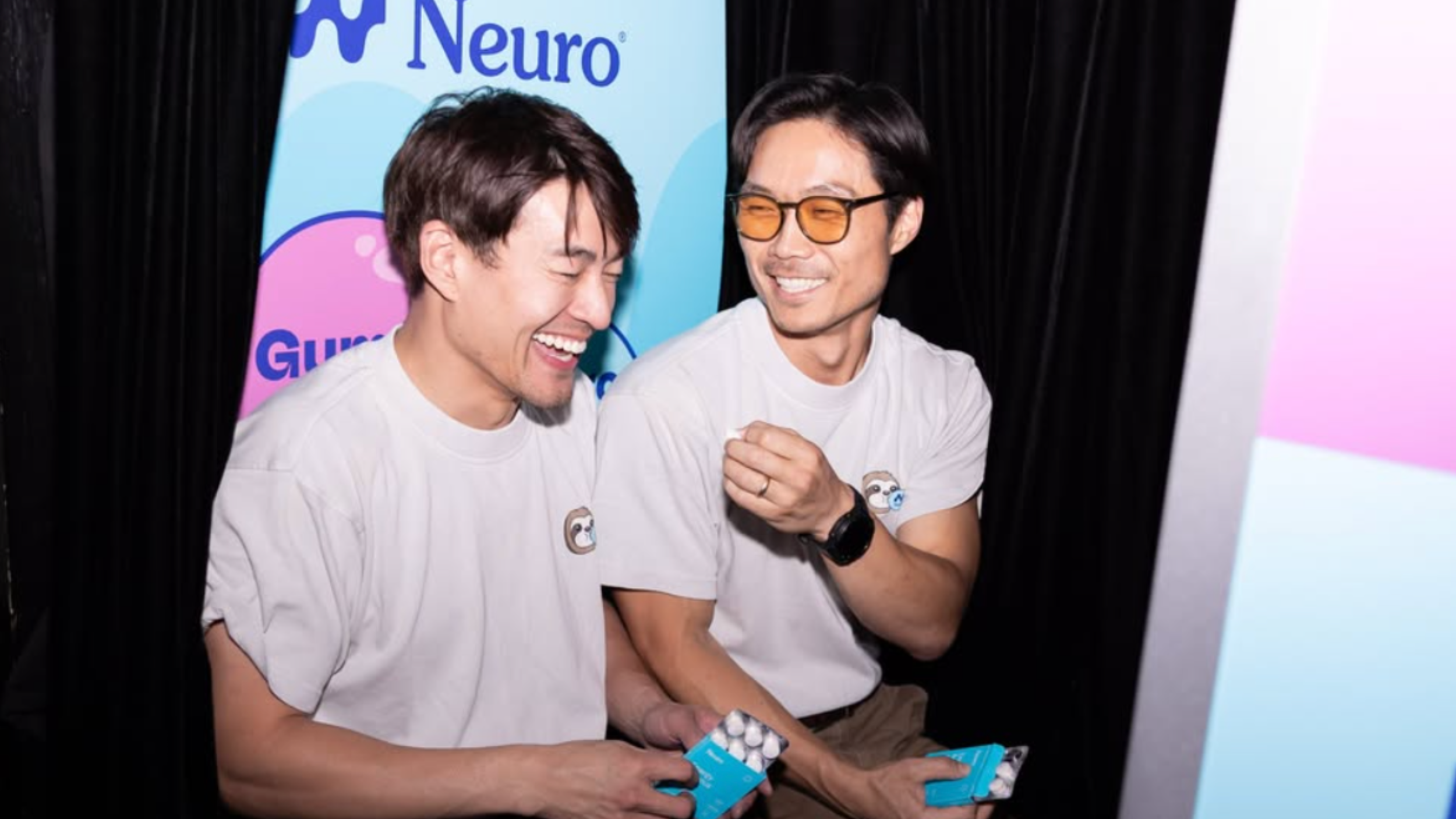
Kent Yoshimura and Ryan Chen walked away from $1 million (£790,000) on national television in 2020. Robert Herjavec wanted 20 per cent of theirnootropic gumcompany for it. They refused. Had they accepted, they would have priced the entire business at $5 million (£3.95 million).
Six years on, their brand Neuro has generated $135 million (£107 million) in cumulative sales and is now stocked in more than 20,000 stores across the United States, including CVS, Walmart and Whole Foods Market. The founders confirmed both figures during an update segment on Shark Tank Season 17, which aired on 11 March 2026,Shark Tank Blogconfirmed.
Daniel Lubetzky, the Kind Bar founder who sat as a guest Shark that night and declined to invest, is now a partner in the company.
A post shared by Neuro (@neurogum)
Yoshimura and Chen appeared on Season 11, Episode 19 seeking $750,000 (£593,000) for 5 per cent equity, implying a $15 million (£11.9 million) valuation. Annual revenue at the time was $3.5 million (£2.8 million). The unit economics were already favourable. Each piece of gum cost roughly $0.67 (£0.53) to produce and sold at $3.99 (£3.15), putting gross margins above 80 per cent.
Herjavec's initial bid of $1 million (£790,000) for 20 per cent was later adjusted to 14 per cent. Kevin O'Leary pitched $750,000 (£593,000) for 5 per cent, with a $0.50-per-unit royalty until he recouped $1 million (£790,000). The founders declined both, saying they could not accept a valuation that low given their commitments to existing backers. Mark Cuban had already bowed out over discomfort with the supplement's health claims, Shark Tank Blog noted in its Season 11 recap.
Orders surged more than 700 per cent after the episode aired. Retailers that had previously ignored their outreach began placing calls.
A trademark lawsuit in the following years nearly shut the business down. The founders turned to Lubetzky, who brokered a settlement. His involvement deepened. In 2026, he formally joined as a partner, making Neuro the first company in the show's history to return after walking away from a deal and secure a new partnership on a second appearance, the company said onits website.
A post shared by Daniel Lubetzky (@daniellubetzky)
Yoshimura and Chen each set aside $20,000 (£15,800) from their day jobs to fund the venture - $40,000 (£31,600) in total. Yoshimura was working as a muralist for the city of Los Angeles. Chen was a data analyst at Hulu. Both were competitive athletes. Yoshimura trained with the Japanese Olympic judo team. Chen competed with the US Paralympic wheelchair racing team after a snowboarding accident at 19 left him paralysed from the waist down, the podcastSide Hustle Schoolnoted. Chen also cashed out his entire 401(k) to help bankroll the venture,Founderoonoted separately.
Source: International Business Times UK