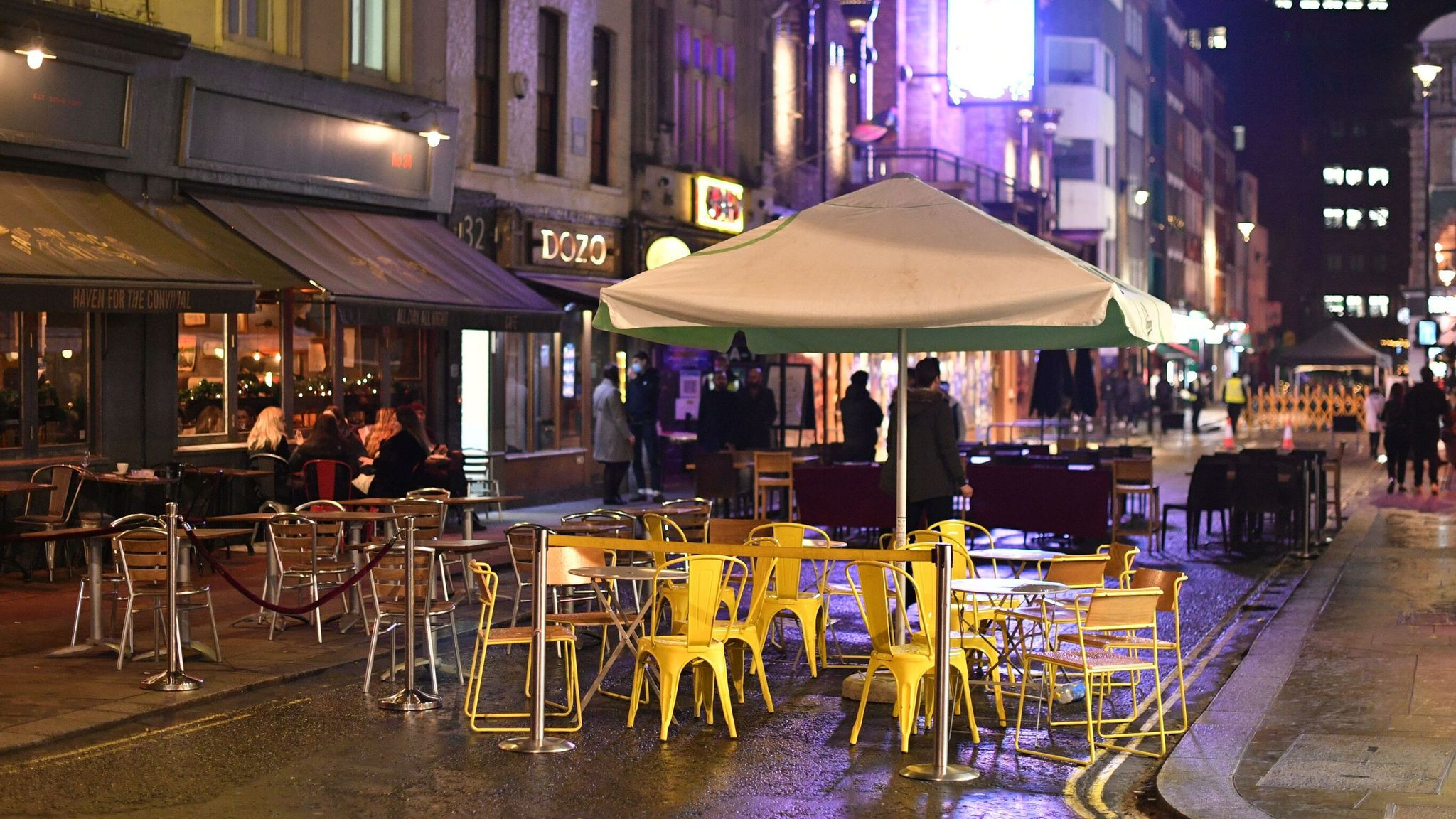
A new report from The Guardian explores whether British nightlife is in decline, drawing on the views of residents and industry experts. The findings suggest a sector under strain and signal that responsibility does not rest solely with nightclubs themselves.
'Under a Huge Amount of Economic Pressure'
A major industry professional has delivered a warning about the clubbing industry.
Kill says there is a 'huge void between licensing and planning departments' within local councils, who hand out licences to venues to perform late-night activities on the one hand and give permission for new-build blocks on the other, which 'tends to create that clash between development of residential space and cultural spaces.'
Earlier this year,an NHS surveyfound that one in four adults in England don't drink alcohol, with the West Midlands (where Birmingham is located) and London having the highest proportions of non-drinkers, according to The Guardian.
Perhaps this was to be expected. The nightlife sector in the UK has declined massively in recent years.More than a quarterof all late-night venues across the UK shut their doors for good between 2020 and 2025,according to the Night Time Industries Association (NTIA)– and the 'second city' has been hit particularly hard. Birmingham experienced a 28% drop in the number of bars, clubs and other establishments to grab a late-night drink in over the same period, the largest decline of any major UK city, according to The Guardian.
A few UK residents out in Birmingham on a Saturday delivered their verdict on whether clubbing in England is dying.
Kyrie, 40, is visiting from the Isle of Wight. 'I don't think the nightlife is dying up here,' she says. 'It's my first time visiting and I've had a fantastic time.'
However, not everyone is that optimistic.
'Nobody's going out,' says Puggy Roberts, 57, who has just left one gig and is on his way to another. 'It's a vicious cycle. If you don't go out, you don't get the venues.' The lack of good venues isn't the only problem, according to his companion, Jen Ashford-Mowbray, 58. 'The ticket prices end up being higher if fewer people go out,' she says. 'We need more people going out to keep the prices down,' they said to the Guardian.
Source: International Business Times UK
